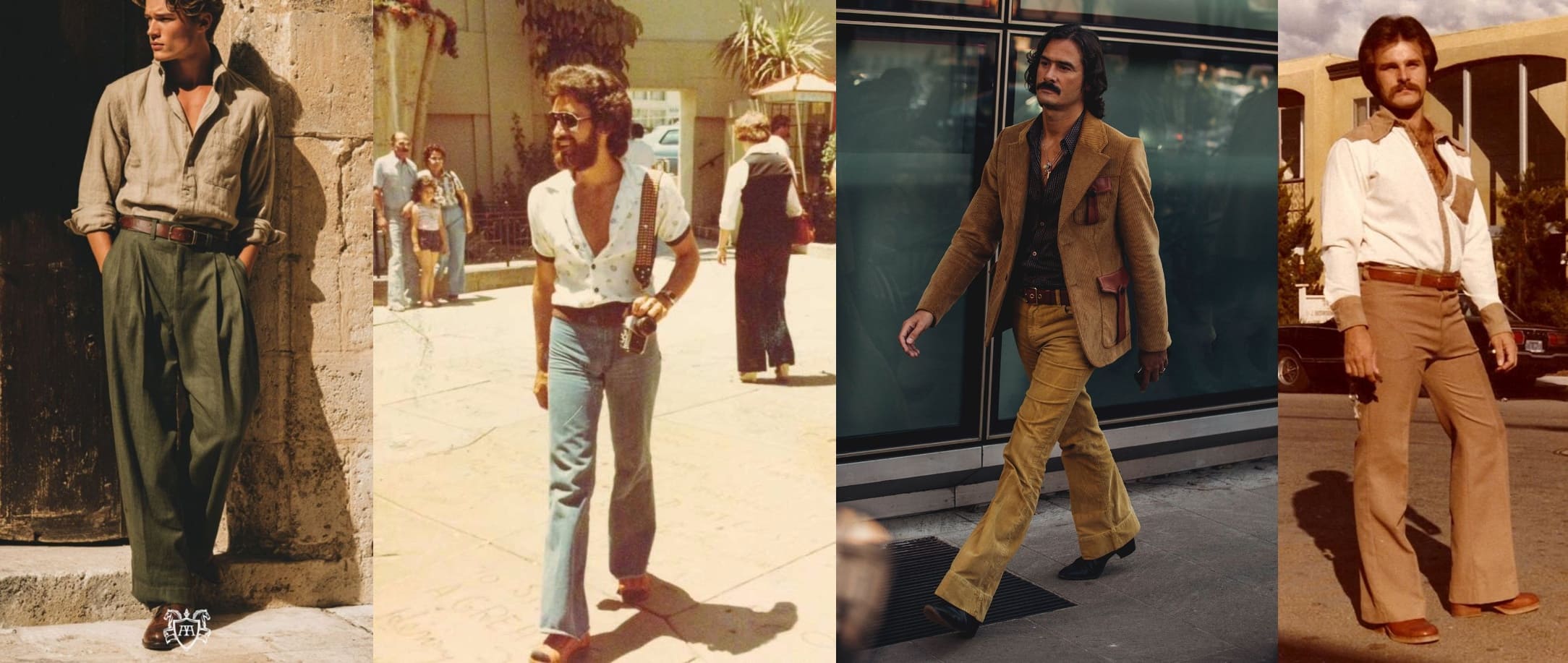
When people think about 70s men’s fashion, the first images that usually come to mind are flared trousers, wide collars and disco dance floors. While those stereotypes are part of the story, they don’t tell the whole truth. The 1970s were one of the most influential decades in menswear and many of the ideas introduced during that period still shape how men dress today.
Modern menswear has borrowed heavily from the decade, refining its excesses and keeping what worked. From relaxed tailoring to expressive casualwear, the influence of the 70s fashion is far more present than most men realise.
Understanding where these styles came from makes it easier to wear their modern versions with confidence.
What Defined 70s Men’s Fashion
At its core, 70s men fashion was about freedom. After decades of rigid dress codes, men began experimenting with silhouette, colour and personal expression. Clothing became less uniform and more individual.
Mens 70s fashion embraced wider fits, softer tailoring and bolder styling choices. Jackets were looser, trousers sat higher on the waist and shirts became a focal point rather than a background layer. This shift laid the groundwork for today’s relaxed approach to menswear.
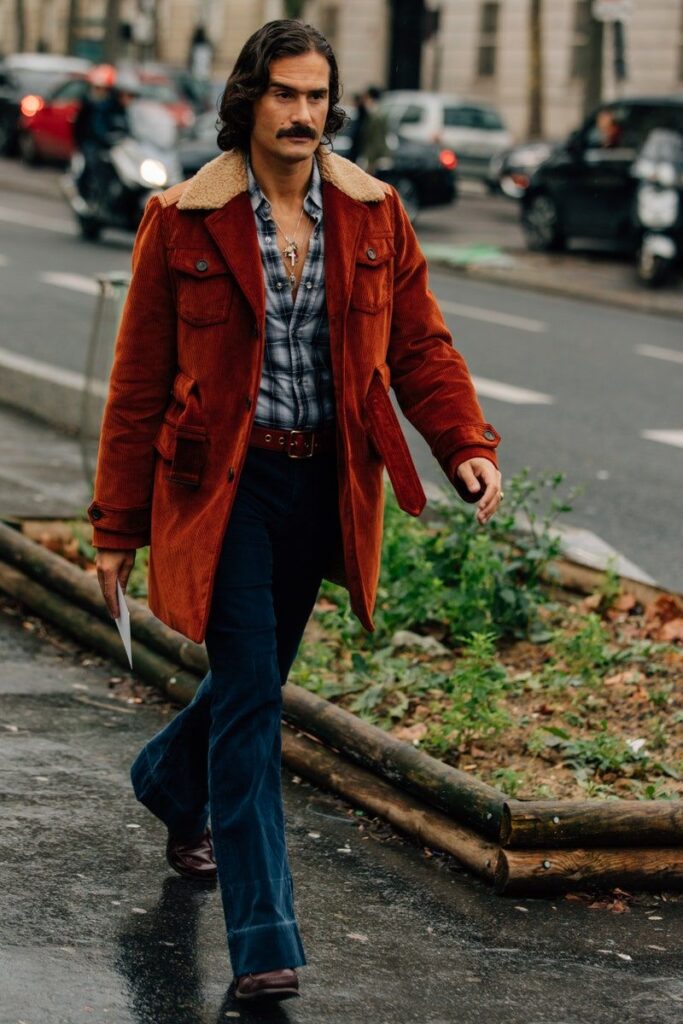
What defined 70s men’s fashion was not perfection but authenticity. Style during the decade was rooted in real life rather than strict fashion rules.
What to look for:
Authentic archival-inspired style rather than trend-led dressing
Everyday men as style references, not just runway models
A natural mix of casual pieces and relaxed tailoring
This balance between smart and casual laid the foundation for how men dress today.
Casual 70s Mens Fashion and the Rise of Relaxed Style
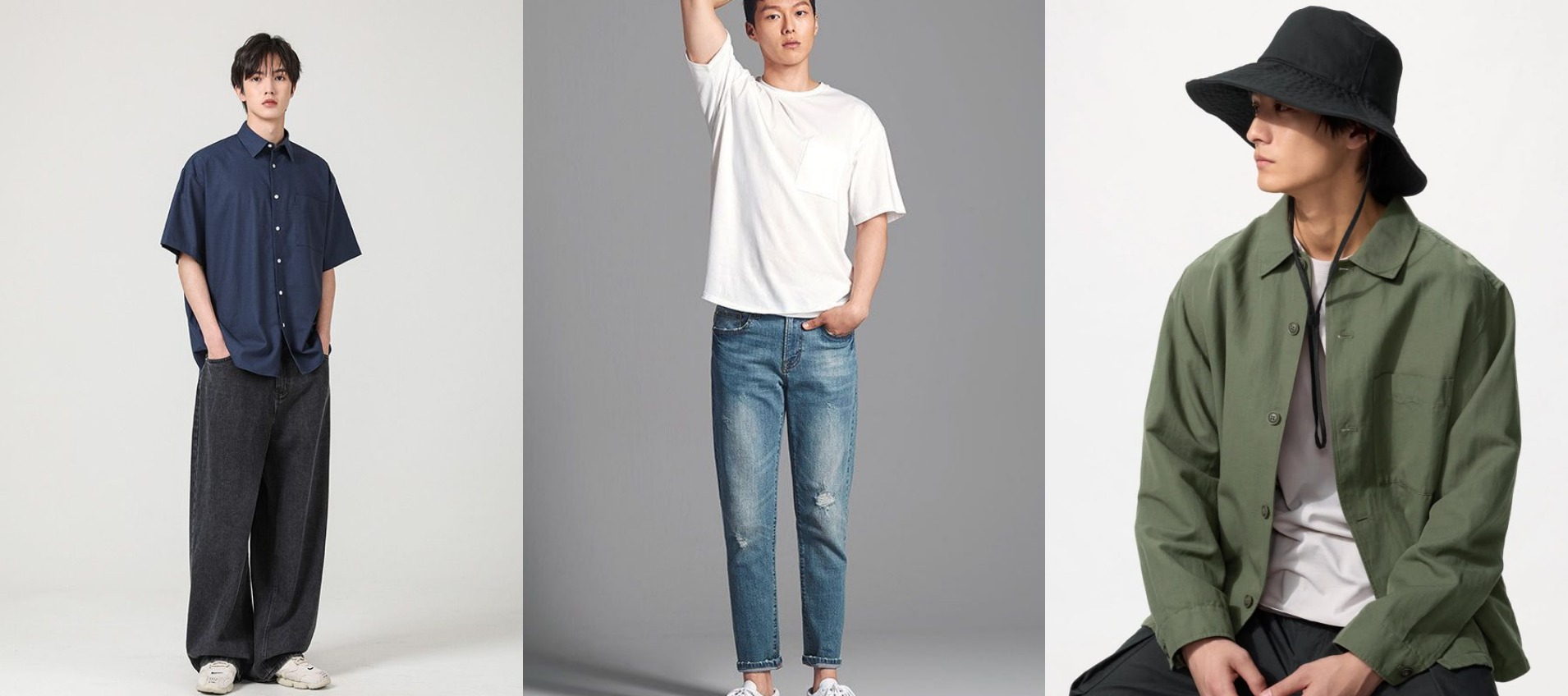
Casual 70s mens fashion marked a turning point in how men dressed outside of work. Denim became mainstream rather than rebellious, knitwear replaced stiff layers and everyday outfits gained personality.
This era introduced the idea that casual clothing could still look intentional. Well-fitted jeans, simple T-shirts, suede jackets and relaxed shirts became staples. Today’s casual wardrobes owe a lot to this shift.
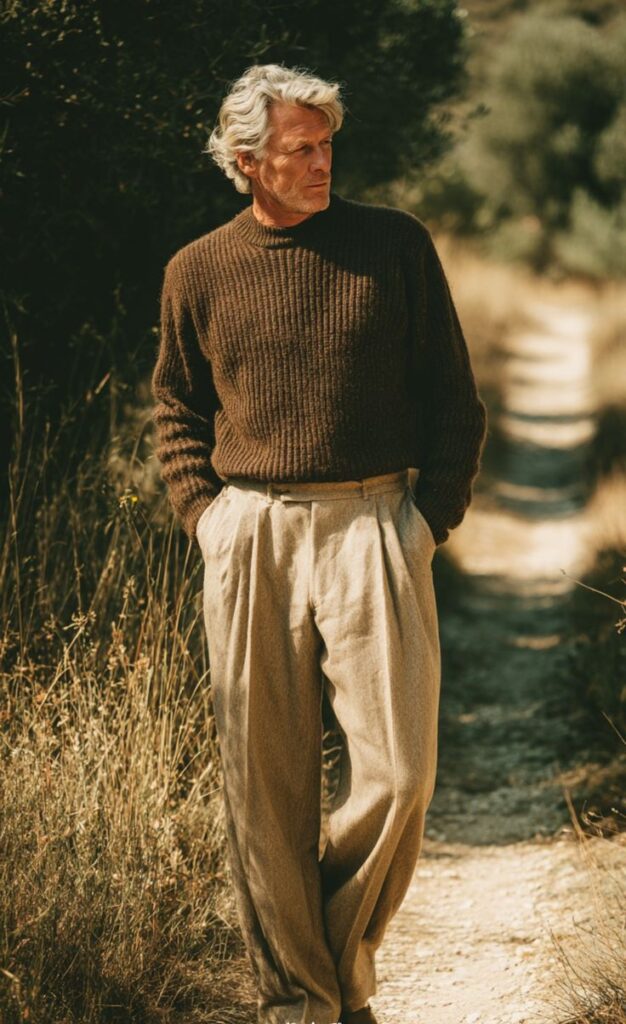
What to look for:
Denim paired with knitwear or casual jackets
Natural fits that feel comfortable rather than structured
Lived-in textures that add character instead of polish
This approach reshaped everyday menswear and still influences casual outfits today.
Tailoring in 1970 Mens Fashion
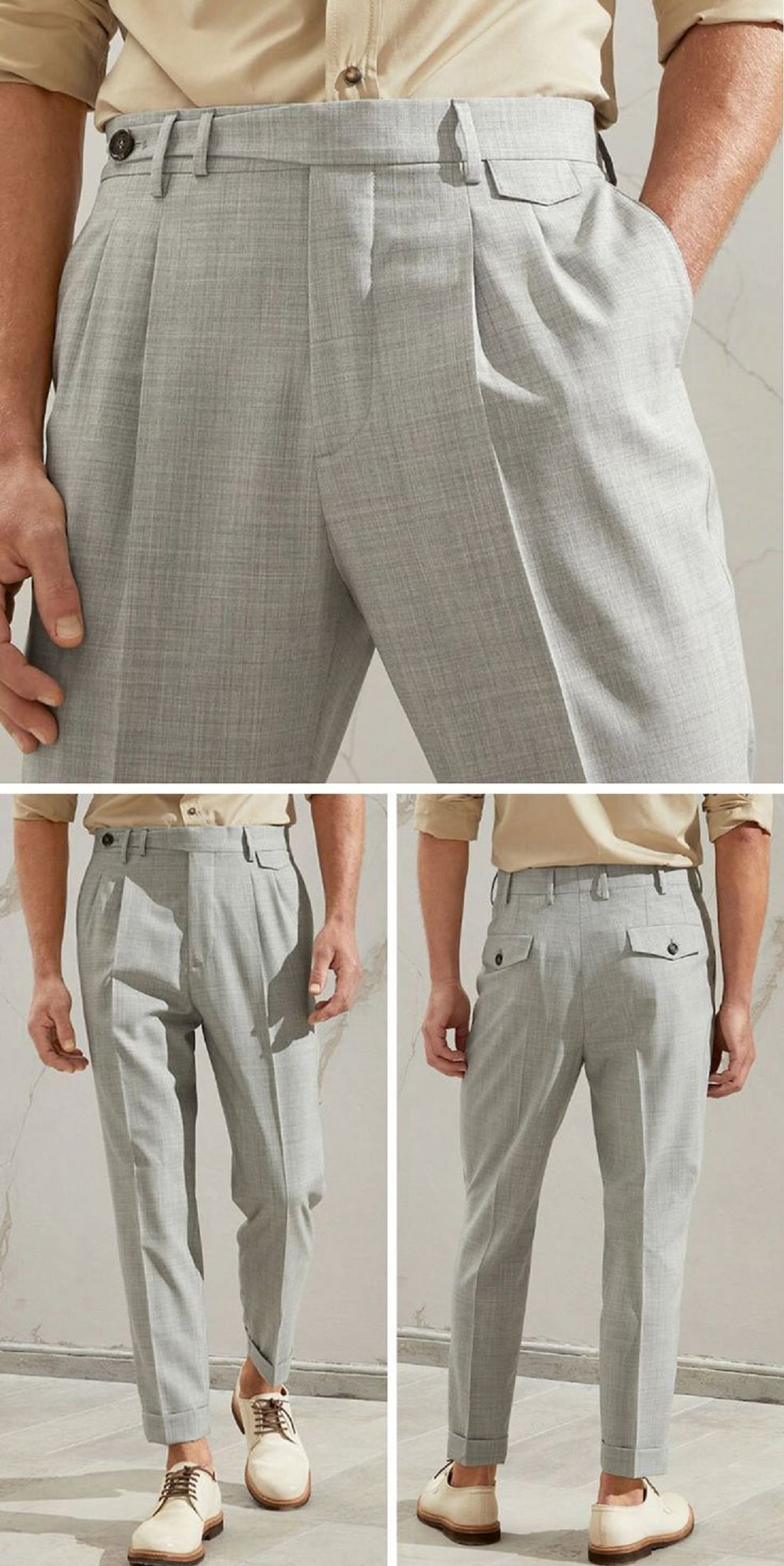
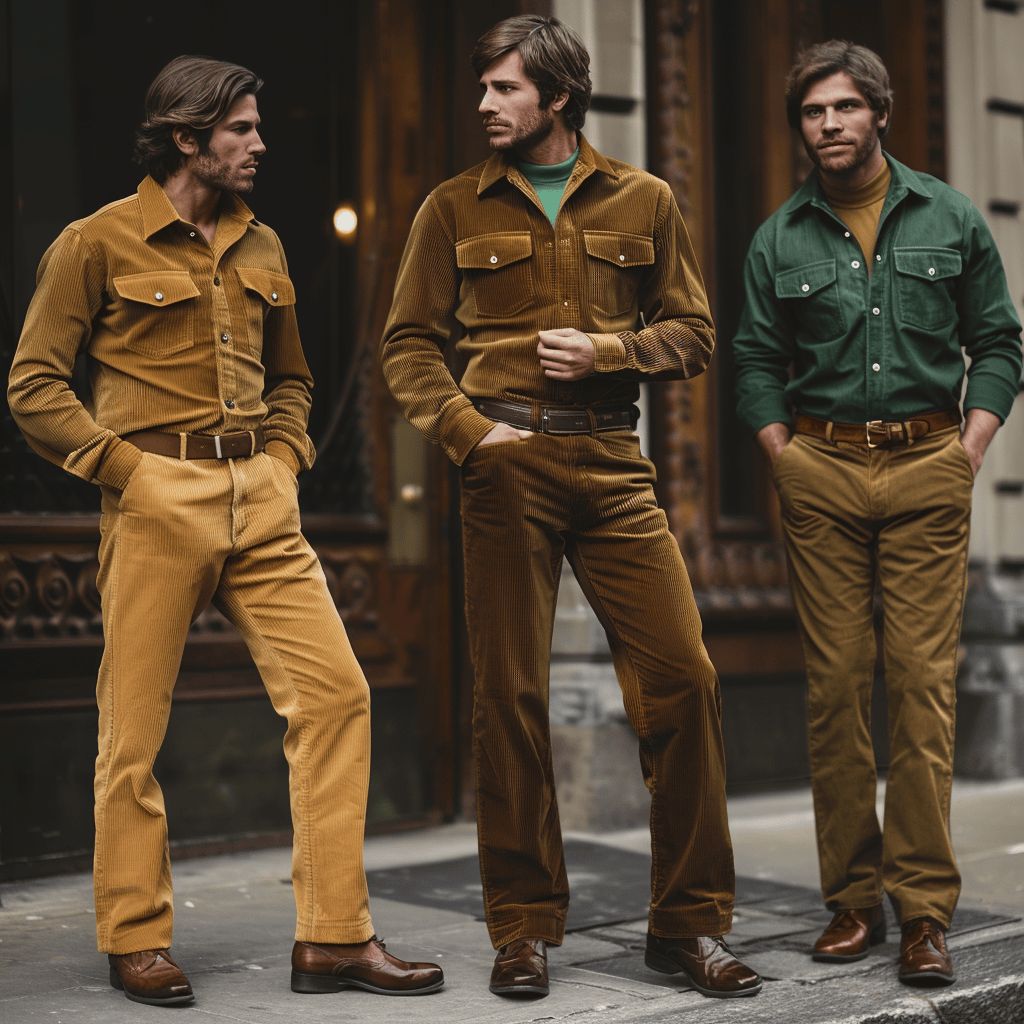
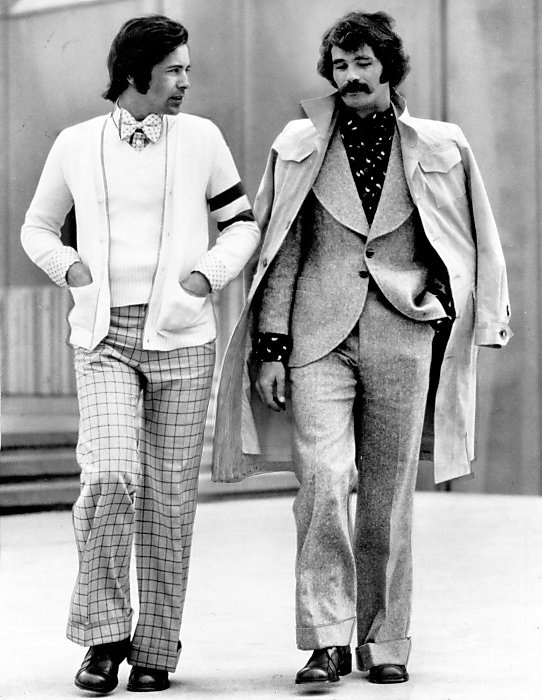
Tailoring did not disappear in 1970 mens fashion, but it changed dramatically. Suits became softer, jackets lengthened slightly and trousers widened. Structure gave way to movement.
This evolution is visible in modern tailoring. Contemporary suits often feature softer shoulders, wider lapels and relaxed cuts that trace their origins back to the 70s and 80s Men Fashion. Even casual tailoring like unstructured blazers reflects this influence.
What to look for:
Wider lapels and relaxed jacket shapes
Trousers with room through the leg
Softer construction that prioritises comfort
Many modern tailoring trends are refined versions of these ideas.
Disco Mens Fashion 70s and Cultural Impact
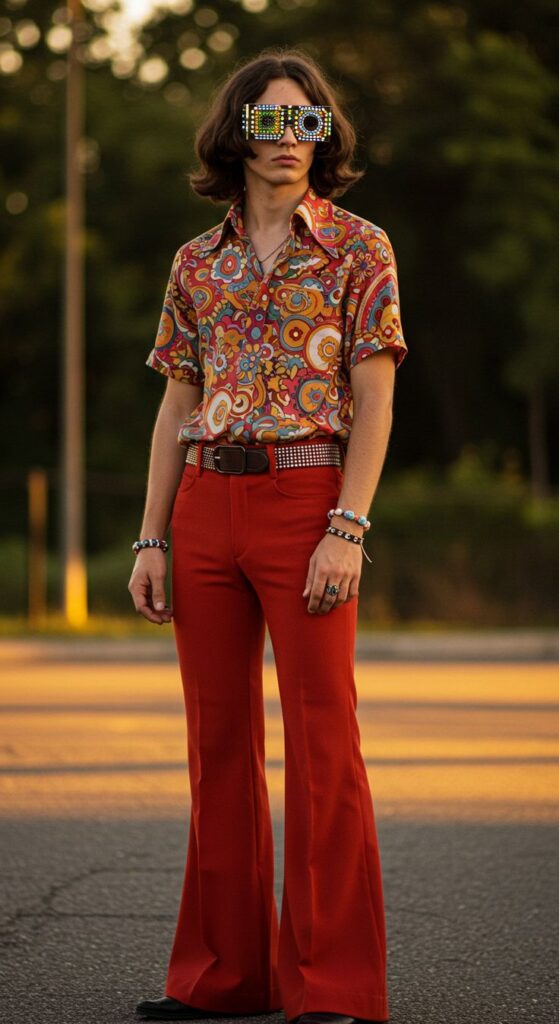
Disco mens fashion 70s is often exaggerated, but its influence is undeniable. Music, nightlife and social change encouraged men to dress more boldly and confidently.
Shirts became expressive, fabrics gained sheen and silhouettes were designed to move. While most men today won’t dress head-to-toe in disco-inspired outfits, the idea of clothing as self-expression remains.
Modern equivalents can be seen in statement shirts, textured fabrics and confident colour choices. The lesson from disco style is not imitation, but attitude.
What to look for:
Statement shirts with texture or subtle sheen
Outfits designed for movement rather than stiffness
A confident attitude that prioritises self-expression
The influence lives on through modern statement pieces rather than full looks.
70s Summer Fashion Men Still Wear Today
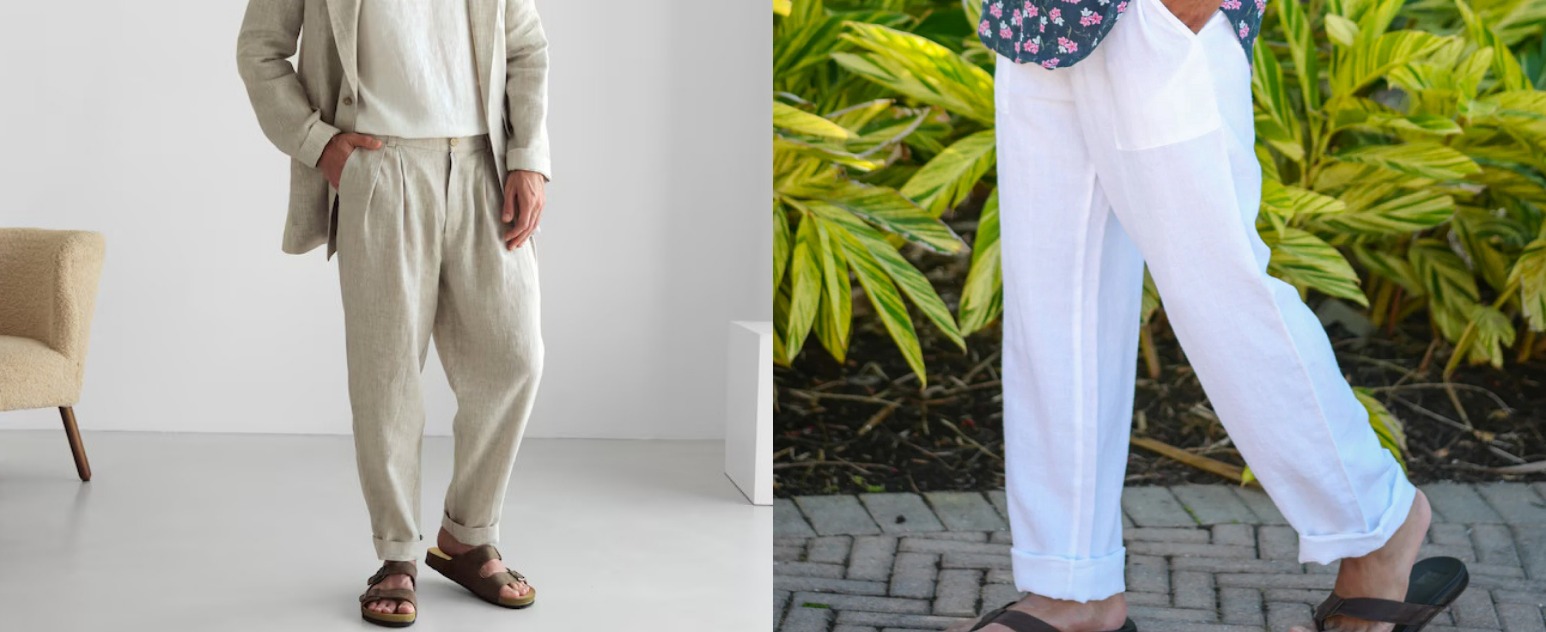
Warm-weather dressing was another area where the decade left a lasting mark. 70s summer fashion men embraced lightweight fabrics, open collars and breathable silhouettes.
Short-sleeve shirts, relaxed trousers and easy layering became normal rather than seasonal novelties. Today’s summer wardrobes follow the same principles, just with improved fit and fabric quality.
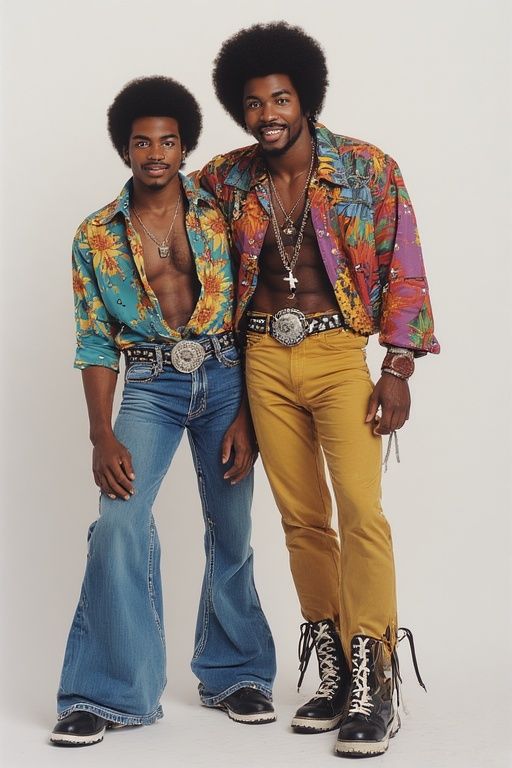
The emphasis on comfort without sacrificing style is one of the decade’s most valuable contributions.
What to look for:
Open collars and lightweight fabrics that allow airflow
Short sleeves paired with relaxed trousers
Easy layering that feels natural rather than styled
Comfort without sacrificing style remains one of the decade’s strongest lessons.
Street Style 70s Fashion Men and Everyday Influence
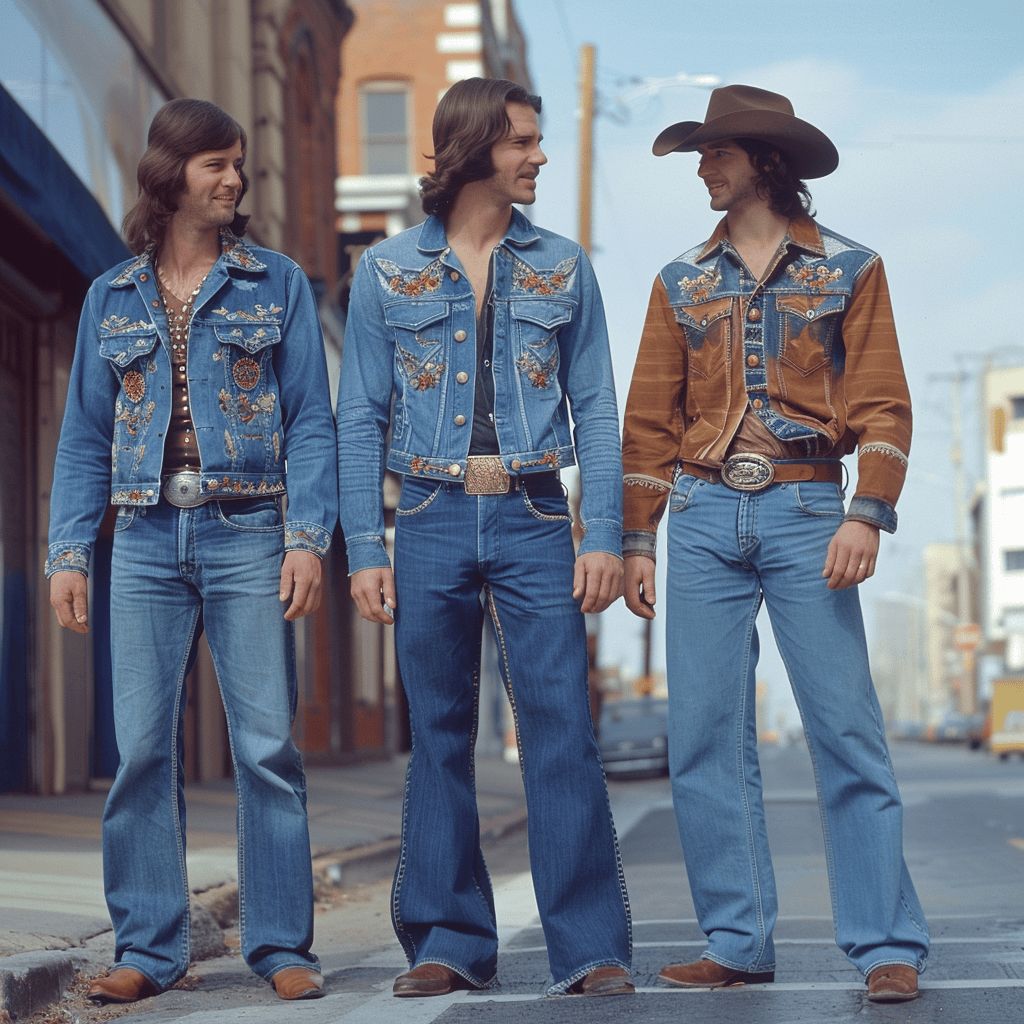
Street style 70s fashion men reflected real life rather than runway ideals. It was practical, expressive and rooted in culture. Men dressed for their environment, not for approval.
This authenticity is echoed in modern street style. The idea that style should reflect personality rather than rules is one of the strongest legacies of the decade.
Modern streetwear takes ideas from the past, focuses on comfort and allows men to express their personality, much like fashion did in the 1970s.
What to look for:
Practical outfits worn outside formal settings
Personal styling choices over strict rules
Clothing that reflects identity and lifestyle
This mindset closely mirrors modern street style culture.
Then vs Now: How 70s Style Became Modern Menswear
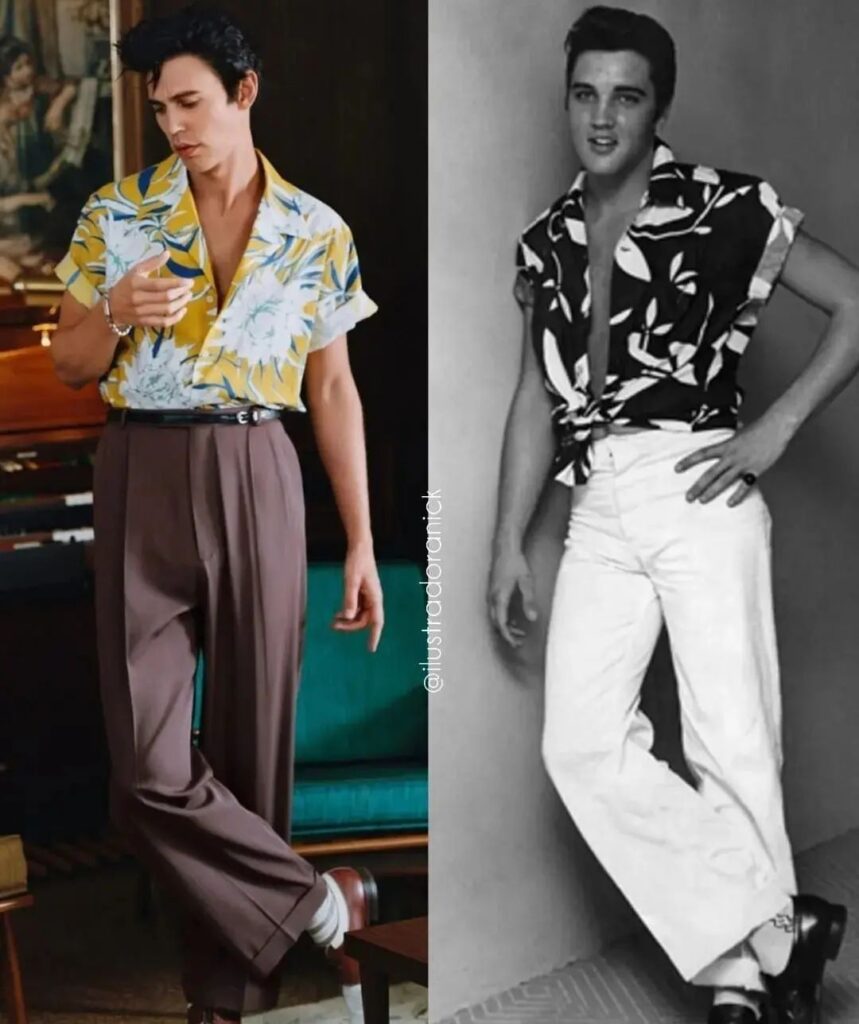
Many elements of today’s menswear are refined versions of 70s ideas.
Wide trousers have returned, but with cleaner lines. Open-collar shirts exist without excessive prints. Suede jackets and knitwear remain staples, but in lighter, more wearable forms.
This evolution shows that good ideas don’t disappear. They adapt.
What to look for:
Relaxed trousers updated with cleaner lines
Open-collar shirts in modern fabrics
Softer tailoring adapted for contemporary wear
The difference lies in balance and restraint.
What the 70s Got Right and What Should Stay in the Past
The decade got many things right. Relaxed fits, expressive clothing and confidence in personal style all deserve their place in modern wardrobes.
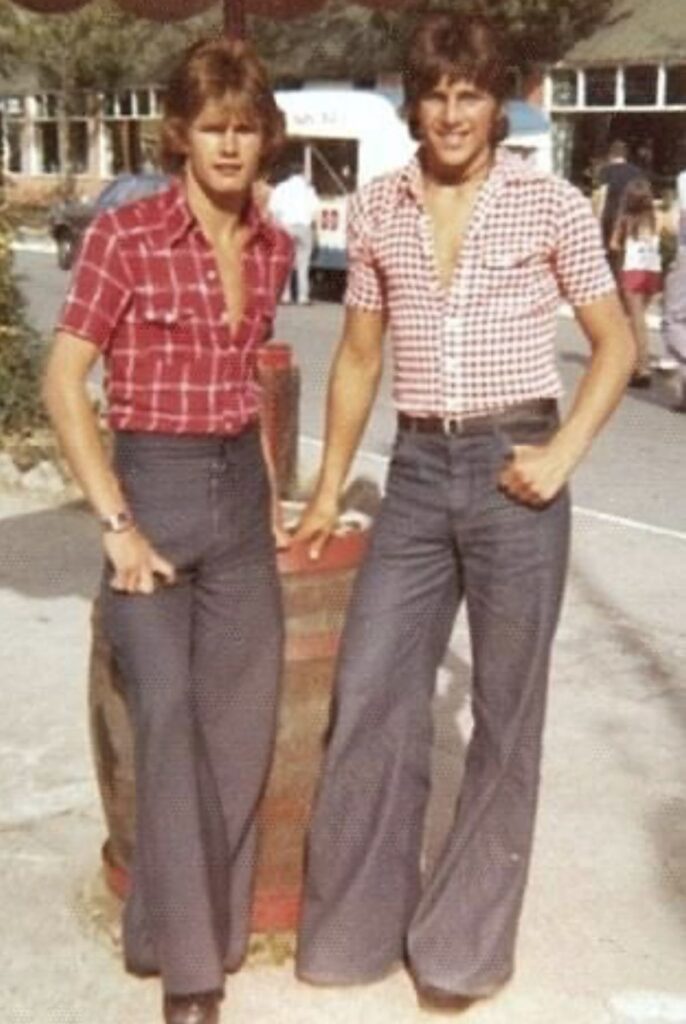
What doesn’t translate as well are extremes. Overly flared trousers, excessive patterns and costume-level styling belong to history rather than daily wear.
What still works:
Relaxed silhouettes
Expressive but wearable style
Comfort-driven dressing
What should stay in the past:
Overly exaggerated flares
Excessive patterns worn head to toe
Costume-level styling
Understanding this distinction keeps 70s influence modern rather than nostalgic.
How to Wear 70s Influence Today Without Looking Like a Costume
The easiest rule is moderation. One 70s-inspired piece per outfit is usually enough.
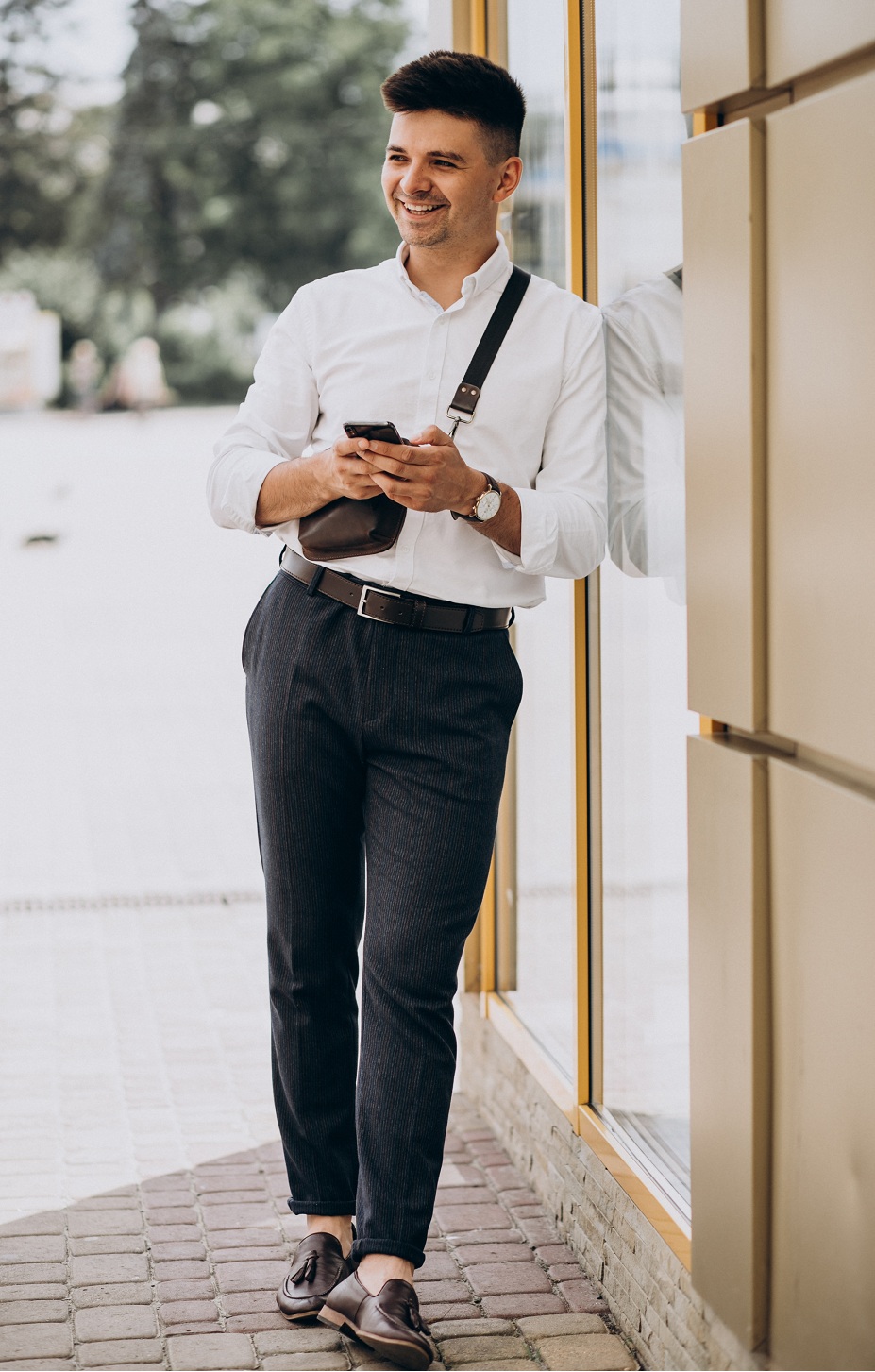
A relaxed trouser with a modern shirt. An open-collar shirt with tailored trousers. A suede jacket paired with simple basics.
Fit matters more than trend accuracy. Modern proportions keep outfits current even when inspired by the past.
Why 70s Men’s Fashion Still Matters
70s men’s fashion matters because it reshaped how men think about clothing. It broke rigid rules and introduced the idea that style should be personal, comfortable and expressive.
Today’s menswear continues that conversation. Whether through relaxed tailoring, confident casualwear or expressive details, the influence remains clear.
The decade reminds men that good style isn’t about copying the past. It’s about understanding it and using it intelligently.
70s Mens Fashion Pictures That Still Inspire Style Today
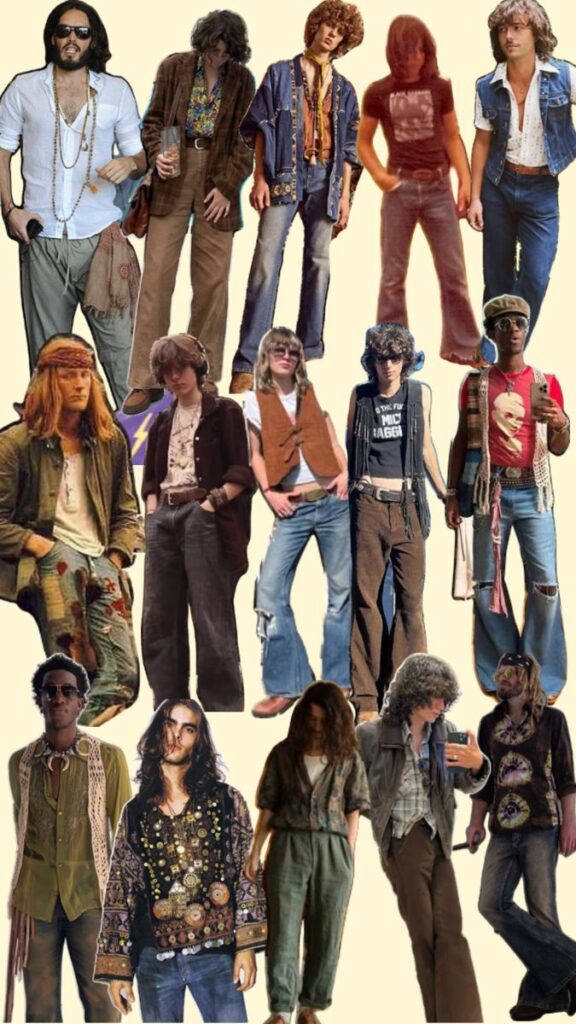
Looking at 70s mens fashion pictures gives a clearer understanding of the decade than any written description. These images captured how men actually dressed in real life, not just on runways. What makes them so influential is the mix of confidence, ease and individuality.
Five fashion names that frequently appear in iconic 70s mens fashion imagery include:
Yves Saint Laurent – Known for redefining men’s tailoring with softer silhouettes and confident styling.
Halston – A major influence on relaxed luxury and disco-era style.
Ralph Lauren – Helped shape the polished yet casual American look of the decade.
Pierre Cardin – Pushed futuristic cuts and bold shapes that defined 70s experimentation.
Giorgio Armani – Late in the decade, introduced softer tailoring that still defines menswear today.
These images weren’t about perfection. They showed men dressing with personality, which is why modern menswear continues to reference the era visually.
70s Mens Fashion Magazine Influence on Men’s Style
The 70s mens fashion magazine played a major role in shaping how men thought about clothing, grooming, and lifestyle. These publications didn’t just show outfits. They presented a way of living.
Some of the most influential men’s magazines of the 1970s include:
GQ – Helped redefine men’s fashion as stylish, confident and modern.
Esquire – Blended fashion with culture, politics and masculinity.
Playboy – Influential in presenting fashion as part of a broader lifestyle.
Penthouse – Reflected bold aesthetics and the era’s shift toward expressive style.
Vogue – While not exclusively menswear, its editorial direction influenced designers and trends across the decade.
These magazines shaped the idea that men’s fashion wasn’t separate from daily life. That editorial approach is still used by modern men’s style platforms today.