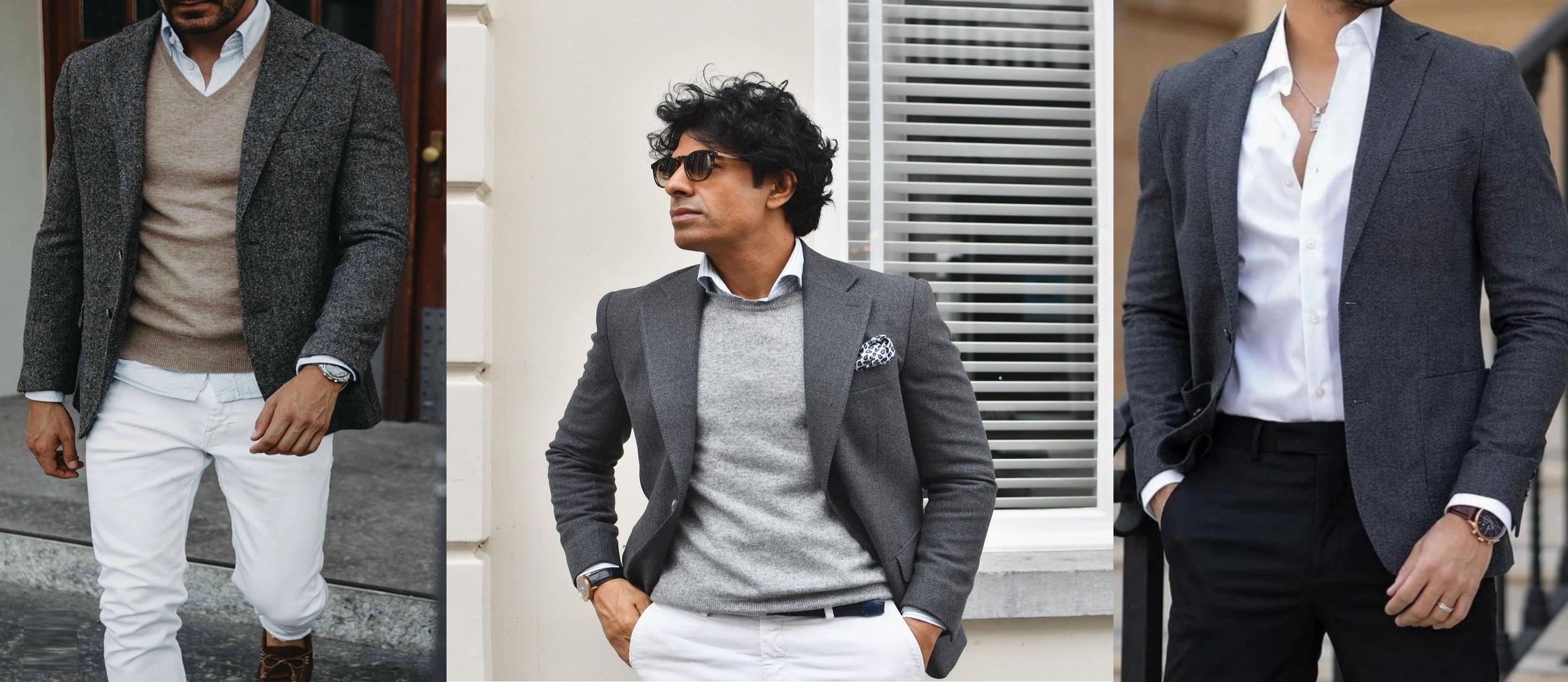
Most men own a blazer they barely touch. It comes out for weddings, maybe a job interview, then goes straight back into the wardrobe. Sound familiar?
The problem is not the blazer. The problem is that nobody ever showed you how to actually wear it without looking like you are heading to a board meeting or a funeral.
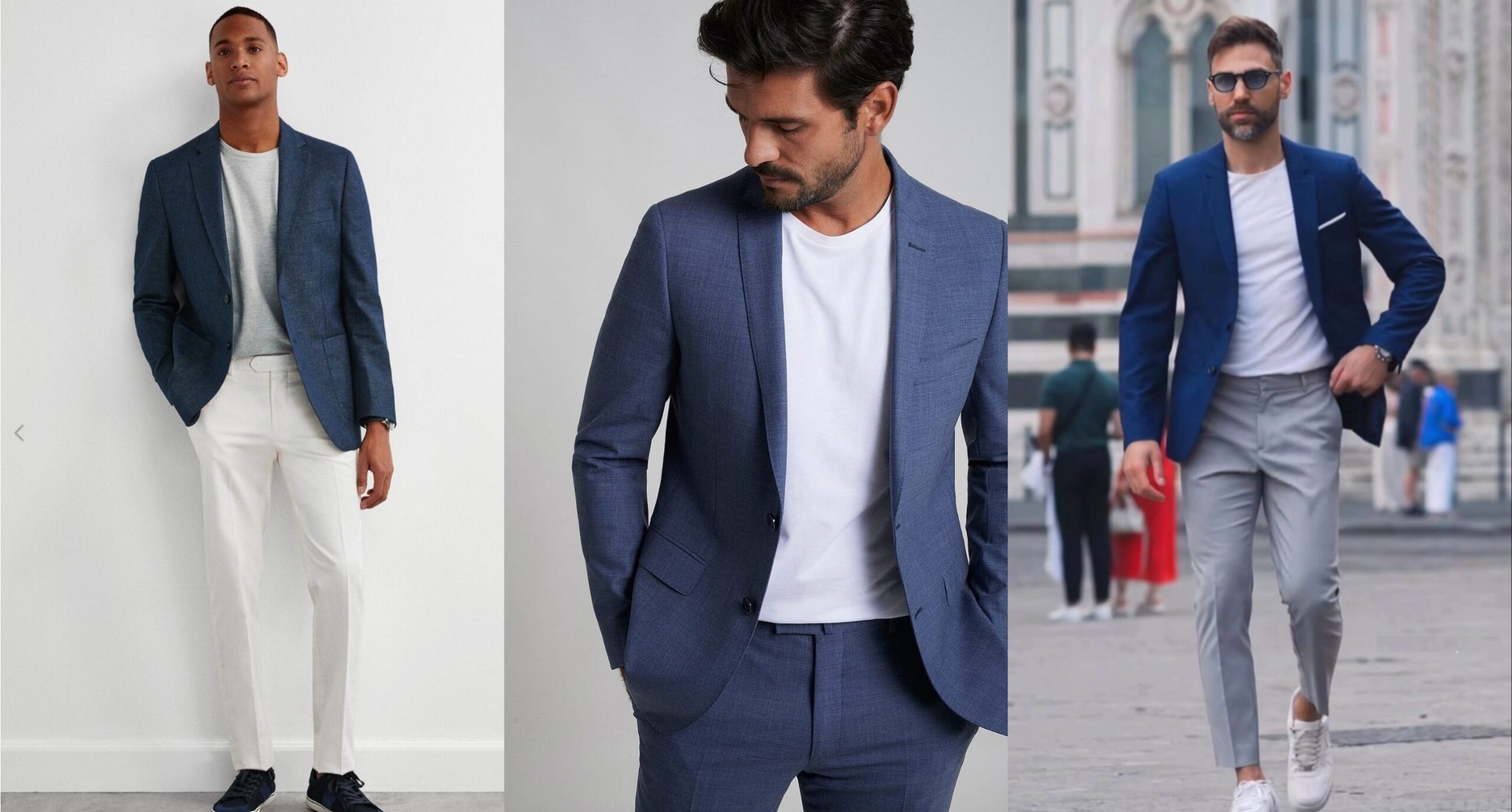
A blazer worn casually is one of the sharpest things a man can put on. It takes a plain t-shirt and jeans from “just woke up” to “actually tried.” It works for office Fridays, dinner dates, weddings and casual hangouts — if you know what you are doing.
Here is exactly how to do it.
Before Anything Else — Get the Fit Right
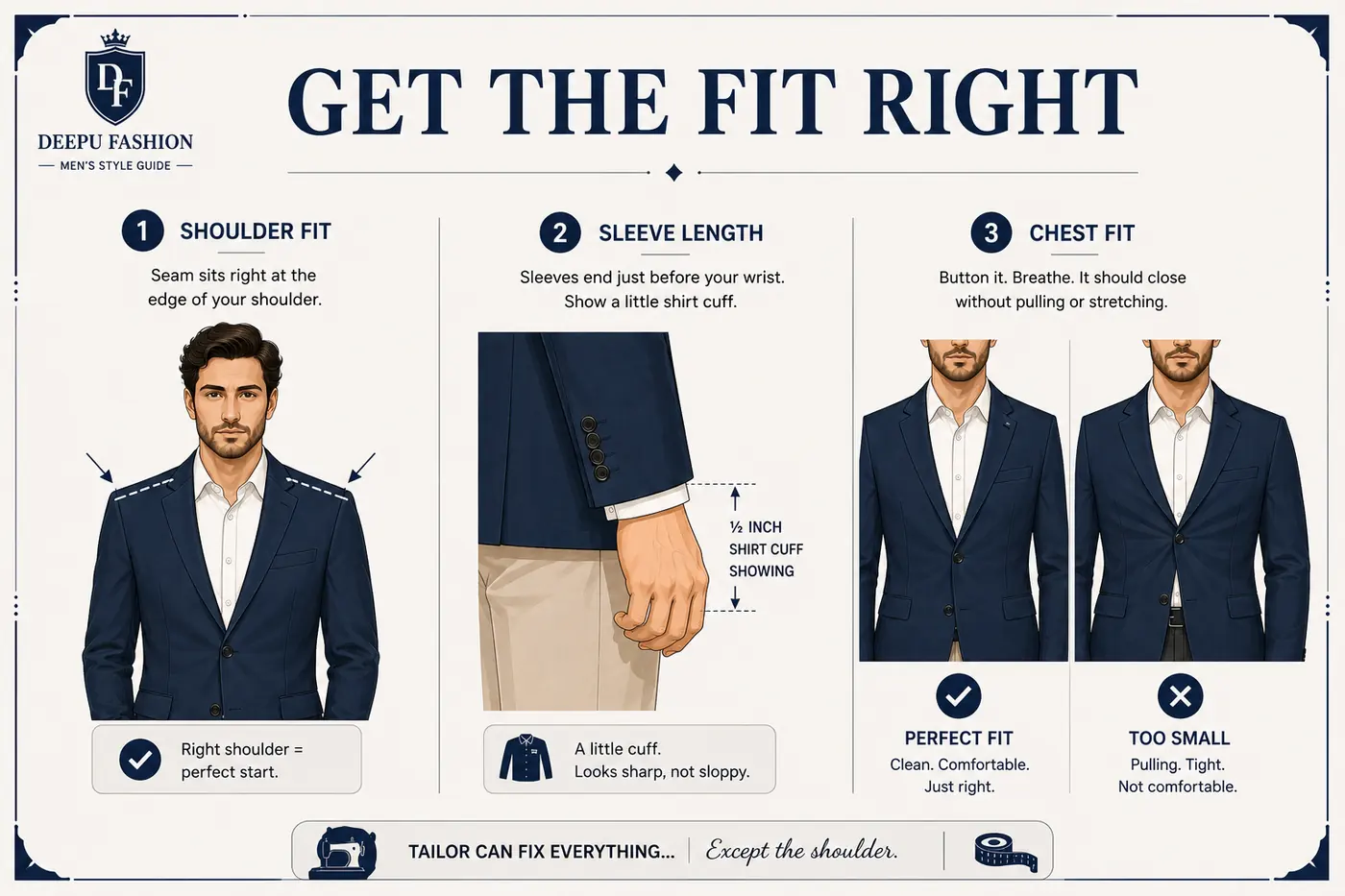
Nothing else matters if the blazer does not fit properly.
Check the shoulder first. The seam where the sleeve meets the jacket should sit right at the edge of your shoulder — not drooping down your arm, not pulling tight. This one thing determines whether the blazer looks good or borrowed. A tailor can fix everything else. The shoulder he cannot.
Sleeves should end just before your wrist. If you are wearing a shirt under the blazer, a small bit of the shirt cuff — about half an inch — should peek out. No cuff showing means the sleeves are too long. This single detail makes an outfit look either finished or sloppy.
Chest should close without pulling. Stand straight, button the jacket once, breathe normally. If the fabric pulls open or stretches across the chest, the blazer is too small.
Which Blazer to Buy First
Three fabrics, three situations. Simple.
Cotton blazer — buy this first. Works most of the year. Not too heavy, not too light. Goes over a t-shirt, a shirt or a sweater without looking off. If you own zero blazers, start here.
Linen blazer — buy this second, for summer. Linen wrinkles easily but that is the point — it looks relaxed on purpose. Pair it with a chambray shirt and chinos and you have one of the cleanest summer outfits possible.
Wool blazer — buy this third, for winter. Heavier, warmer, a little more serious. Looks great over a roll-neck sweater with dark jeans when the weather gets cold.
Start with cotton. Add linen for summer. Add wool for winter. Done.
Real Situations — What to Wear
Office on a Casual Friday
Most men either overdress (full suit) or under dress (jeans and a hoodie) for casual Fridays. A blazer hits exactly the right spot.
Blue blazer. Light blue or white shirt — not a stiff formal one, a soft everyday cotton shirt. Dark jeans, straight cut. Leather shoes or clean white sneakers.
That is it. Five minutes to put together. Looks like you actually thought about it.
What kills this: a shirt that is too crisp and formal. If the shirt belongs in a suit, it will fight with the casual jeans. Pick a softer shirt — something you could also wear without the blazer on a weekend.
Dinner Out
Not a five-star restaurant. Just a decent place, maybe a date, maybe friends. You want to look sharp without looking like you are trying too hard.
Grey blazer. Dark jeans. A grey shirt in soft cotton — tucked in, belt visible. Chelsea boots.
Grey on grey sounds like it would look flat. It does not, because the blazer is a different texture from the shirt. The jacket has more weight and structure. The shirt is soft. That difference is what makes it work.
What to avoid here: a plain white t-shirt under a blazer for dinner. Fine for weekends. For an evening out it reads like you forgot to get dressed properly.
Wedding Where You Are a Guest
This one confuses men every single time. You cannot wear a full suit unless the invitation says black tie. You also cannot show up in jeans unless it is an extremely casual outdoor wedding.
Casual blazer is the answer.
Beige or camel blazer. White shirt — properly pressed this time, collar neat. Grey or dark chinos. Brown leather shoes or loafers.
Why camel or beige? Because it reads warm and celebratory. A black blazer at a wedding reads more funeral than festive. Navy works too but camel stands out in a good way.
No tie unless the invite specifically says formal. Open collar, top button undone, looks cleaner than you think.
Weekend Plans — Market, Mall, Casual Outing
This is where men most often over-dress the blazer. You do not need chinos and loafers to go out on a Saturday afternoon.
Green blazer or blue blazer, whichever you own. Plain white or black t-shirt. Regular jeans — straight fit, no heavy rips. White leather sneakers.
The blazer needs to be soft here. A stiff, padded jacket over a t-shirt looks like a costume. A soft, light jacket over a t-shirt looks deliberate. Know which one you own.
A pink shirt instead of a t-shirt works well too — especially with a blue blazer. Pink is underrated for casual dressing. It photographs well and is harder to wear badly than most men think.
First Date
Men overthink this more than anything else. The goal is simple: look like you made some effort without looking like you are trying to impress.
Blue blazer. Dark jeans, no rips or heavy fading. A Cuban collar shirt in white or a subtle print. Loafers or clean leather sneakers.
The Cuban collar shirt works here because it looks like a real choice, not just the first shirt you grabbed. It says you know what you are doing without saying “I ironed this for you.”
No tie. No pocket square. Keep it simple.
Your Body Type Changes Everything
Nobody talks about this. Every article treats men like they are all the same shape.
Lean or tall men: Avoid very tight, slim-cut blazers. They make narrow frames look even narrower. Go for a regular fit with some room. A double-breasted blazer actually works well here — it adds visual width across the chest.
Broader chest or bigger build: Avoid double-breasted blazers — they add width you do not need. Single-breasted, one or two buttons, worn open most of the time. A longer blazer that hits mid-thigh rather than the hip balances a broader upper body better.
Shorter men: Avoid long blazers — they cut your height visually. A blazer that ends at the hip, with slightly higher-waisted trousers underneath, makes legs look longer. Keep everything fitted. Nothing baggy.
Average build: You have the most options. Focus entirely on fit rather than silhouette. Any style works when it fits correctly.
Colours — Simple Version
Blue blazer — most useful one to own. Goes with black jeans, grey chinos, khaki trousers, white t-shirt, grey shirt. Hard to wear wrong.
Grey blazer — best second blazer to buy. More relaxed than blue. Pairs better with earth tones — brown shoes, beige or tan trousers, olive or green trousers.
Green blazer — underused. Pairs naturally with white, black, cream and brown. Easier to wear than most men expect.
Beige or camel blazer — good for events. Looks good on most skin tones. Stands out without being loud.
Black blazer — common but pushes every outfit toward formal even when you do not want that. Blue or grey will always give you more casual options.
Getting shirt colours right under a blazer matters more than most men realise. The shirt is what people see first. Getting that wrong throws the whole outfit off regardless of how good the blazer is. Choosing the right shirt colors for dark skin men specifically makes a visible difference — white orange and red read very differently on deeper skin tones compared to what generic advice usually suggests.
Shoes — What Works and What Does Not
Loafers — most reliable choice. Leather or suede. Brown or tan for daytime. Darker for evening. No socks or short socks in summer. Proper socks in winter. Works with chinos, jeans, trousers — everything.
White leather sneakers — works for casual situations. Not running shoes. Not chunky trainers. Low-profile, leather, clean. Specifically good for weekend plans and first dates.
Men’s casual boots — Chelsea boots are the most useful boot to wear with a blazer. Black or dark brown. Works across almost every casual blazer situation from dinner to weekend plans.
Avoid: Running trainers — mismatch is too obvious. Heavy work boots — too much weight at the bottom. Very formal Oxford shoes — drag the outfit back toward a full suit look.
Mistakes That Kill the Look
Wearing a suit jacket instead of a blazer.
A suit jacket is cut to match specific trousers. Alone with jeans, the proportions go wrong — it sits too close to the body, the colour too precise, the whole thing reads as incomplete suit rather than casual blazer. If you want casual, buy a blazer made for casual wear — not a spare suit jacket.
Doing up the bottom button.
Two-button blazer: only the top button closes. Three-button blazer: only the middle closes. Blazers are cut this way on purpose. Closing the bottom button pulls the jacket tight across the hips and makes it look too small.
Pairing a blazer with baggy jeans.
The blazer has shape at the top. Baggy jeans add volume at the bottom. The result is a triangle silhouette — wide top, wider bottom, no definition in the middle. It looks like two separate outfits. Straight, slim or tapered jeans only with a blazer.
Too many things at once.
Patterned blazer, printed shirt, statement watch, pocket square. Everything competes. Nobody knows where to look. Pick one thing to stand out — either the blazer or the shirt, not both.
Wrong size.
Too big: shoulders drop, chest looks empty, sleeves cover your hands. Too small: chest pulls when you move, shoulder seams fall off the edge. Neither is a style decision. Both just look wrong.
How Many Blazers Do You Really Need
Three covers everything.
One blue cotton blazer for everyday use. One grey blazer for when you want something different. One linen or light cotton blazer in beige or cream for summer and events.
That is office, casual, evening and most occasions handled. Beyond three, you are buying things that do the same job twice.
If you want to understand where the blazer fits compared to other jackets — when to reach for a leather jacket, a denim jacket or a field jacket instead — the full breakdown is in this guide on types of jackets for men.
FAQs
Can men wear blazers casually?
Yes — and more men should. A well-fitted cotton or linen blazer in a casual colour works for most everyday situations. The fabric, fit and what you pair it with decide whether it reads casual or formal.
What is the easiest casual blazer outfit?
Blue blazer, white t-shirt, dark straight jeans, white leather sneakers. Takes five minutes and works for most casual situations.
What jeans go with a blazer?
Dark wash jeans in a straight or slim cut. No heavy distressing, no extreme fading. The jeans should look like you chose them, not just grabbed the nearest pair.
Can I wear a blazer with sneakers?
Yes — white or black leather sneakers, low-profile, clean. Not running shoes, not chunky soles.
How do I stop a blazer from looking too formal?
Fabric is the main thing. A soft cotton blazer reads casual. A stiff padded blazer reads formal no matter what you put under it. Buy the right blazer for the situation you have in mind.
Should a blazer be tight or loose?
Neither. Shoulder sits at the edge. Chest closes without pulling. Body skims without clinging. A tailor can fix the body and sleeves. The shoulder has to be right when you buy it.
A blazer is not something you save for special occasions. It is the one jacket that makes whatever you are wearing look better — without adding effort, without changing your style and without making you look like you are headed somewhere you are not.
Buy one that fits. Learn the situations. Wear it more.
That is all it takes.
Deepak Bhandari has spent 10 years in personal styling, helping men dress with more confidence and less guesswork. He’s the founder of Deepu Fashion, where he writes about style, grooming and everyday outfit ideas that actually work in real life. Follow him on Instagram for daily style tips and inspiration.