Business casual men means different outfits in different offices. One company is happy with jeans and a polo. Another expects a blazer every day.
Even in the same office, you may dress differently depending on the day. Jeans may be fine for a normal office day but not for a client meeting. Sneakers may work at your desk but not for an interview.
The main thing is knowing what looks right for the place and the occasion.
Casual office or formal office? Start here
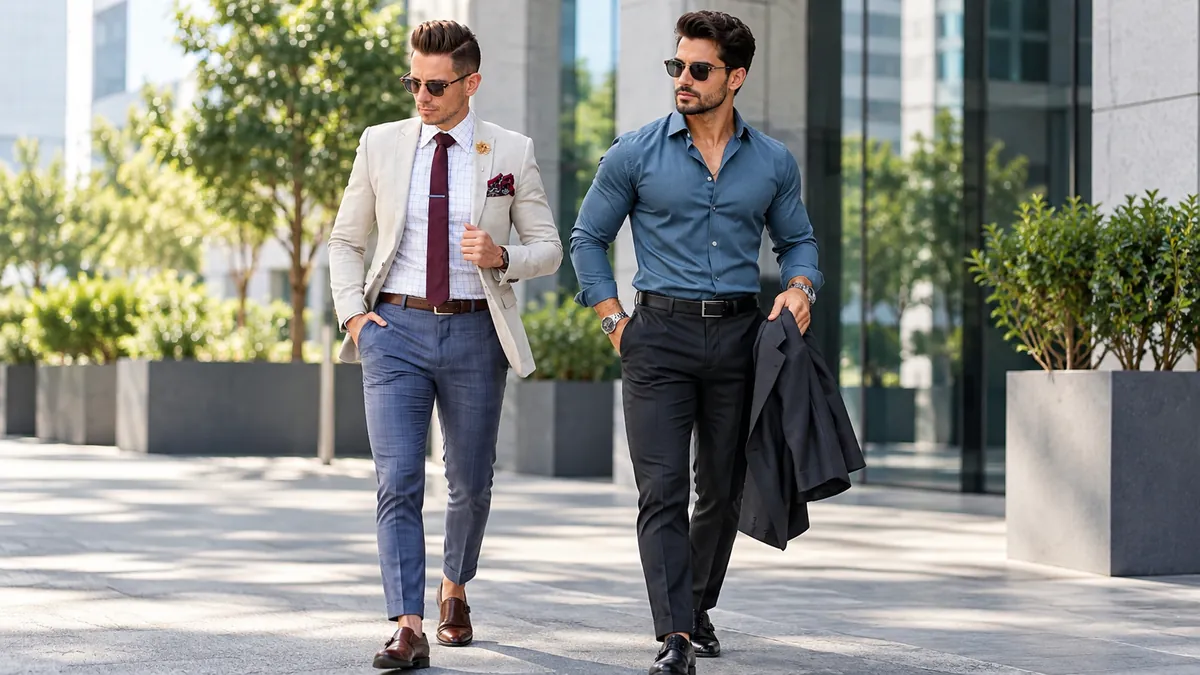
In a formal office, keep things simple. A button-up shirt with proper trousers and leather shoes is a good starting point. Add a blazer when you have a meeting or want to look a little more dressed up. A tie is usually not needed for business casual attire.
Casual offices give you more room to play with your clothes. Chinos, dark jeans, polos, plain T-shirts, casual shirts and good sneakers can all work. The key is to keep everything clean and in good shape.
If the dress code is not written clearly, pay attention to what people wear around you. Managers and senior staff are often the best people to look at. If you are still unsure, ask HR what is considered too casual.
Weather can also change what works. A short sleeve shirt may be perfectly normal in a hot city, even in an office where people usually dress more formally.
What to buy first: shirts, trousers and shoes
An button down is a good shirt to have in this wardrobe. White and light blue are easy colors to start with. The collar stays in place without a tie and the shirt can be wear tucked in or left out. A dress shirt has a smoother fabric and a sharper collar, so it looks better when you need to dress up.
A polo is another easy option for everyday wear. Skip the ones with big logos. A plain polo with a collar that sits flat and sleeves that finish around the middle of the upper arm will look much better.
Chinos will cover most of your full day trouser needs. They are less formal than suit trousers but still look neat with a plain shirt or polo shirt . A dark pair is easy to dress up, while lighter chinos give you a more casual look. Wool trousers are best adding later for days when you want to wear a shirt and jacket without putting on a suit.
Shoes make a noticeable difference to the same outfit. Loafers keep things simple and work with both trousers and jeans. Leather lace-up shoes make the outfit look more traditional. Chelsea boots are a good option in winters.
One small rule is easy to remember: brown shoes with a brown belt and black shoes with a black belt.
Shoes can change the whole outfit. Take navy chinos and a white shirt with brown loafers (slip-on leather shoes), the look is smart. With black lace-ups is best for meetings.
Business Casual Outfits
You do not need a different outfit for every day. A small simple outfit combinations can cover most working office days. Change the shoes, trousers and shirts can make the same wardrobe look more formal.
Light blue shirt, navy chinos, brown loafers
A light blue shirt and navy chinos looks well for a regular day at the office. Brown loafers make the outfit formal. Tuck the shirt in if you want it to look neater. Leave it out if the shirt is short enough to end near the zipper.
Button-up shirt, grey sweater, dark trousers, boots
Wear the sweater over the shirt and leave the collar outside. It adds a little detail around the neck and keeps you warm without a jacket. This works well on cold days or when you will be at your desk for most of the day.
Plain polo, olive chinos, white leather sneakers
A plain polo with olive chinos and white leather sneakers is a good choice when you want to dress casually at work. The polo gives you more than a T-shirt, while the sneakers keep the outfit normal. This works well on Fridays or in an office where people dress like more casually. If you prefer something a little dressier, wear loafers instead of sneakers.
What to wear to a client meeting
A blazer and grey trousers are a safe choice for a client meeting. Wear them with a white, sky blue or light pink shirt and black leather shoes.
It is usually better to be a little more dressed up than the person you are meeting. If you wear a blazer and the client turns up in a polo, you can take the blazer off. The other way around is harder to fix. A tie depends on the client and the industry. For places like banks or law firms, wear one. For most other meetings, leave it off and undo the top button.
What to wear to a job interview
Keep your interview outfit simple and make sure it fits properly. Your shirt should sit comfortably around the neck, the sleeves should end at the wrist and your trousers should not be too long or too short. Avoid clothes that feel tight or need constant fixing while you are wearing them.
Before the interview, look at the company’s website or social media to see what the team normally wears. Do not copy one person’s outfit. Look at the normal clothes style of the workplace. Try the full outfit once before the interview, including the best shoes. This gives you time to change anything that does not feel right.
Can you wear a T-shirt with business casual?
A T-shirt can work with business casual outfits, but the rest of the outfit needs to look more formal. A plain T-shirt with a blazer, chinos and simple look sneakers is enough for many casual workplaces. The T-shirt should have a firm collar, fit comfortably and have no print or large logo.
Avoid thin fabric, stretched necklines and old T-shirts that have lost their shape.
This combination is more suited to creative offices where people already dress casually. It is not the right choice for a formal office or an important meeting. When you wear a T-shirt, keep the rest of the outfit simple.
Are sneakers okay for business casual?
Sneakers can be part of a business casual outfit in some offices. Plain leather sneakers in white, black or any other dark color are the easiest way to wear. Pair them with linen pants and a button-up shirt. Keep the sneakers neat and clean, especially if they are white.
Running shoes, chunky trainers, high-tops and bright sneakers are usually too casual for work. If you are working in a formal office, loafers or leather lace-up shoes are a safer choice. When you are unsure about the dress code, check what people in the office wear before choosing sneakers.
Can you wear jeans to a business casual office?
Jeans can be fine in some offices, but choose the pair carefully. Black jeans with a straight or slim leg are easier to wear to work. Avoid ripped, heavily faded or distressed jeans. A button-up shirt with a blazer / casual jacket can make jeans look much better for the office. Finish with loafers or boots.
This is more common in casual workplaces. In a formal office, jeans may not be allowed at all. Check the dress code before wearing them, as some companies allow jeans only on certain days.
What to wear for business casual in summer
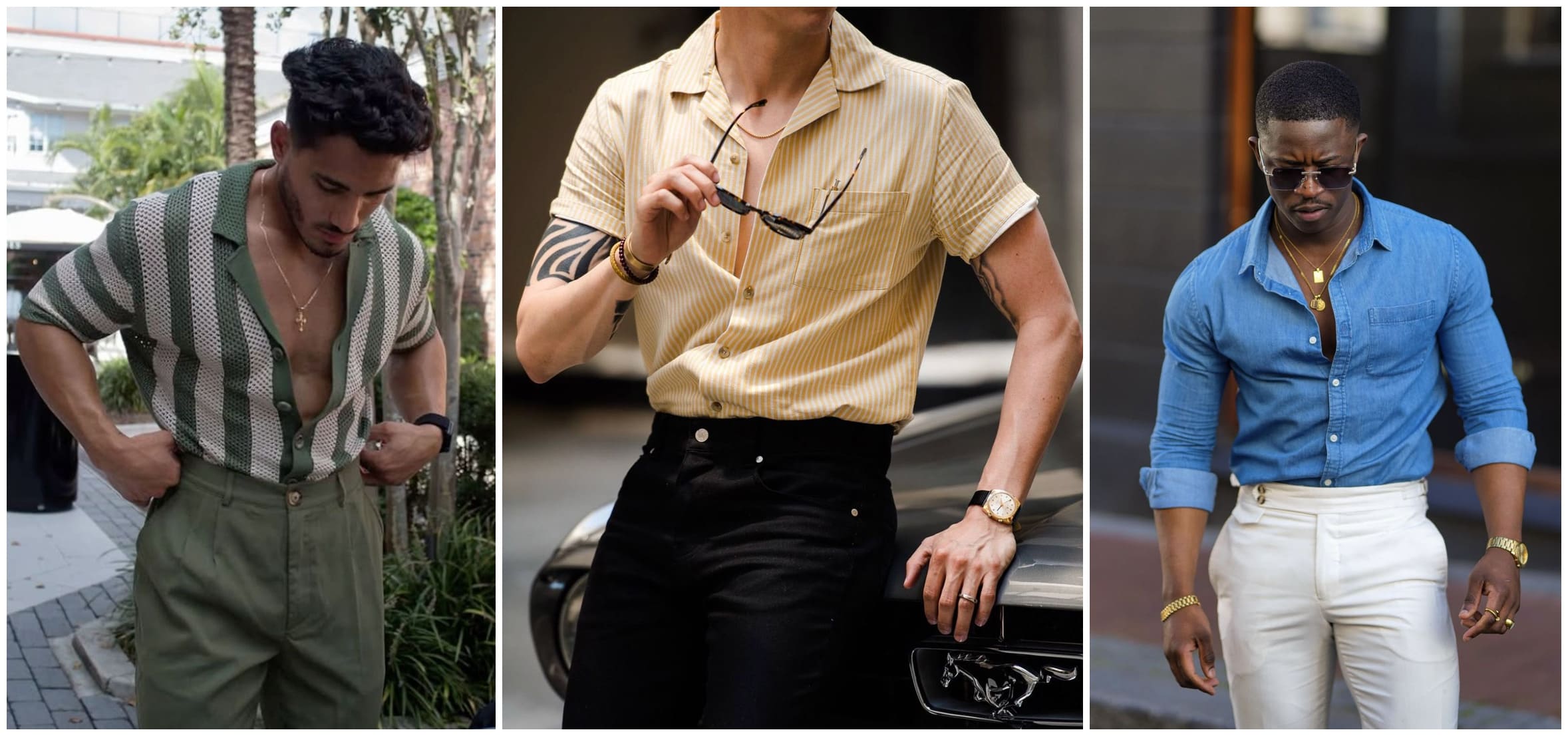
Most style advice is written for cold countries. In hot weather the rules stay the same, but the fabric changes. Cotton and linen let air through and dry fast. Light colors reflect the sun, so white, sky blue, sand and cream are good choices. Avoid heavy polyester, which traps sweat.
A good summer weather outfit is a linen shirt or a short-sleeve shirt with a flat collar, light chinos and loafers. Press the shirt or steam it, because linen wrinkles quickly and a crumpled shirt looks careless. Short sleeves are fine in many hot countries. If your office has strong air conditioning, keep a light sweater at your desk. Shorts are only for offices that clearly allow them. If yours does, choose neat, well-fitting ones, wear a button-up shirt and add proper shoes.
Fit and the small details people notice
A cheap shirt that fits looks better than an expensive one that doesn’t. The shoulder seam should sit at the edge of your shoulder bone. Sleeves should end at your wrist and under a blazer a little shirt cuff should show. Trousers should stay up without the belt doing all the work and the hem should just touch your shoe. A tailor, someone who alters clothes, can fix sleeves and trouser length for a small price.
After fit, the things that show most are wrinkles, scuffed shoes and worn-down heels. Five minutes with an iron or steamer helps more than a new shirt. Keep gym clothes out of the office and avoid big logos because they pull attention away from you. Your bag counts too. An old, worn-out gym backpack can spoil a good outfit, while a slim leather bag or a plain, clean backpack looks better.
Where to start if your closet is almost empty
Ten pieces are enough for the first month: two oxford shirts, a polo, a sweater, two pairs of chinos, a pair of grey trousers, a navy blazer, loafers, sneakers and a belt. Together they make more than twenty different outfits. Spend more on shoes, the blazer and trousers, because people see them most and they last longest. Tees and socks can be cheap.
Most regular clothing stores sell decent shirts and chinos at fair prices. Second-hand shops are good for leather shoes and blazers that cost much more new. Buy one piece at a time and only if it works with at least three things you already own.
Start with one outfit
Business casual gets easier once you know how your own office dresses. Pick one outfit from this guide that fits it, wear it for a week and see how it feels. Then add one piece at a time. It also helps to lay out your clothes the night before. It takes two minutes and you can catch a missing button or a dirty shoe before you leave the house.

Deepak Bhandari has spent 10 years in personal styling, helping men dress with more confidence and less guesswork. He’s the founder of Deepu Fashion, where he writes about style, grooming and everyday outfit ideas that actually work in real life. Follow him on Instagram for daily style tips and inspiration.