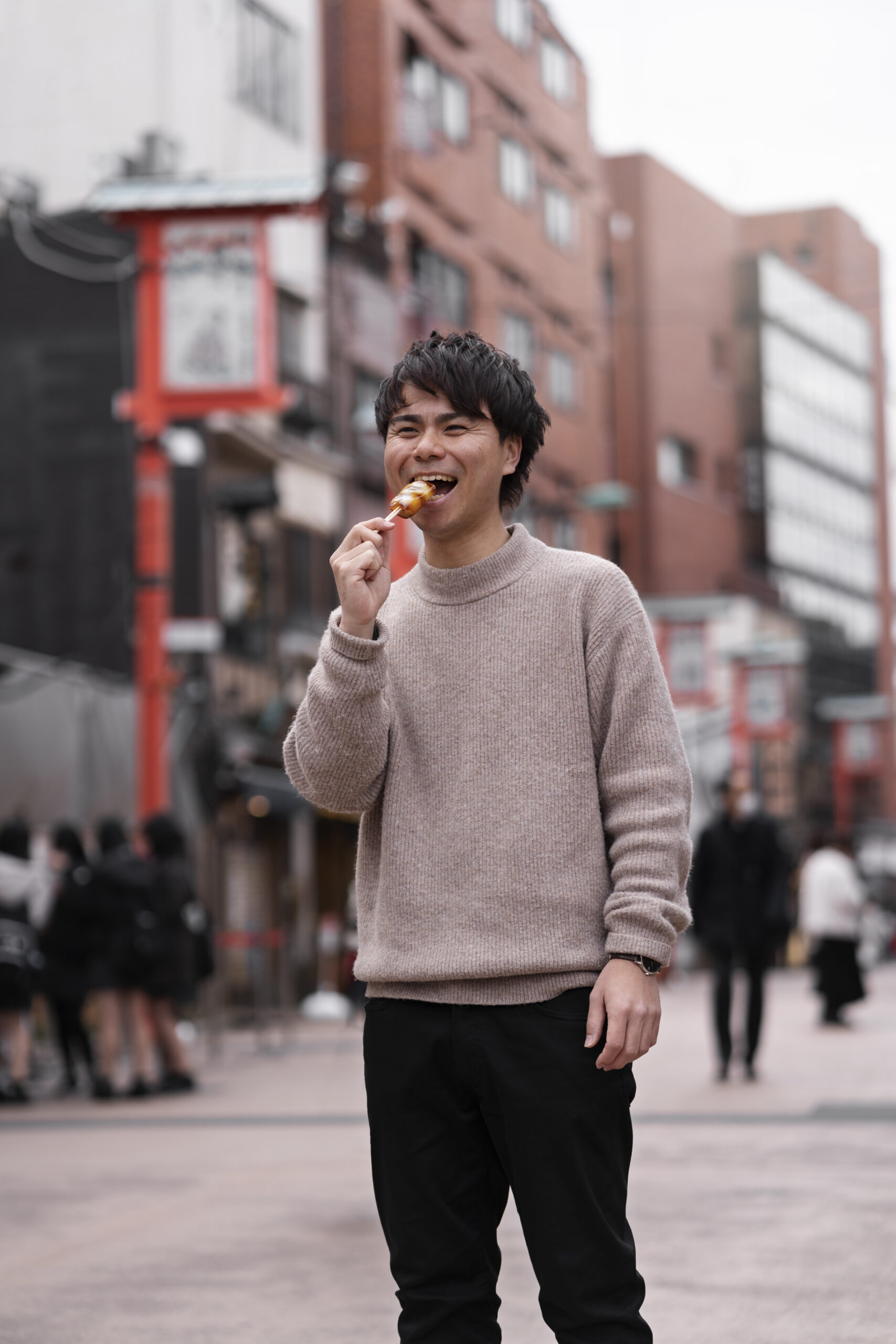
The first time Japanese fashion for men really stayed with me, it wasn’t because of a bold outfit or a trend I wanted to copy. It was quieter than that. I kept noticing men who looked comfortable, put together and completely at ease in what they were wearing.
Nothing felt rushed. Nothing felt like it was trying to prove a point.
The clothes didn’t demand attention, but they held it. And once I noticed that feeling, I couldn’t stop noticing it.
Over time, it became clear that Japanese mens style feels different because it is built on a different set of priorities.
It’s not about standing out. It’s about fitting naturally into everyday life.
How Japanese Men Actually Dress Day to Day
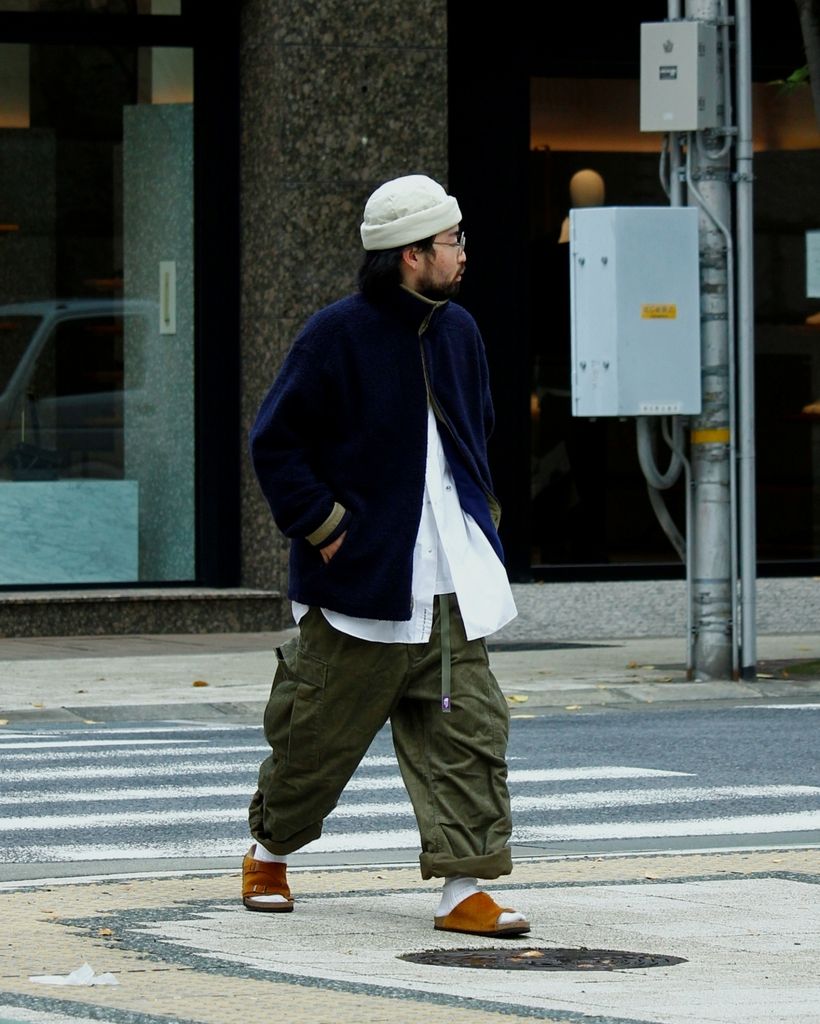
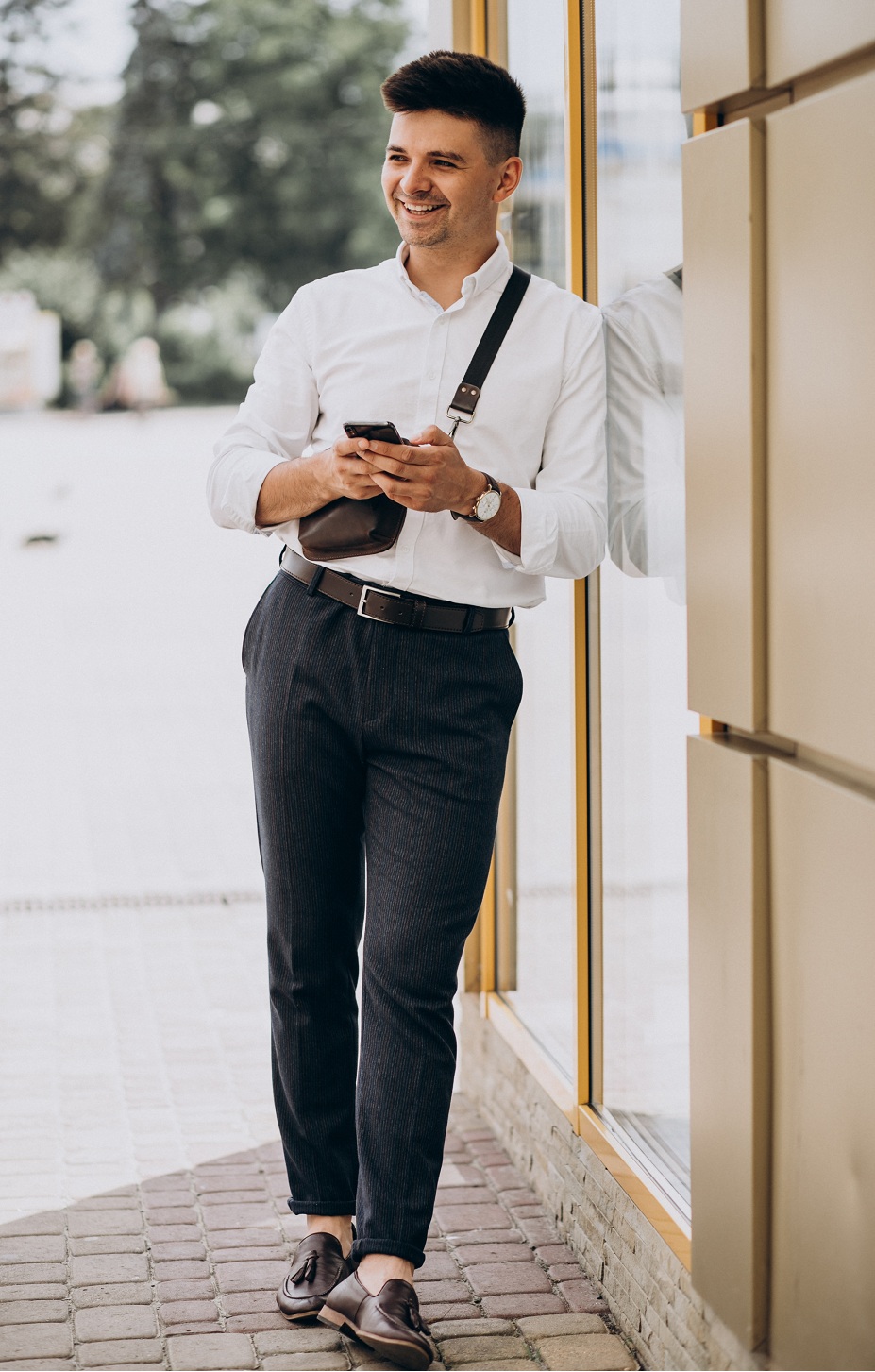
Spend time watching how men dress in Japan, especially away from obvious tourist areas and you’ll start to see a pattern. Outfits are simple, consistent and practical. Relaxed jackets, straight or slightly wide trousers, clean shoes and muted colors show up again and again.
Most men aren’t dressed for a single moment or photo. They’re dressed for long days that involve walking, commuting, working and being out for hours at a time. The clothes support the routine instead of competing with it.
That everyday focus is what gives japanese style men its grounded, natural look.
Why Fit Is Relaxed but Never Careless
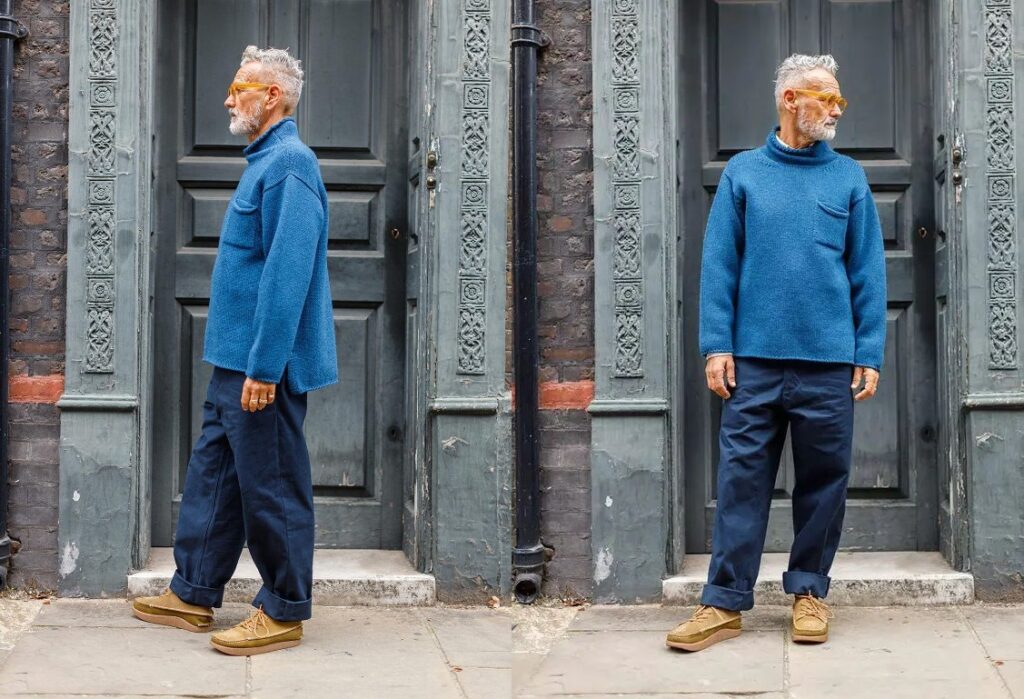
Easy silhouettes are often misunderstood. In Japanese fashion, easy doesn’t mean oversized for effect and it definitely doesn’t mean sloppy.
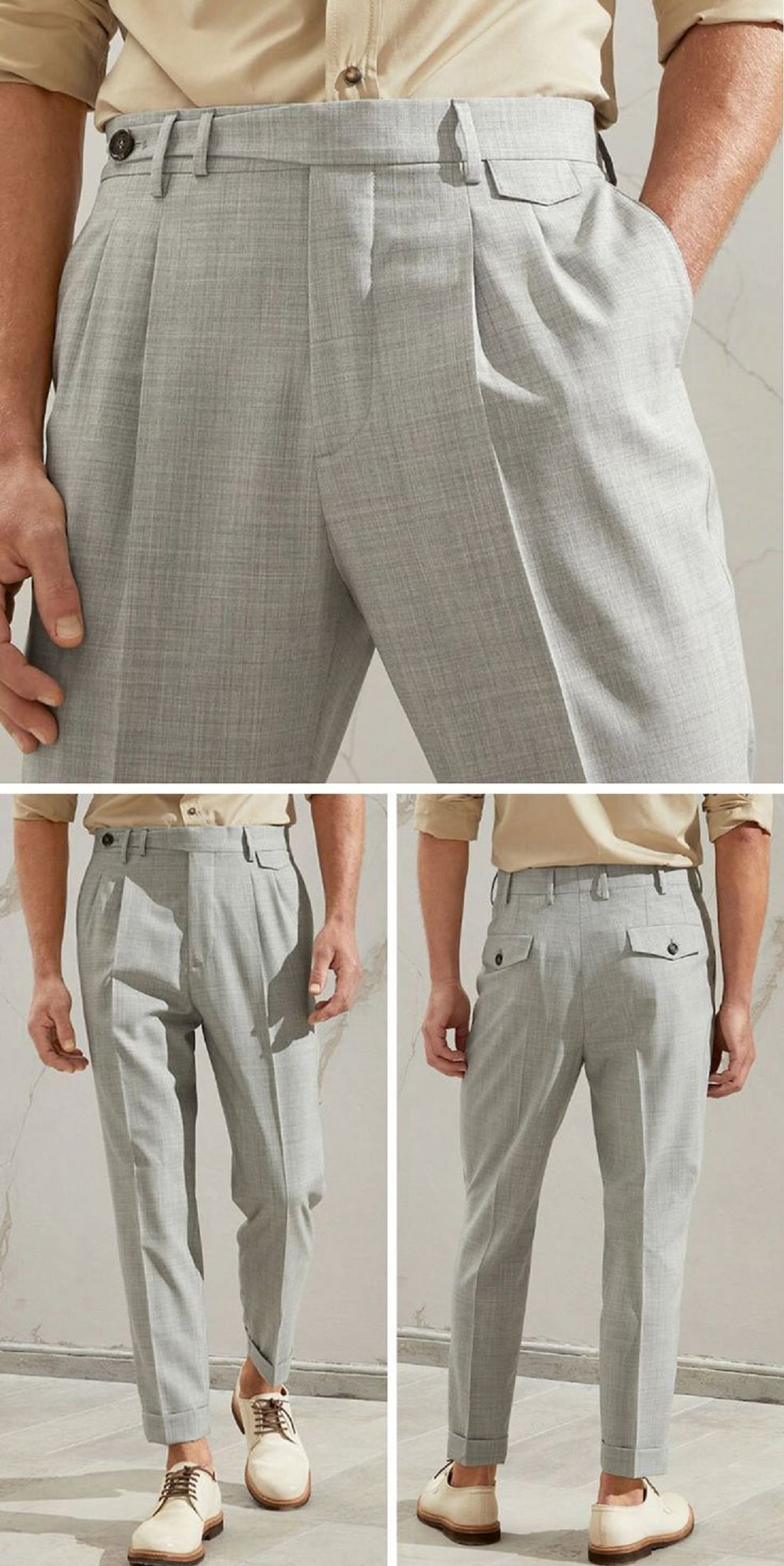
Trousers have room to move without losing shape. Jackets sit comfortably on the shoulders and allow layers underneath. Shirts drape naturally instead of clinging to the body. Everything feels intentional.
This approach makes sense in a culture built around walking and public transport. Comfort isn’t treated as a compromise. It’s part of good design. Once you get used to this way of dressing, tight or restrictive clothing starts to feel unnecessary.
The Role of Neutral Colors in Japanese Menswear
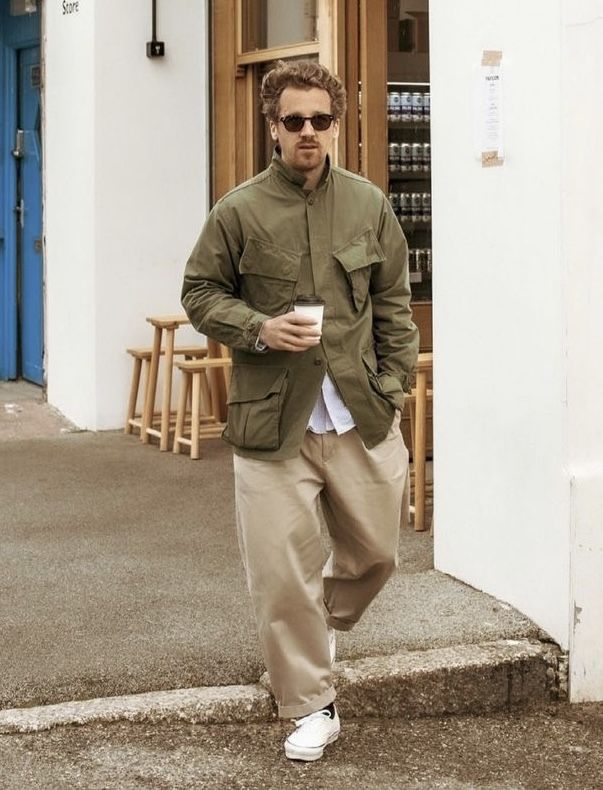
Japanese mens fashion leans heavily on neutral tones. Black, navy, gray, beige, olive. At first glance, this can feel repetitive. But the restraint is the point.
When color steps back, details step forward. Fabric texture matters more. Proportion becomes more noticeable. Layering feels deliberate. Outfits stay interesting without relying on bold statements.
This is why Japanese style feels timeless. It’s not tied to seasons or trends. It’s built to last.
Logos, Trends and Why Quiet Wins in Japan
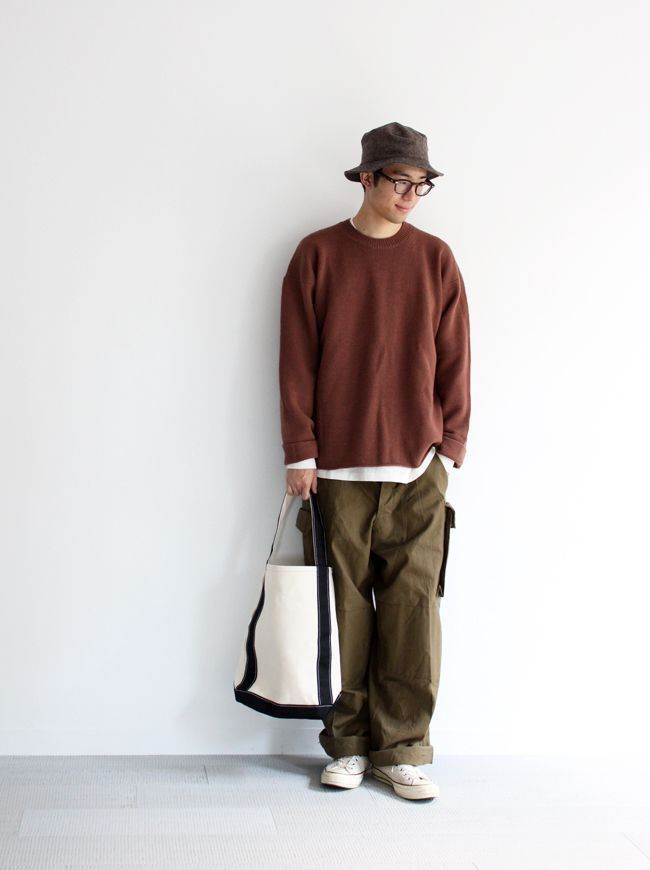
Visible branding rarely takes center stage in Japanese fashion. Logos exist, but they’re usually subtle. Clothes aren’t worn to signal status or trend awareness.
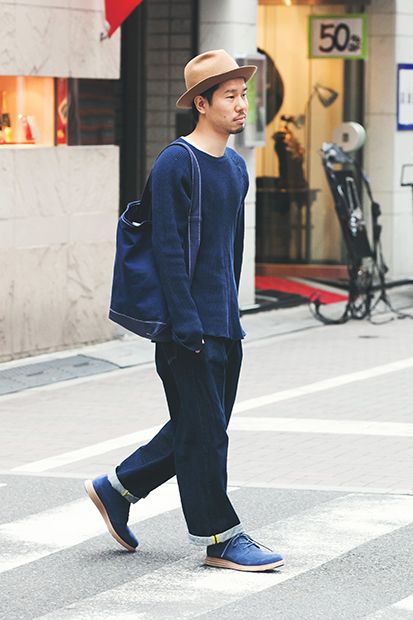
That restraint creates a quiet confidence. The focus shifts from being seen to feeling right. Over time, that mindset changes how you think about shopping. Instead of asking what stands out, you start asking what fits into your life long term.
This way of thinking is a core part of Japanese fashion for men.
Layering as a Way of Dressing, Not a Season
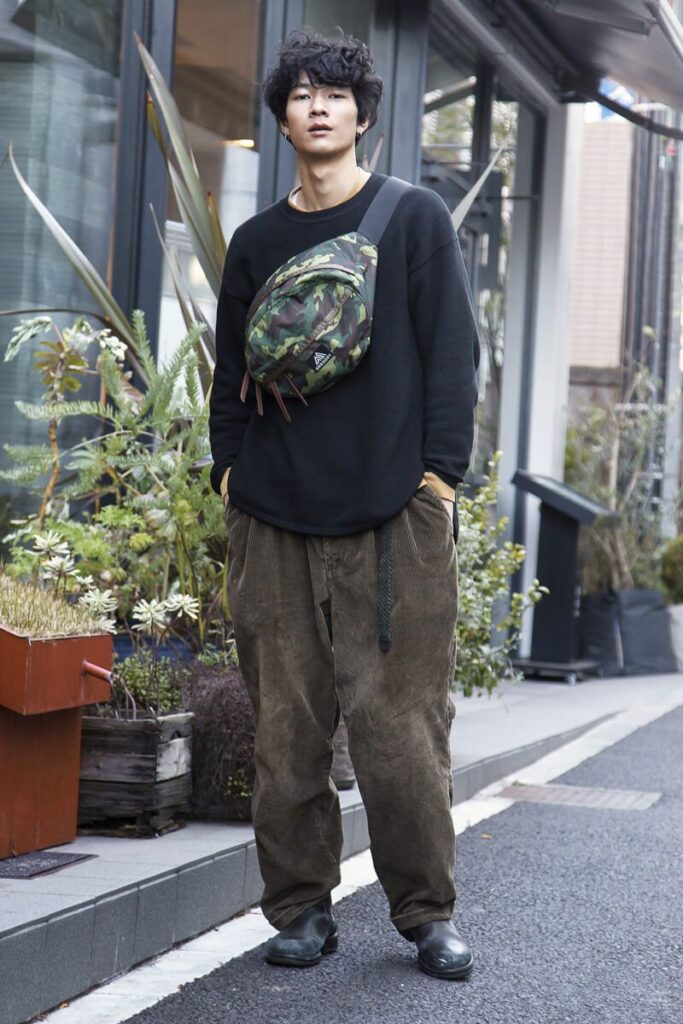
Layering in Japanese menswear isn’t only about weather. It’s part of how outfits are built.
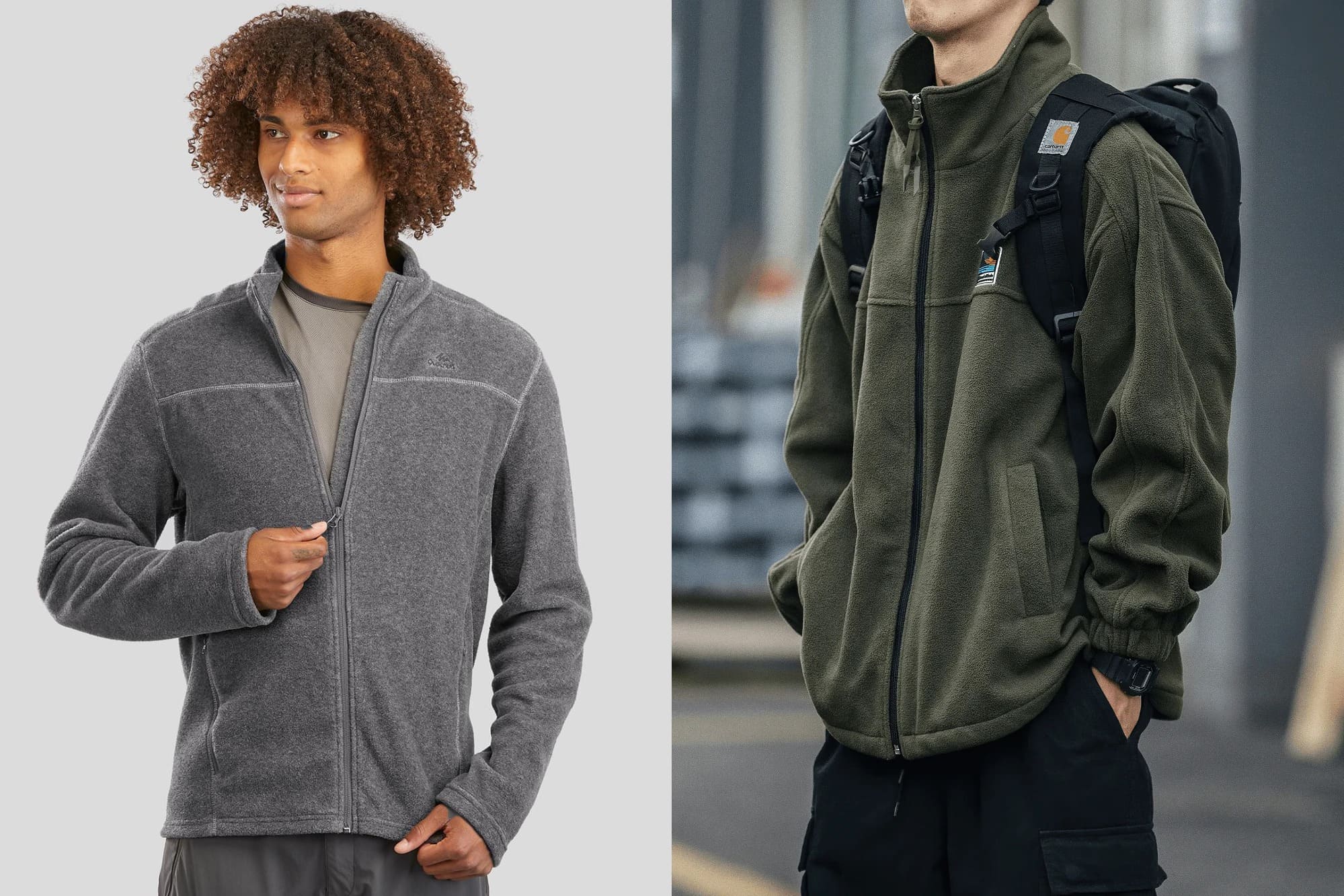
Light jackets over shirts, shirts under knits, longer layers mixed with shorter ones. The result is depth without bulk and flexibility throughout the day. Temperatures change. Plans change. The clothes adjust with you.
Layering feels natural here, not styled for attention. Like pieces were chosen over time and learned how to work together.
Clothes Built for Walking, Weather and Long Days
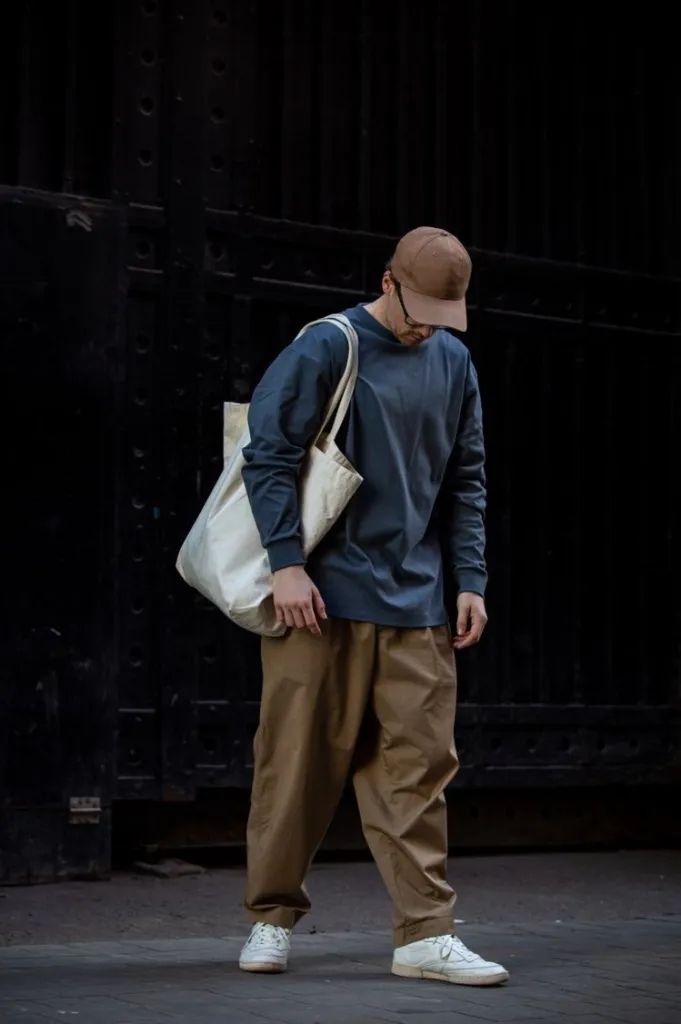
Japanese fashion men 2026 is deeply practical. Clothes are designed for movement, public transport and unpredictable weather. Fabrics breathe. Pieces hold their shape. Comfort is built in from the start.
What stands out is how understated this practicality looks. It doesn’t feel technical or overly functional. It just feels normal. That’s what makes it effective.
You’re not dressing for performance. You’re dressing for real life.
Dressing With Respect Without Overthinking It
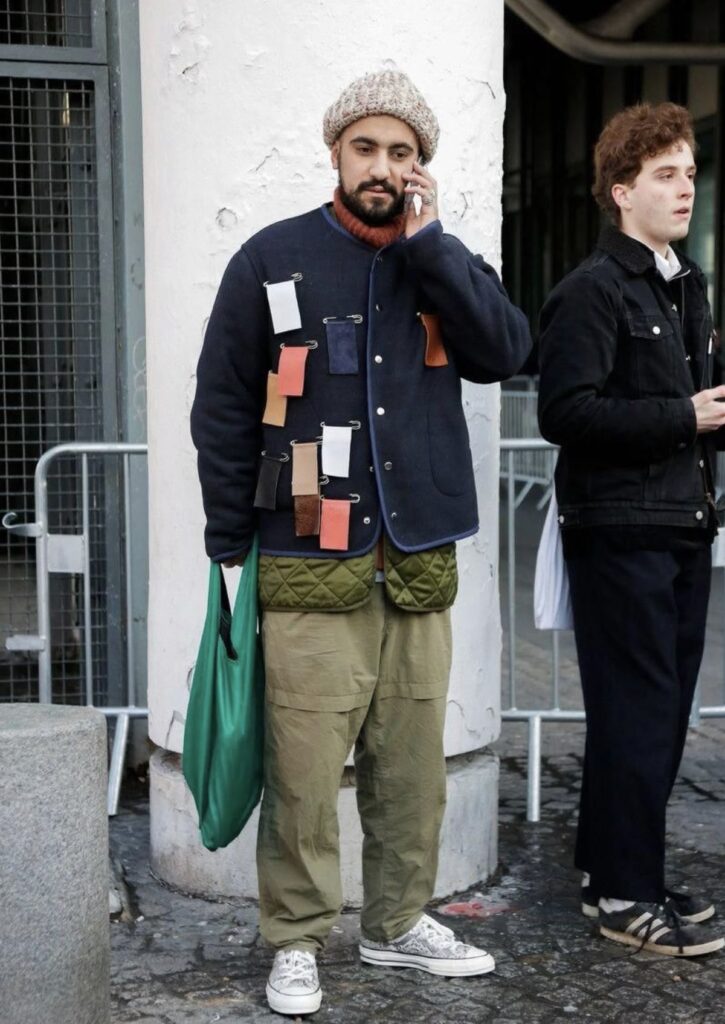
A lot of travel advice turns dressing in Japan into a list of rules. In reality, it’s simpler than that.
Dress modestly. Avoid extremes. Keep things clean and intentional. Respect comes through awareness, not perfection. When clothes are chosen thoughtfully, they naturally align with cultural expectations.
Japanese fashion values consideration more than strict formality.
Shoes, Socks and the Details That Matter More Than You Think
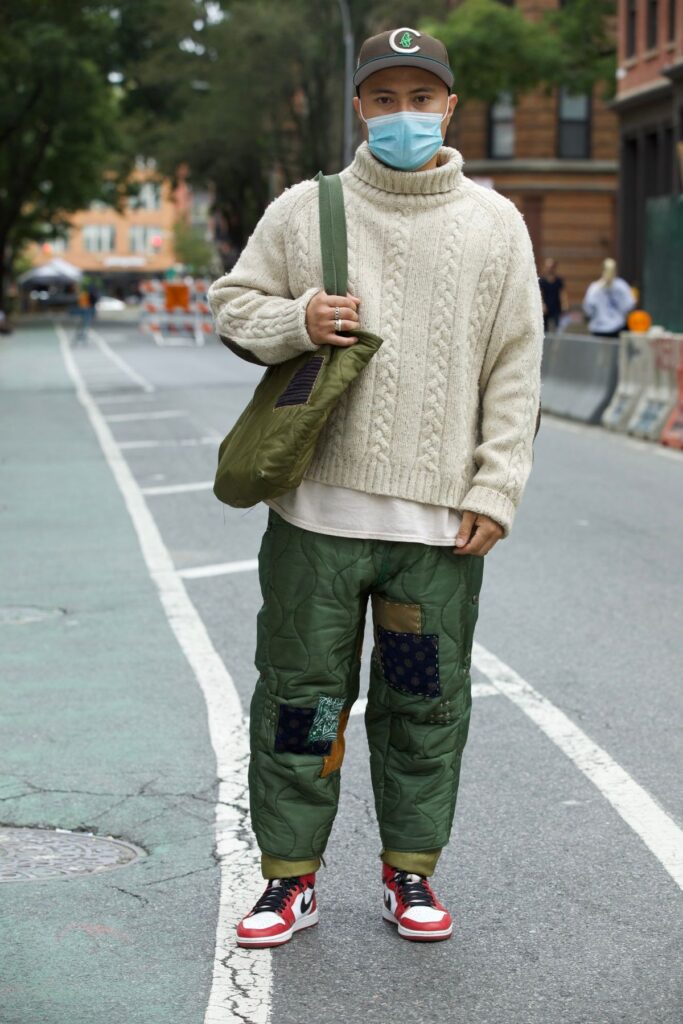
Details carry more weight than you might expect. Shoes are clean and practical. Socks are chosen with care, partly because they’re often visible. Nothing feels like an afterthought.
These small choices don’t draw attention to themselves, but they quietly hold the outfit together. Over time, you realize how much impact they have.
How to Dress in Japan Without Looking Like a Tourist
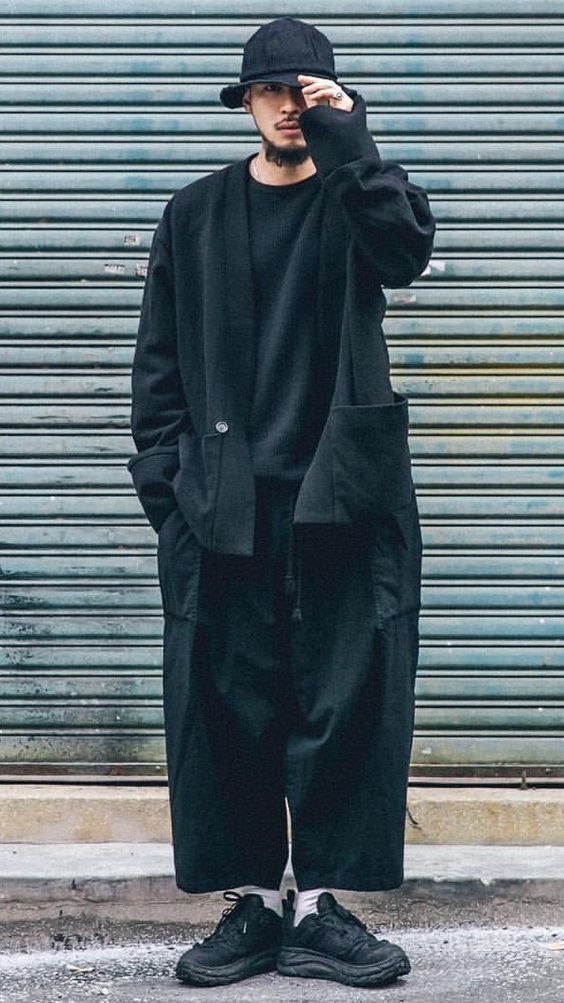
You don’t need to copy anyone. You just need to adjust your approach.
- Stick to neutral colors.
- Prioritize comfort and fit.
- Avoid loud branding.
- Let pieces repeat.
- Let clothes wear in naturally.
- Dress for the day ahead, not for a photo.
When you do that, you blend in effortlessly because you’re dressing the way Japanese men already do.
7 Japanese Clothing Brands for Men That Get Timeless Style Right
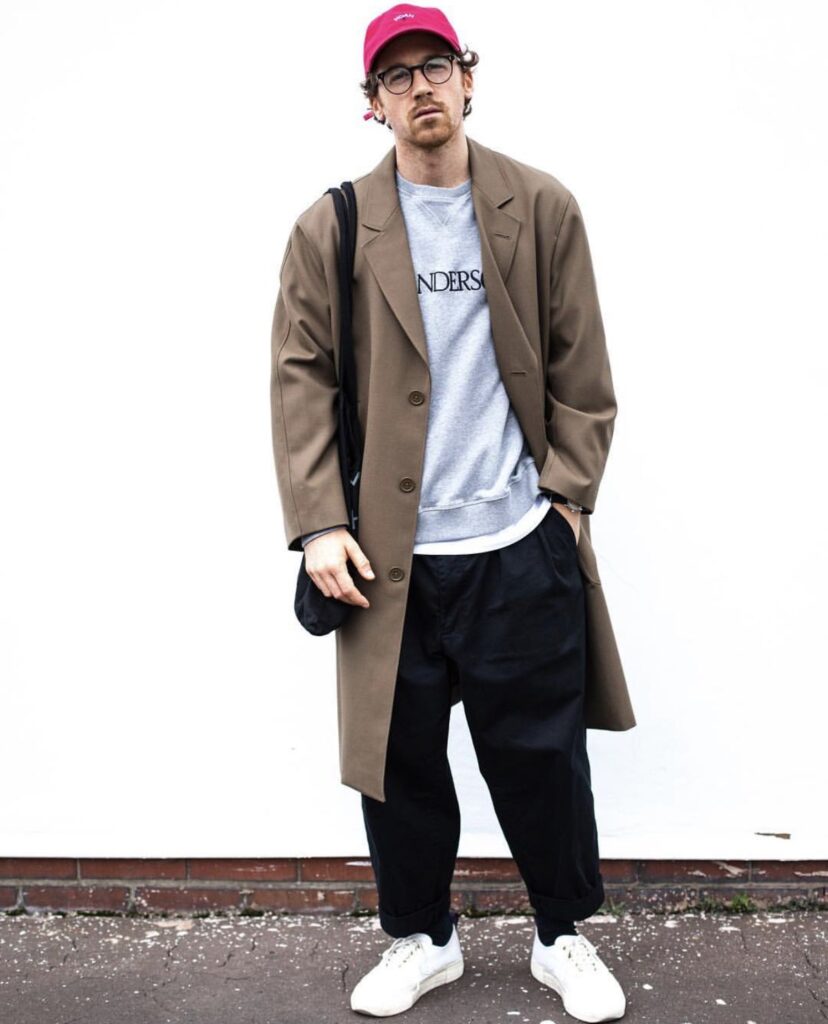
Japanese fashion for men isn’t driven by hype and the brands that last tend to reflect that. They focus on fabric, fit and consistency rather than chasing trends. These are labels that quietly support the way Japanese men dress every day.
1. Beams
Beams represents taste more than a single look. It blends classic menswear, casual staples and Japanese sensibility in a way that feels natural and wearable. The pieces work because they fit into real wardrobes.
2. Auralee
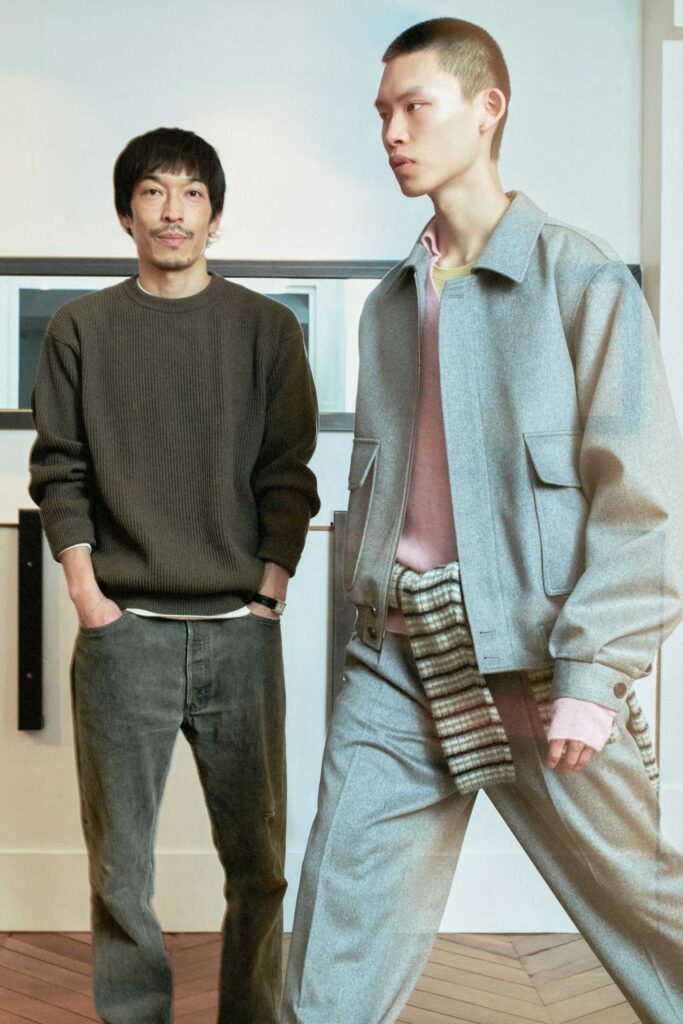
Auralee is known for its exceptional fabrics and calm silhouettes. Everything feels considered, from texture to drape. The clothes are relaxed but precise, refined without trying to impress.
3. Nanamica
Nanamica sits comfortably between function and everyday wear. The clothing is practical and weather-aware without looking technical, making it ideal for long days and changing conditions.
4. Comme des Garçons Homme
This line shows how Japanese fashion can experiment with shape while staying grounded. It plays with proportion thoughtfully, keeping one foot firmly in classic menswear.
5. Neighborhood
Neighborhood takes workwear and street influences and removes the noise. The result is rugged, mature clothing that feels intentional rather than trend-driven.
6. Engineered Garments
Engineered Garments focuses on layering, function and detail. The clothes look better the more you live in them, rewarding attention without demanding it.
7. Snow Peak
Snow Peak proves that practical clothing doesn’t have to look technical. Their everyday pieces are comfortable, durable and understated, working just as well in the city as they do outdoors.
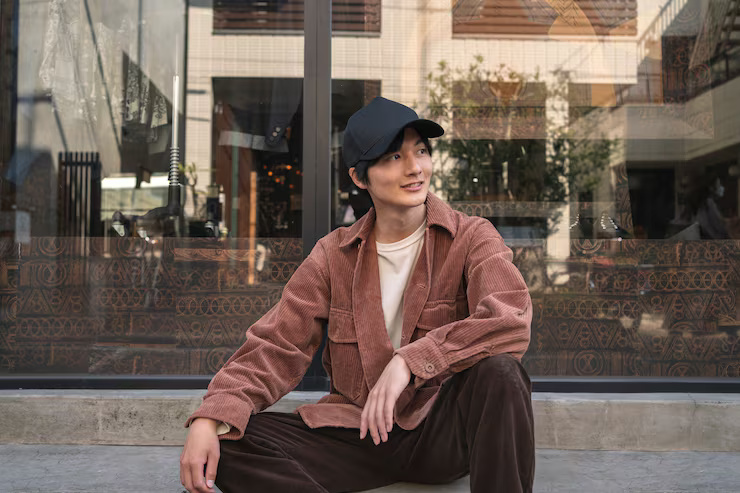
These brands fit naturally into Japanese men fashion because they share the same values.
- Restraint
- Comfort
- Quality and longevity.
None of them rely on loud branding or short-lived trends. They’re designed to be worn, not showcased.
Where This Leaves Me
Japanese city fashion style stays with you because it’s built for real life. It values comfort without carelessness, simplicity without boredom and consistency without stagnation.
Once you start dressing with that mindset, style becomes quieter and more personal. You stop chasing what’s new and start appreciating what works.