Buying a winter coat should be simple, yet many men end up confused by terms like topcoat vs overcoat vs peacoat. The problem isn’t a lack of options. It’s that modern brands often blur traditional definitions, making different coats sound interchangeable when they’re not.
In reality, these coats serve very different purposes. They vary in length, warmth, formality and how they fit into a modern wardrobe. Choosing the wrong one can leave you under dressed, overdressed or simply cold.
Understanding how these coats differ makes it easier to choose the right winter coat based on climate, lifestyle and how you actually dress.
The Quick Verdict
If you want the short answer:
Topcoat: Best for mild to cool winters and smarter outfits
Overcoat: Best for cold climates and maximum warmth
Peacoat: Best for casual wear and everyday use
If you plan to own just one winter coat, your climate and daily outfits matter more than the name on the label.
Topcoat vs Overcoat vs Peacoat: At a Glance
| Feature | Topcoat | Overcoat | Peacoat |
|---|---|---|---|
| Typical Length | Mid-thigh to knee | Knee to below knee | Hip length |
| Weight | Light to medium | Medium to heavy | Medium |
| Warmth | Moderate | High | Moderate |
| Formality | Smart to formal | Formal | Casual to smart casual |
| Best Climate | Mild to cool winters | Cold winters | Mild winters |
| Best With | Suits, tailoring | Suits, winter layers | Jeans, knits |
What Is a Topcoat?
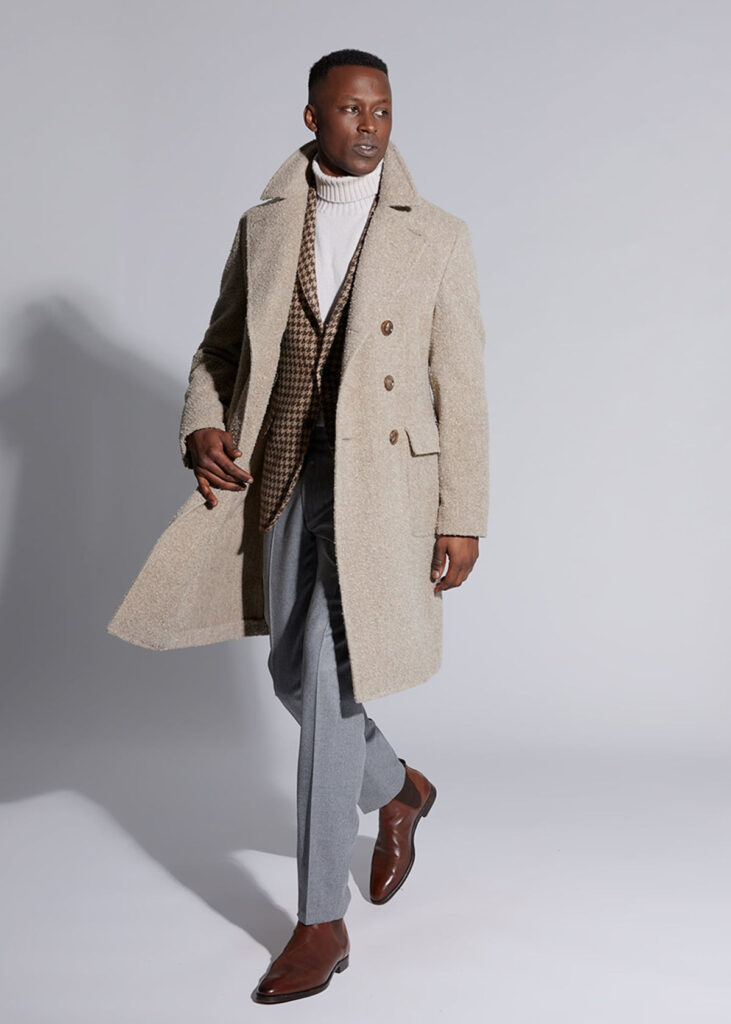
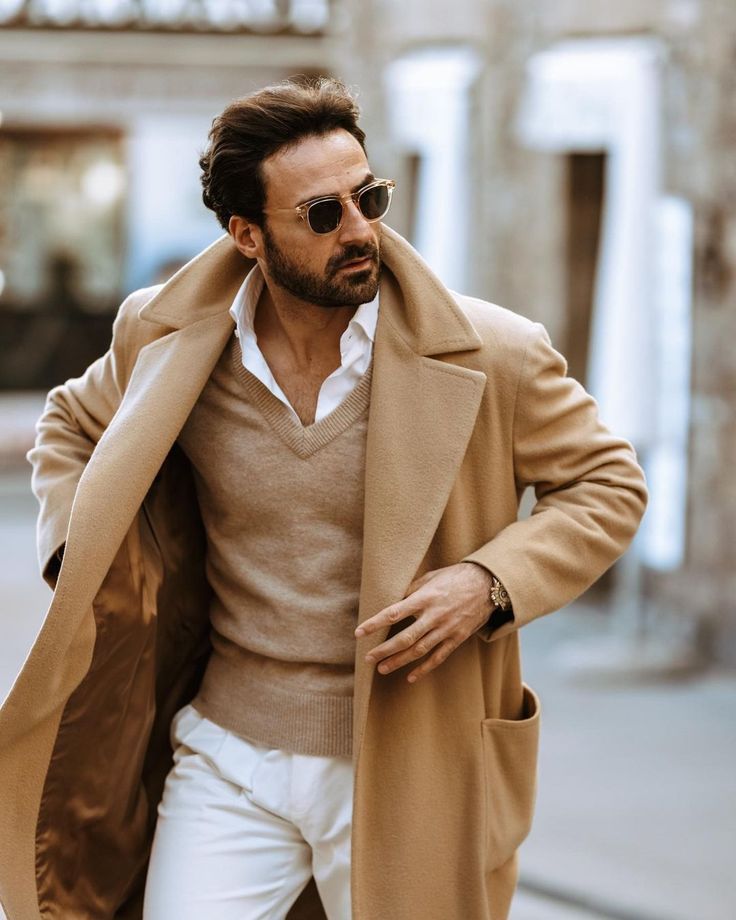
A topcoat is a tailored coat designed to be worn over suits and smart outfits. Traditionally, it was intended for transitional weather rather than deep winter.
Topcoats are usually:
Lighter in weight
Cleaner in silhouette
Shorter than overcoats
Because of this, they feel sharp and refined without looking bulky.
When a Topcoat Makes Sense
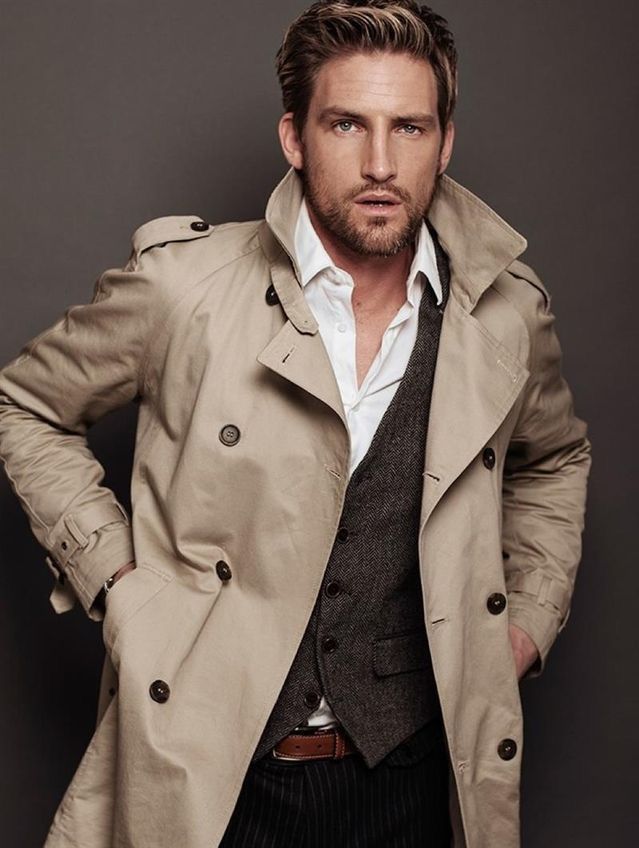
A topcoat is the right choice if:
You live in a city with mild or moderate winters
You wear suits or smart casual outfits regularly
You want a coat that works for the office and evenings
You value style over maximum warmth
A topcoat is about polish and versatility, not extreme protection.
What Is an Overcoat?
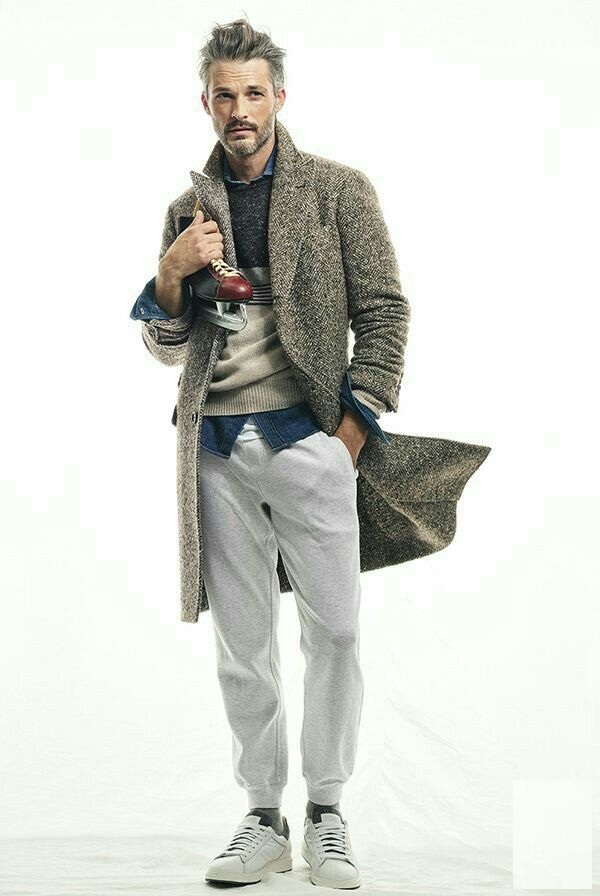
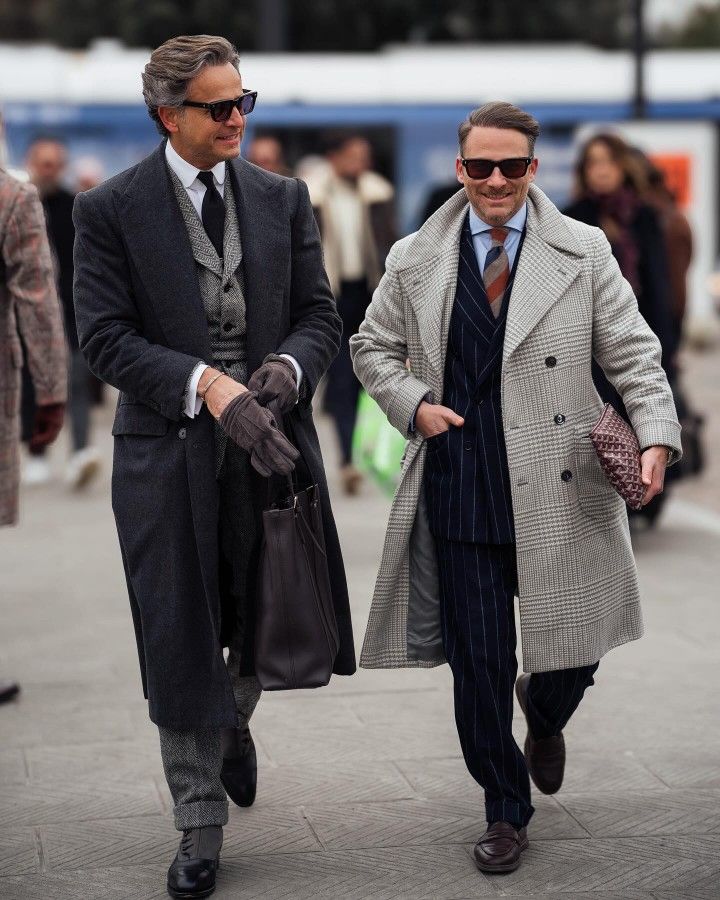
An overcoat is designed first and foremost for warmth. Historically, it was worn over all other clothing to protect the body from cold, wind and harsh winter conditions.
Overcoats are typically:
Longer in length
Heavier and denser
Cut to allow layering underneath
A well made overcoat wool men long style immediately feels more substantial when worn.
When an Overcoat Is the Better Choice
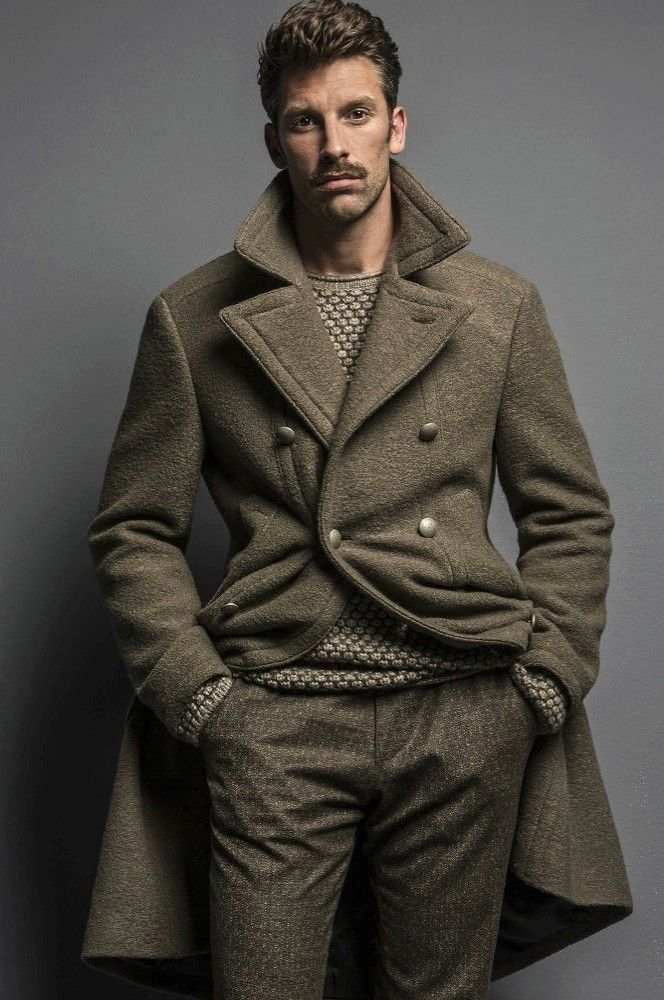
An overcoat makes sense if:
Winters are cold where you live
You commute or walk outdoors regularly
You layer sweaters, blazers or suits underneath
Comfort and warmth matter more than lightness
A wool overcoat for men winter is one of the most reliable investments you can make for cold weather dressing.
Why Length and Weight Matter More Than Names
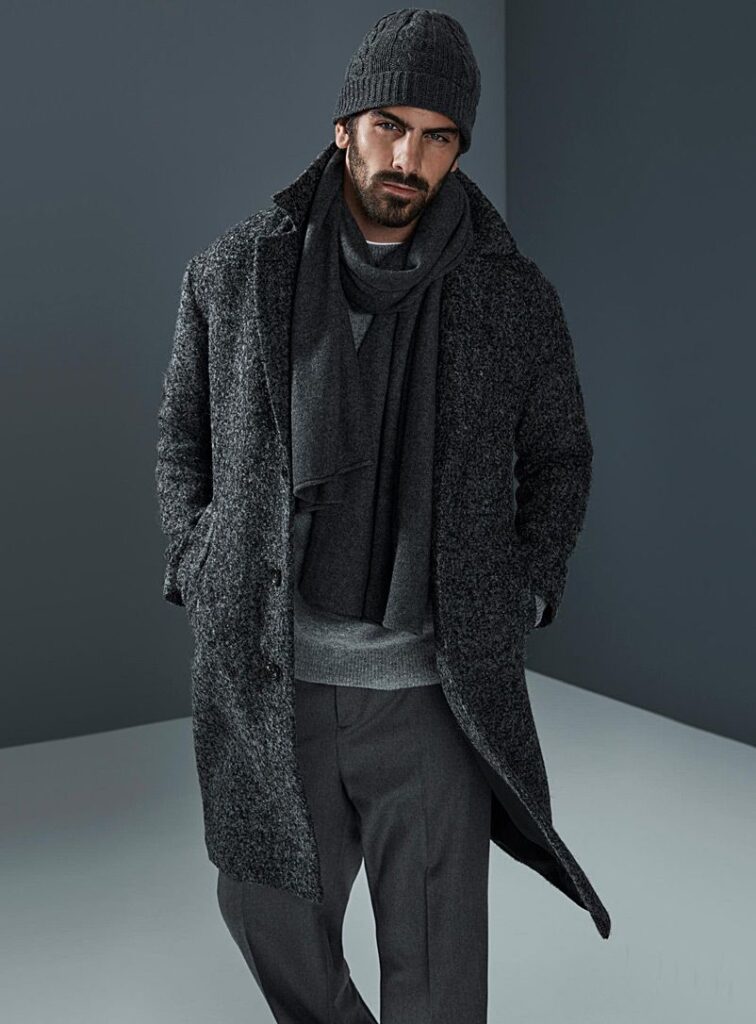
One of the biggest mistakes men make is trusting labels instead of judging the coat itself.
Two coats can both be made from wool and perform very differently. What really matters is:
Length: Longer coats trap heat more effectively
Weight: Denser fabric blocks wind and cold
A properly chosen mens wool overcoat will outperform a lighter coat regardless of how it’s labeled.
Always judge a coat by how it feels on your body, not what the tag says.
What Is a Peacoat?
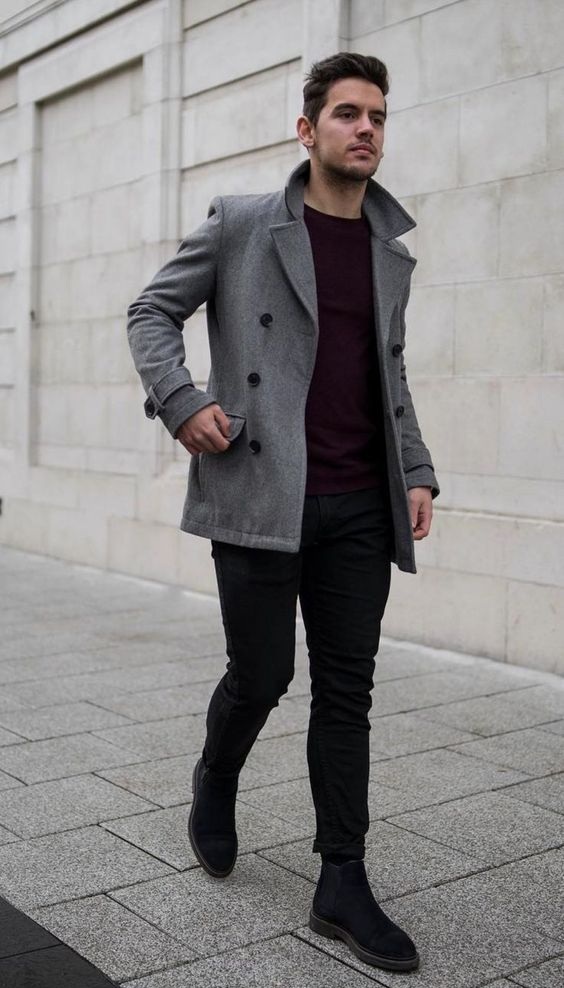
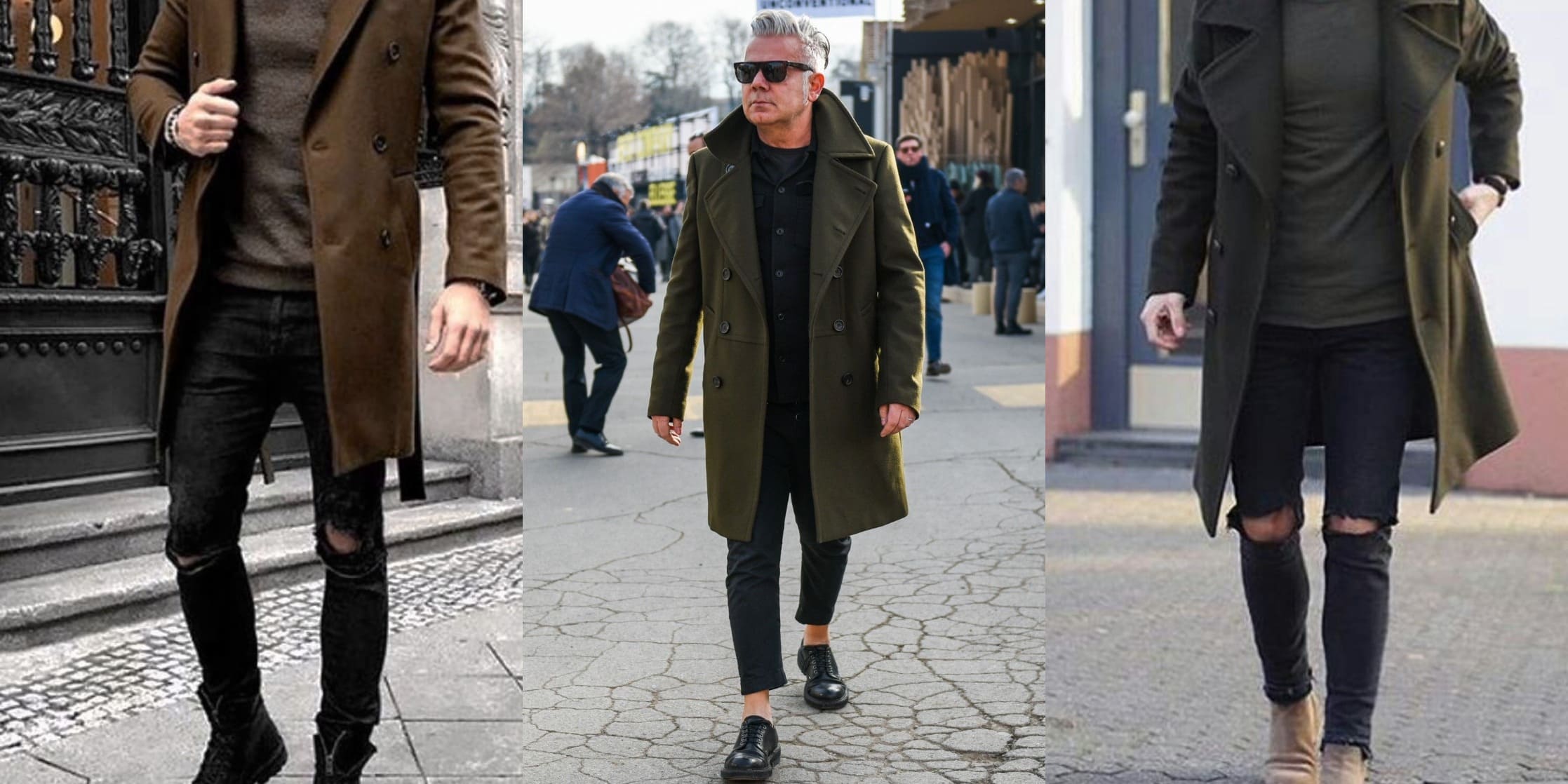
A peacoat is a shorter, double breasted coat with naval roots. Compared to topcoats and overcoats, it leans more casual.
Peacoats are:
Hip length
Structured through the shoulders
Easy to wear with casual outfits
They’re practical, versatile and slightly rugged in character.
When a Peacoat Makes Sense

A pea coat is ideal if:
You dress casually most days
You wear jeans, sweaters and boots
You want an easy everyday winter coat
You rarely wear suits
Peacoats are stylish but less suitable for formal tailoring.
Why Modern Brands Blur the Rules
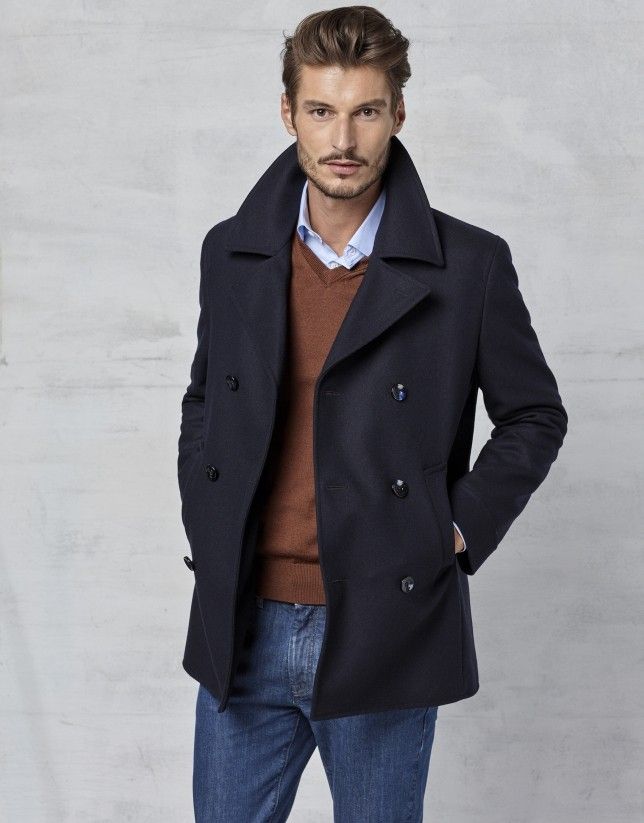
Traditional menswear had strict definitions. Modern fashion does not.
Brands today:
Use familiar terms for marketing
Design hybrid coats that don’t fit classic categories
Prioritise style over technical accuracy
That’s why focusing on function, length and warmth matters more than memorising definitions.
Styling Each Coat the Right Way
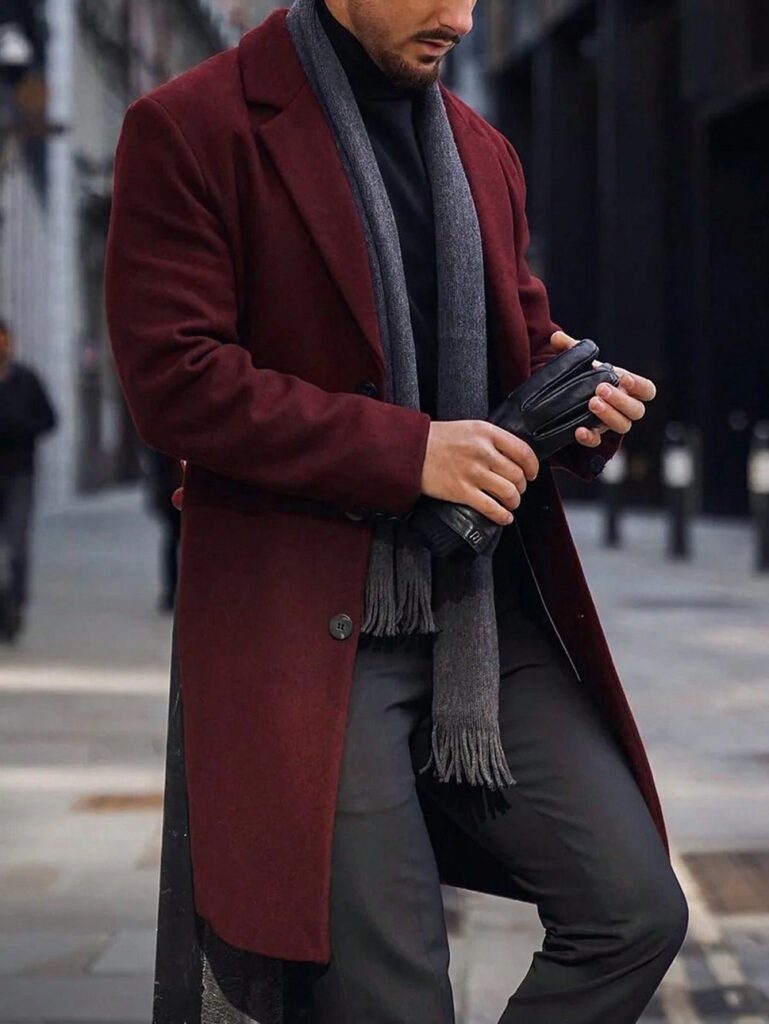
Styling a Topcoat
Best worn with:
Suits
Dress shoes
Smart casual outfits
A topcoat looks clean and professional, making it ideal for offices and formal settings.
Styling an Overcoat
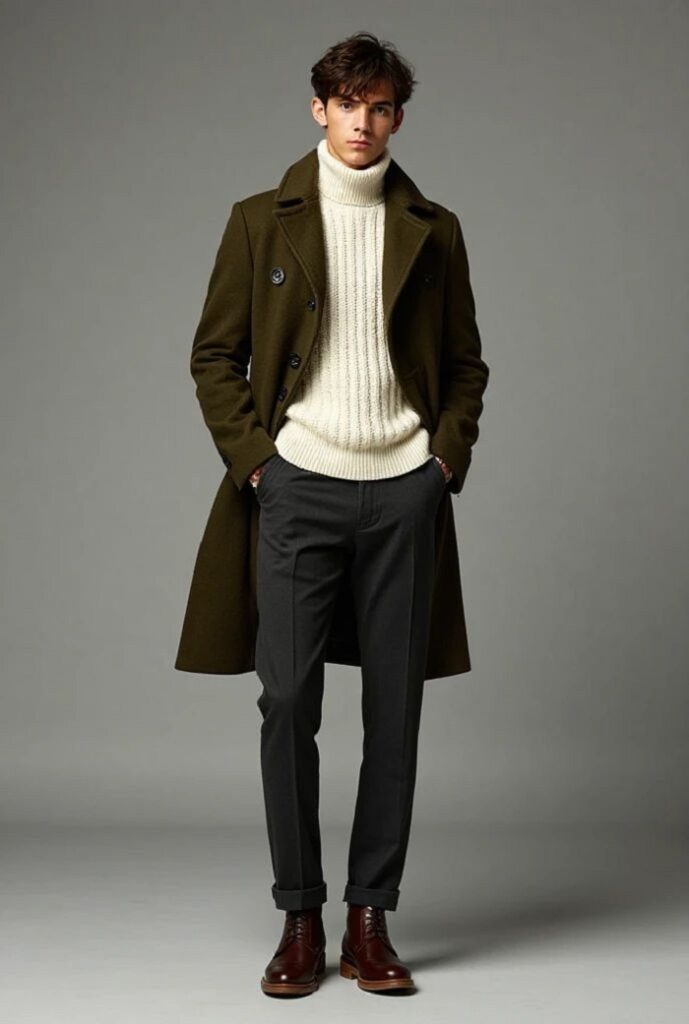
Works best with:
Tailored suits
Boots
Winter layers
An overcoat and scarf men combination is especially effective in cold weather. If you want to elevate the look, learn how to properly Tie a Scarf for Men to add both warmth and style.
Styling a Peacoat
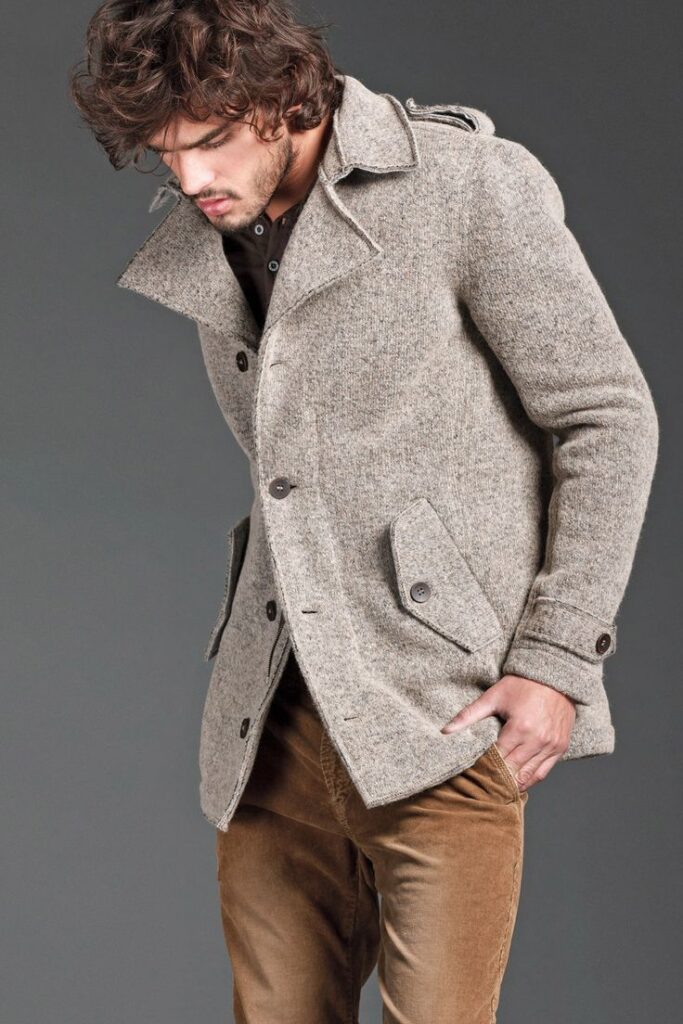
Looks best with:
Jeans
Knitwear
Casual boots or sneakers
Perfect for weekends and relaxed settings.
How Modern Fit Has Changed
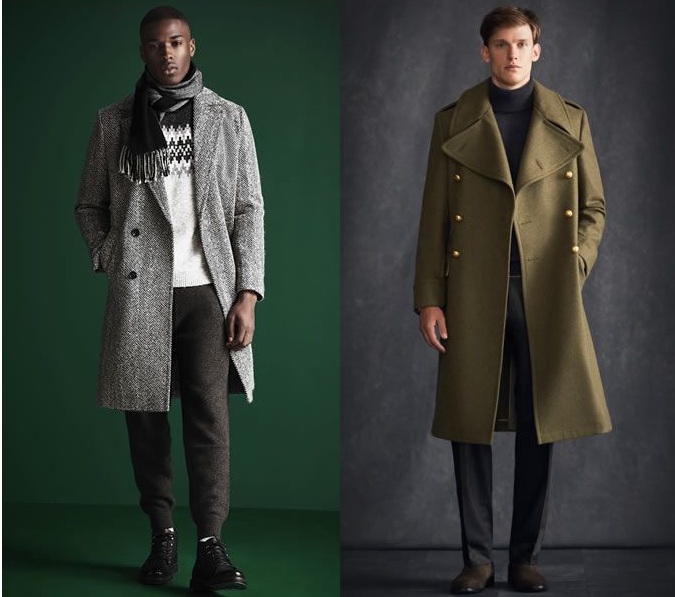
Modern coats are evolving:
Slightly longer lengths are returning
Fits are more relaxed than a decade ago
Layering space is prioritized
A coat that allows movement and layering will always get more wear than one that looks good only on a hanger.
If You Can Only Buy One Coat
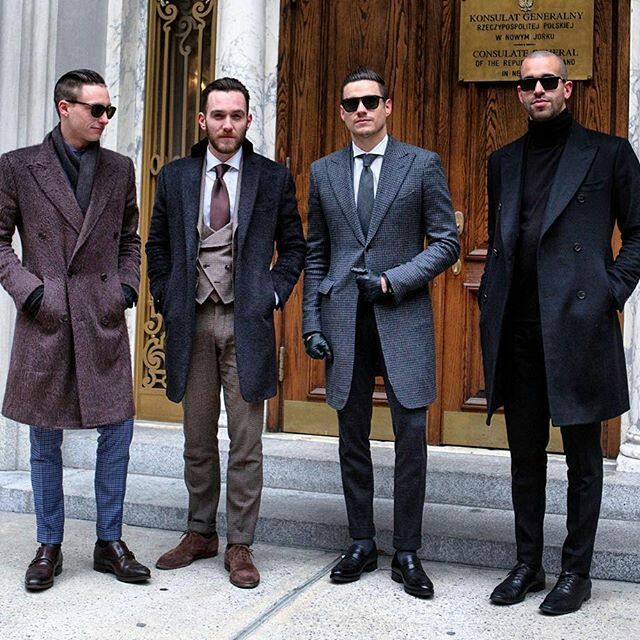
If you’re building a wardrobe from scratch:
Choose a mid weight wool overcoat in a neutral colour
It offers warmth, versatility and long-term value.
Common Buying Mistakes to Avoid
Even good coats fail when chosen poorly. Avoid these mistakes:
Buying too slim and restricting movement
Choosing style over climate suitability
Ignoring coat length for real winter use
Trusting the label instead of the weight
A coat should feel comfortable and practical before it looks impressive.
My Verdict
A topcoat is lighter and sharper.
An overcoat is warmer and more protective.
A peacoat is casual and effortless.
Ignore the marketing names. Focus on how cold it gets where you live and how you actually dress. That’s how you choose the right coat.
FAQs
Topcoat vs Overcoat vs Greatcoat
A greatcoat is heavier and more traditional than both. It’s designed for extreme cold and formal wear, while overcoats and topcoats are more versatile for modern use.
Topcoat vs Overcoat Reddit
On Reddit, debates often focus on climate and versatility. Most users agree that overcoats are better for cold weather, while topcoats suit milder winters and office wear.
Topcoat and Overcoat Difference
The main difference lies in weight, length and warmth. Topcoats are lighter and shorter, while overcoats are longer and built for colder conditions.
Topcoat vs Overcoat vs Trench Coat
A trenchcoat is designed for rain, not insulation. Topcoats and overcoats are winter coats, while trenchcoats are best for wet, mild weather.
Top Coat vs Base Coat
A base coat is a functional under layer. A top coat refers to outerwear worn on top of outfits and should not be confused with grooming or finishing layers.
Top Coat vs Overcoat vs Trench Coat
Topcoats suit smart outfits, overcoats handle cold weather best, and trench coats are ideal for rain and transitional seasons.

Deepak Bhandari has spent 10 years in personal styling, helping men dress with more confidence and less guesswork. He’s the founder of Deepu Fashion, where he writes about style, grooming and everyday outfit ideas that actually work in real life. Follow him on Instagram for daily style tips and inspiration.