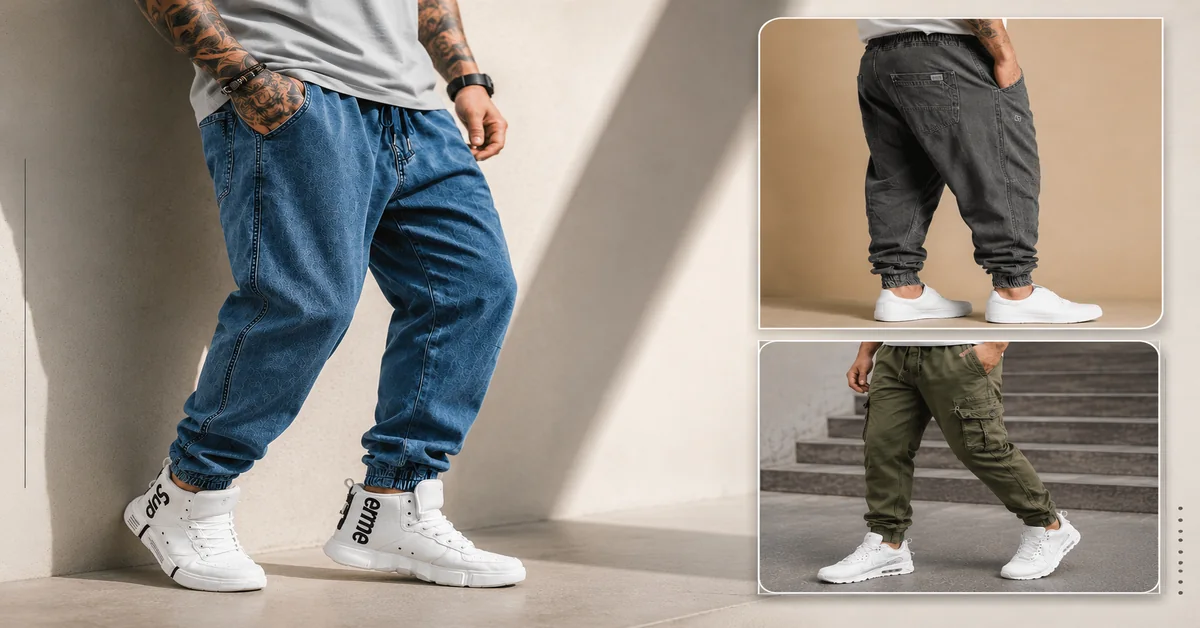
Every pair of joggers has one detail that gives the game away. The elastic band at the ankle. No matter how good the fabric is, that ribbed edge reads as athletic wear the second someone looks down. Drawstring trousers can pass for tailoring because the hem stays open. Joggers can’t. That gathered ankle is always there.
That’s not a flaw. It’s just the thing every jogger outfit has to work with instead of against. Fight it and the whole outfit looks like a gym session that wandered into a restaurant. Build around it and joggers become one of the most comfortable, still-presentable pants a man can own.
Quick answer: Joggers for men work best in a tapered or slim fit. Choose a fabric with some body to it, like cotton twill or a wool blend, rather than basic fleece. Pair them with a button-down shirt, a fitted sweater or a casual blazer to offset the sporty signal at the ankle. Finish with clean sneakers. Keep the leg narrow rather than baggy, since looseness above an elastic hem reads sloppy rather than relaxed.
The rest of this covers why that ankle detail decides everything, which fabric and fit hold up outside the gym, how to dress joggers up or mens joggers style guide without fighting what they are and where they sit next to sweatpants, drawstring pants and chinos.
Why That Ankle Detail Changes Everything
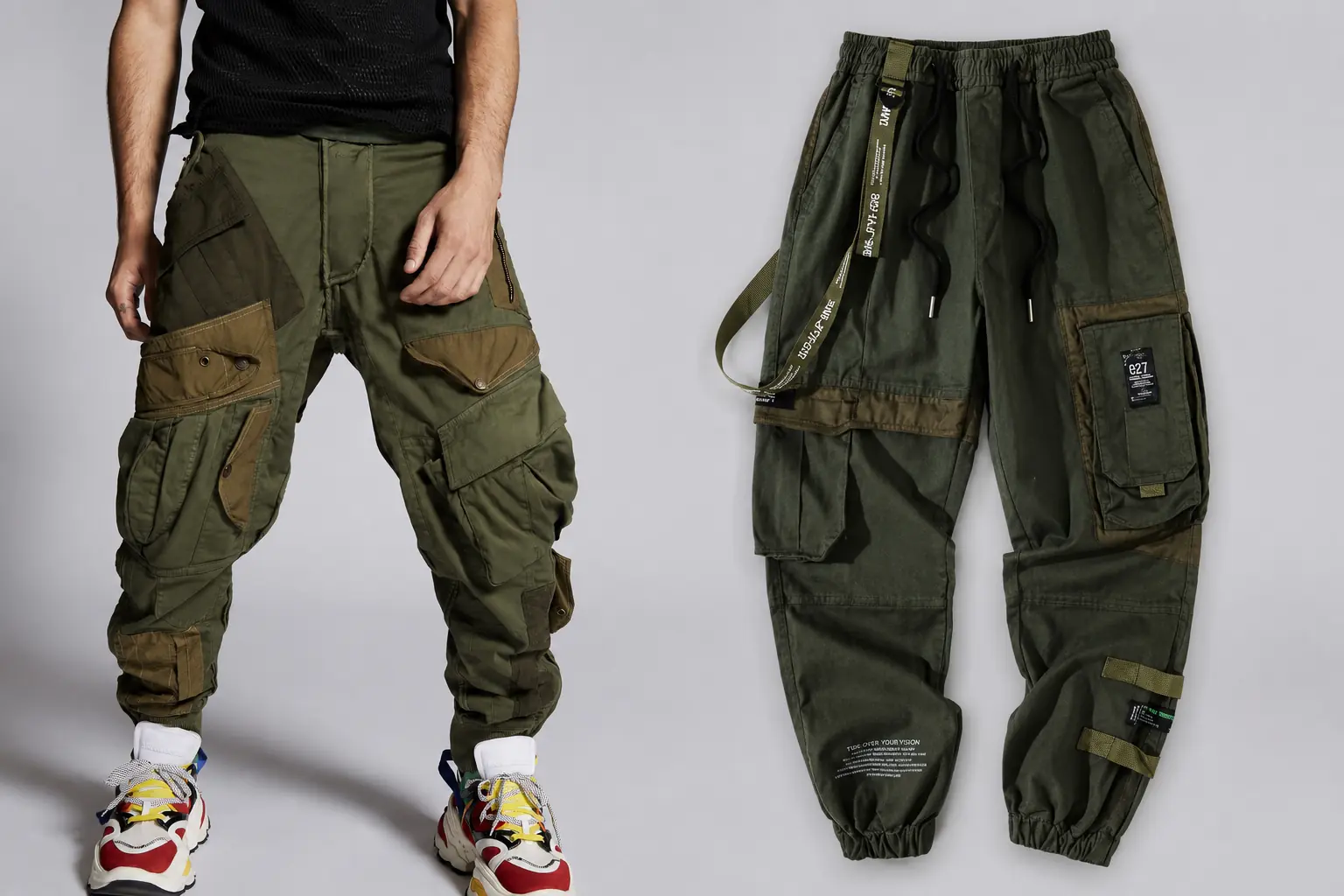
Every other trouser in a mens wardrobe has an open hem. Chinos, dress pants, even the more relaxed drawstring styles all end in a straight line at the shoe. Joggers end in a ribbed band that gathers the fabric in. That single detail is the entire reason joggers read as sportswear no matter what else changes.
This is worth understanding before buying a pair, because it changes what “dressing joggers up” really means. It’s not about hiding the ankle band. It’s about giving everything above it enough shape that it reads as a design detail instead of the whole outfit’s personality.
Joggers started as pure gym wear: loose, elastic everywhere, built for movement and nothing else. What changed is the fabric and the leg shape. Modern joggers narrow cleanly through the thigh and ankle. Premium versions use cotton twill, wool blends or heavier French terry instead of basic fleece. The cuffed hem stayed. Everything around it got better.
Fit and Fabric Worth Buying
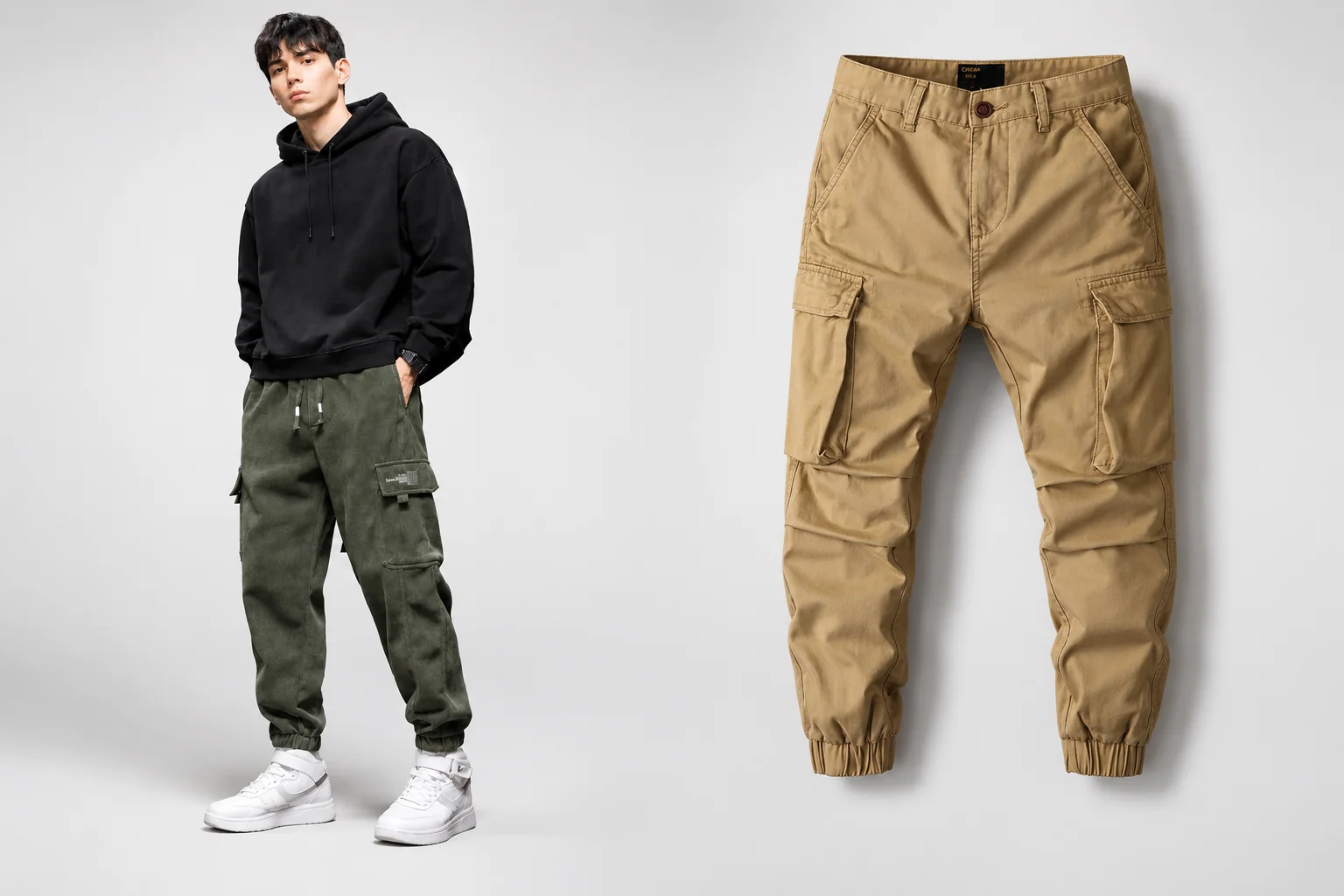
A tapered leg is the right call for almost everyone. It keeps the silhouette clean above the ankle. The whole trouser reads as a considered shape rather than baggy sweatpants that happen to narrow at the bottom. Slim fit works too, particularly for anyone wanting joggers to read closer to a pair of dress trousers.
Avoid true baggy joggers unless the goal is a full streetwear look. A loose leg sitting above a tight elastic hem creates an odd silhouette. If you want genuine volume through the leg without the elastic hem working against it, wide leg trousers solve that better than a baggy jogger ever will.
Fabric decides how far a pair travels from the gym. Basic fleece and jersey stay in lounge wear territory no matter how they’re styled. Cotton twill, ponte knit and wool blends hold shape and drape closer to a real trouser. That’s what makes them work under a blazer or with a button-down Cuban collar shirt. Terry cloth sits in between. Comfortable enough for a lazy weekend, sturdy enough to survive a casual Friday if the rest of the outfit is doing its job.
Dressing Joggers Up Without Fighting Them
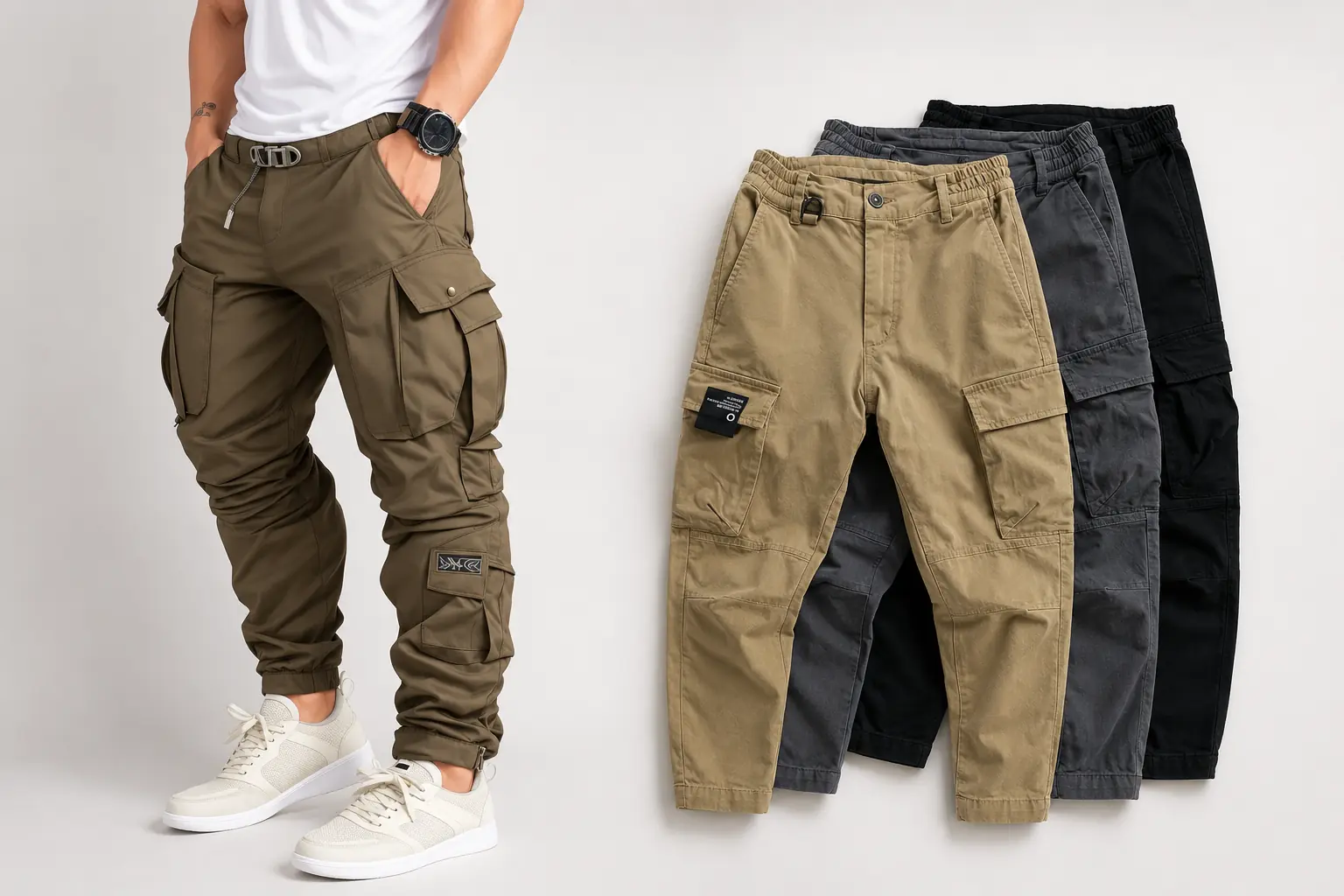
A button down shirt is the fastest way to shift joggers toward smart casual. The collar and shape do the opposite job of the cuffed ankle, pulling the outfit’s attention upward. Rolled sleeves and an untucked hem keep it from looking stiff. Tucking in tends to create an awkward break at the waist that undercuts the whole effort.
A blazer works the same way, just with more force. A grey or navy blazer over a plain t shirt does the job well. Pair it with joggers in the same color family as the jacket for something that reads considerably more together than the pieces would suggest on their own. This is close to the same logic that runs through most reliable smart casual outfits: shape on top, ease below.
A fitted sweater or cardigan does similar work in colder months, particularly in cashmere or a fine-gauge wool that reads dressier than a hoodie. A shawl collar cardigan over a collared shirt with narrow-leg joggers underneath is a genuinely underused combination for anything between casual and smart casual joggers outfit.
None of this means avoiding a hoodie entirely. It just moves the outfit fully into streetwear rather than smart casual, which is a different, equally valid goal. The mistake is expecting a hoodie-and-joggers combination to read as anything other than athletic, then being surprised when it does.
In my own rotation, a black t-shirt with light grey or brown joggers and white sneakers is the combination I come back to more than anything else. It’s an easy one to repeat without thinking too hard about it and it’s comfortable in practice, not just comfortable looking on a hanger. I’ve worn Jack & Jones joggers for a while now and they hold up well, though they run a bit pricier than what I’d normally reach for. One thing I’ve learned by trial and error: loose shirts, especially camp collar or Cuban collar styles, don’t work as well for me with joggers as a properly fitted t-shirt does. The loose shirt and the loose leg end up fighting each other instead of balancing out. Fit on top, ease below, has been the more reliable formula in practice.
Where They Belong
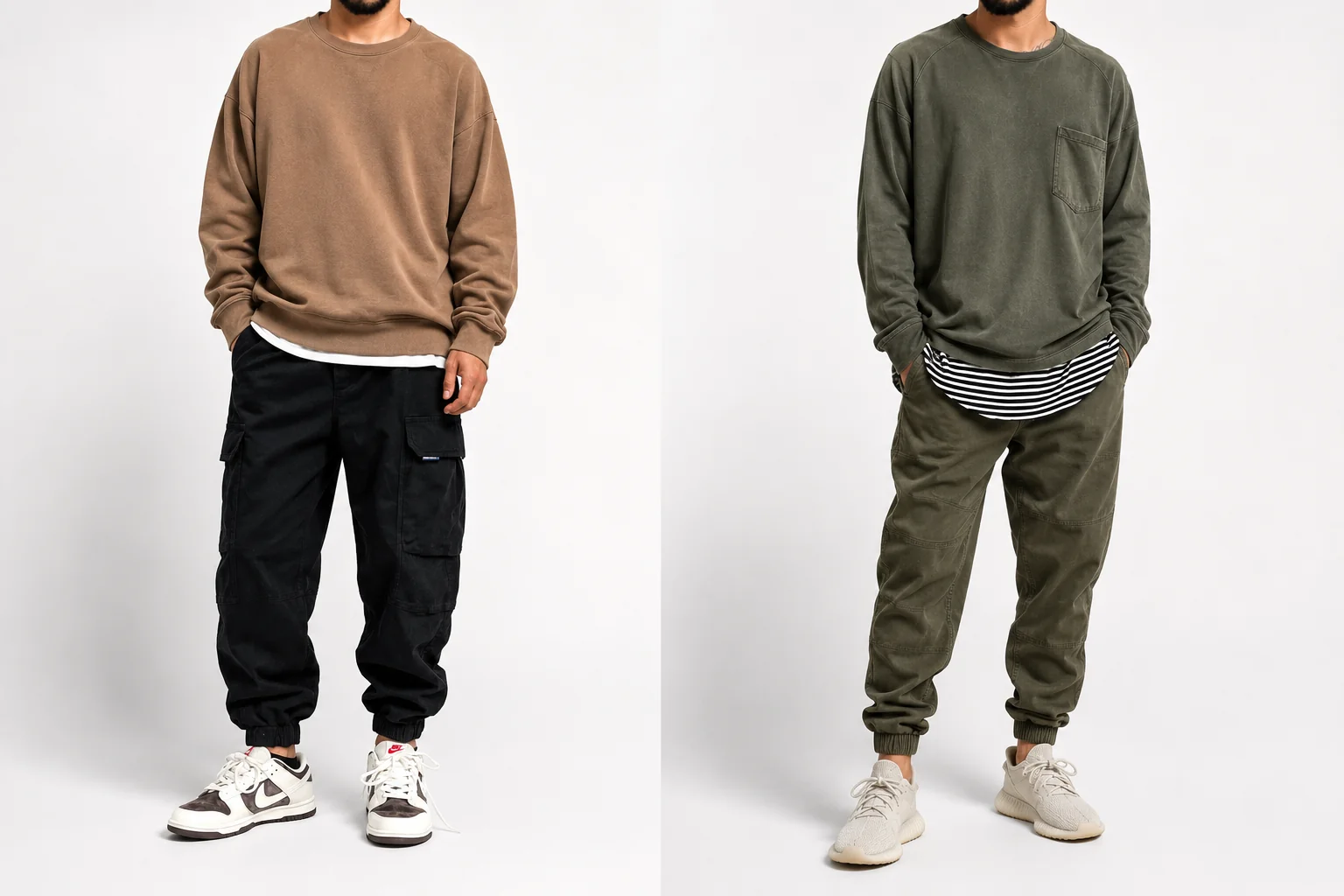
Travel is the clearest use case. Joggers move like sweatpants and hold their shape well enough to survive a long flight. They still look reasonable on arrival, which is more than most comfortable pants can claim. Casual Friday is the next most common outfits, provided the office culture allows it and the pair leans toward wool blend or cotton twill rather than fleece.
Streetwear is where joggers started and still work best without much effort. A plain tee or oversized hoodie, chunky sneakers and joggers in a dark, low branding cut cover most casual days without overthinking it.
Joggers rarely belong at truly formal events. No fabric or styling trick moves an elastic-hemmed trouser into that territory. Even business casual joggers have their limits. Treating them like a suit-adjacent option usually reads as a miscalculation rather than confidence.
Shoes That Work With the Ankle Detail
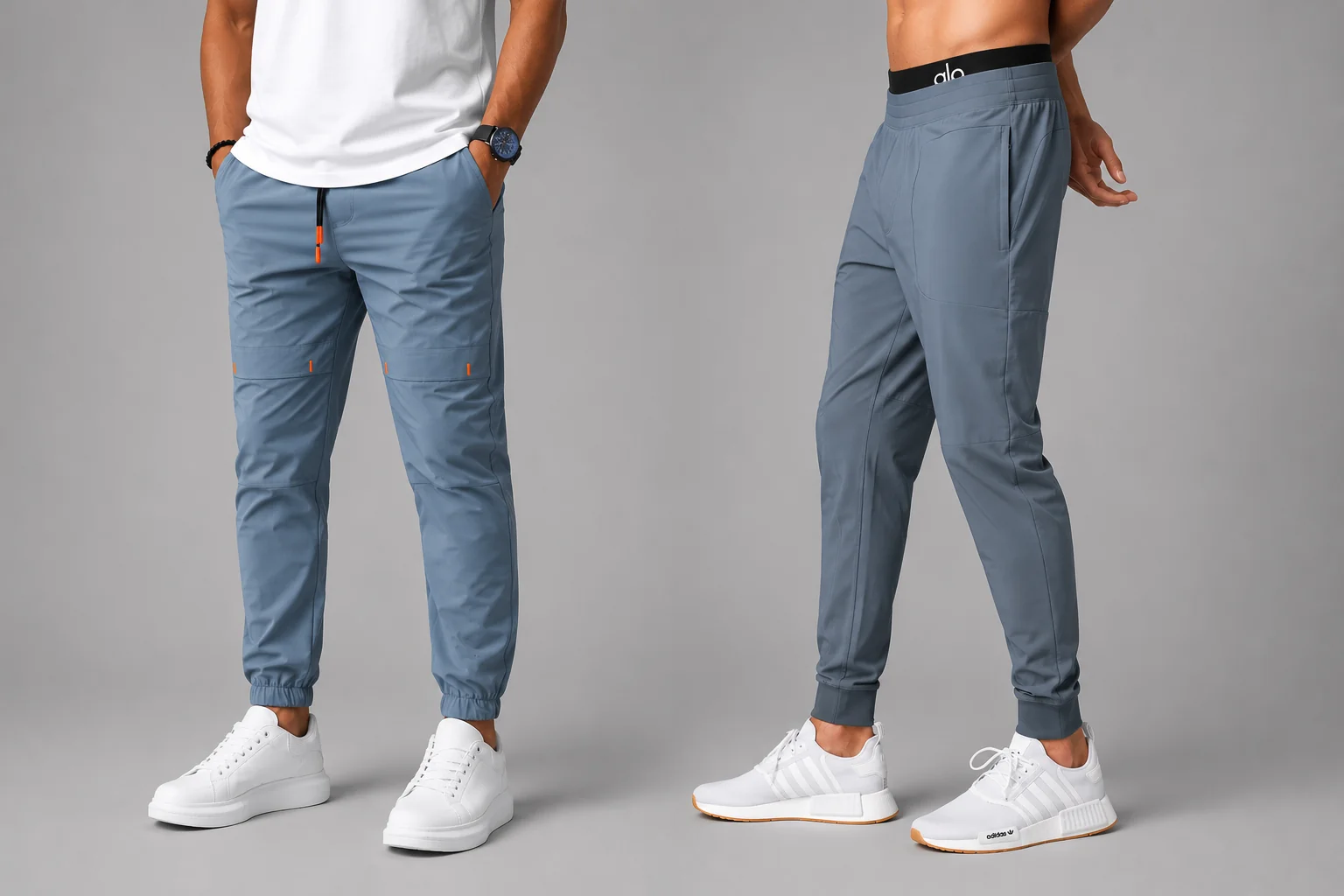
Footwear needs to acknowledge what that hem is already saying, not fight it. Clean white or black sneakers are the safest, most versatile choice. They work across streetwear and smart casual alike. Chunky or heavily branded sneakers push the whole look further into athletic territory, which is fine for streetwear but works against anything dressier.
Loafers are the one pairing most men overlook. Slip-on loafers under narrow-leg joggers close the gap between the sporty ankle and everything above it working harder to read as intentional. This works especially well in a sturdier fabric. Casual Boots do similar work in colder months, particularly with heavier joggers in wool or twill. The best shoes to wear with almost anything in rotation covers the full range worth owning.
Joggers Next to Sweatpants, Drawstring Trousers and Chinos
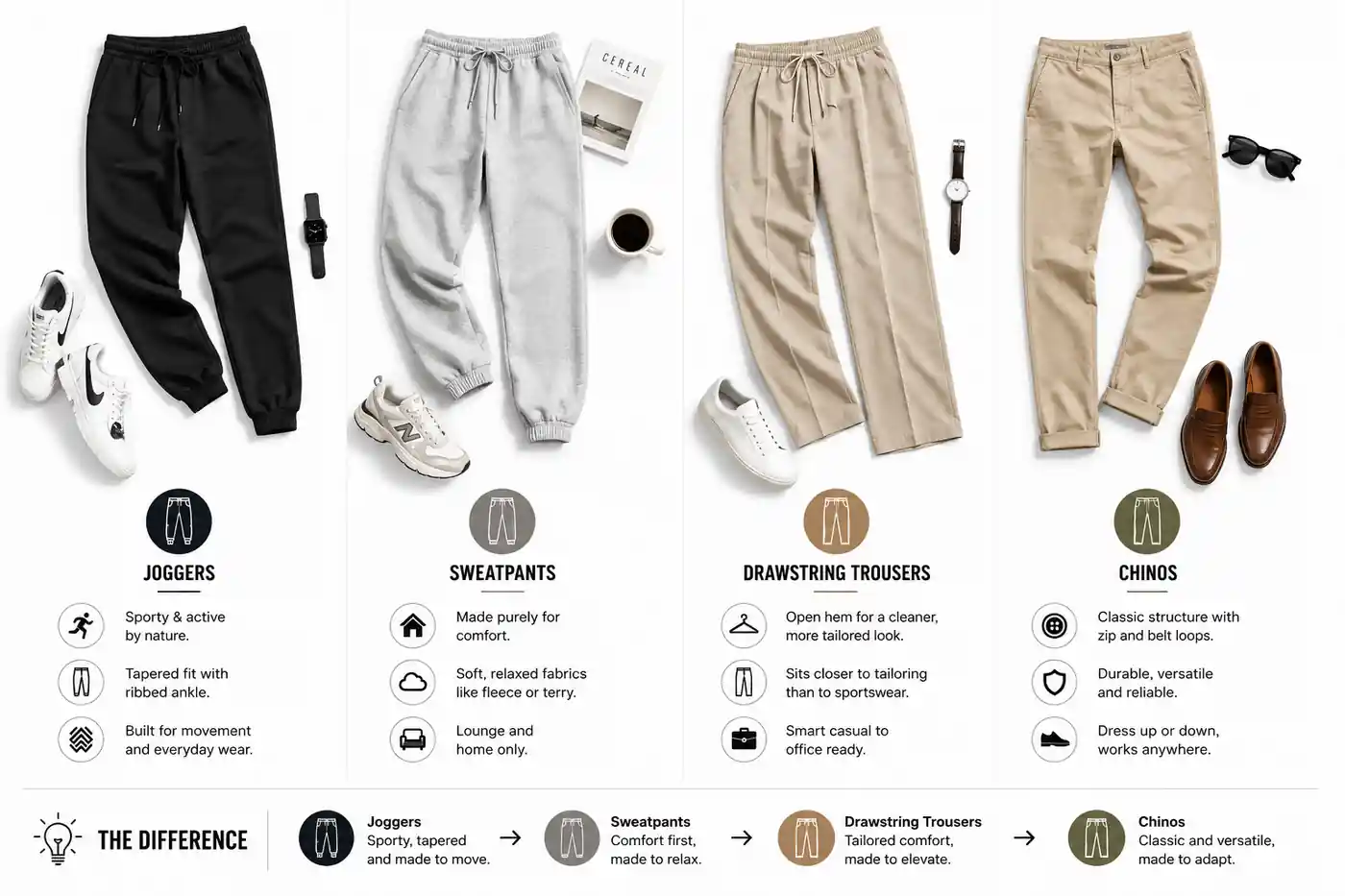
Against sweatpants, the difference is mostly about intent and fabric. Sweatpants are built purely for comfort, usually in soft fleece with minimal shaping. Joggers add a narrower leg and, in better versions, a fabric that holds its shape, which is why one stays confined to the house and the other doesn’t.
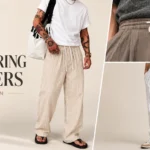
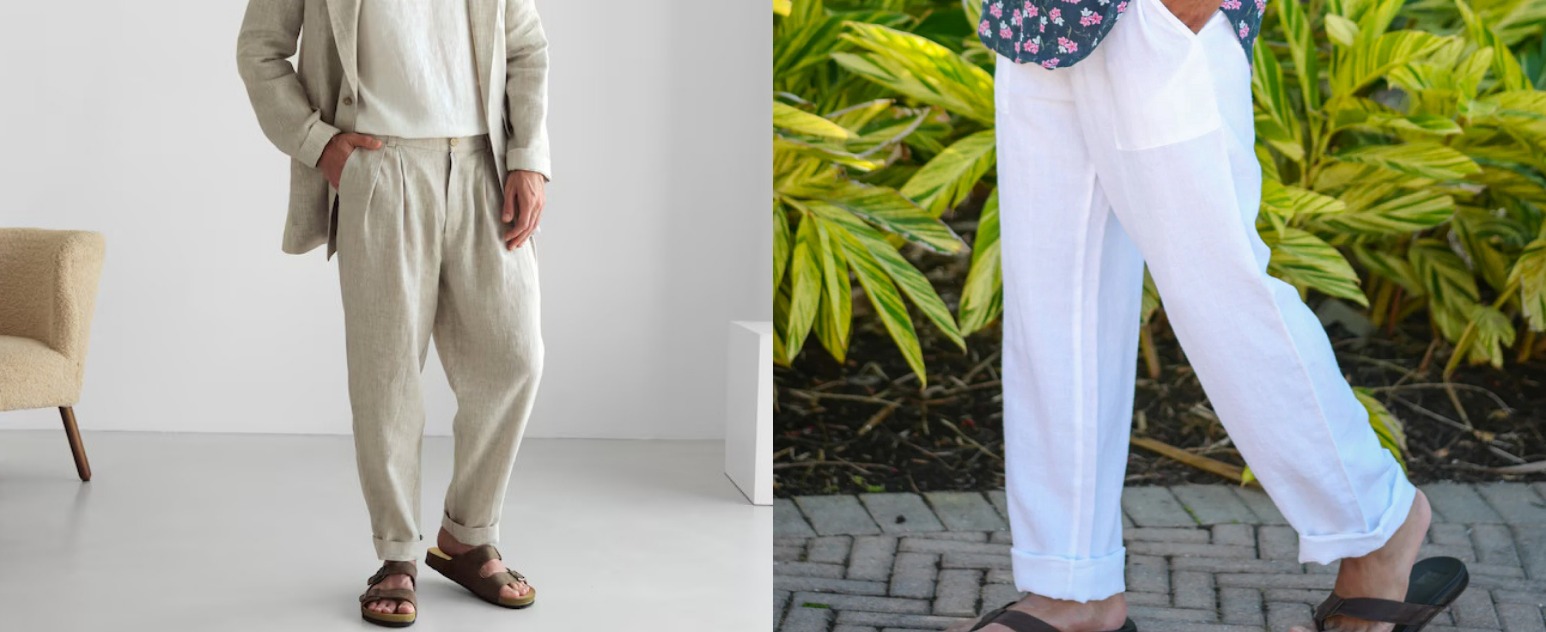
Against drawstring trousers, the difference comes down to that one detail covered earlier. They keep an open hem and read closer to tailoring. Joggers keep the gathered ankle and read closer to sport, no matter how premium the fabric gets. Both solve the same basic problem, comfort without looking like loungewear, but from opposite directions.
Against chinos, joggers trade the traditional closure and structure for comfort and stretch. A narrow-leg jogger in a heavier cotton can sit close to chino territory when styled right. The ribbed hem keeps it from ever being a full substitute in truly formal settings.
Getting the Fit Wrong
Going too baggy above the ankle band is the most common mistake, creating a shape that looks accidental rather than relaxed. Choosing pure fleece for anything beyond a lazy day at home is the second. It locks the whole outfit into loungewear no matter what’s worn on top. Pairing joggers with a hoodie and expecting a smart casual result is the third mistake worth naming directly. It asks the outfit to do something the pieces were never built to do.
Caring for Them
Wash according to fabric, the same rule that applies to any trouser doing double duty as comfortable and presentable. Cotton twill and ponte joggers handle a normal cold wash fine. Wool-blend pairs do better on a delicate cycle or hand wash to protect the drape. Skip high heat in the dryer across ribbed hems and waistbands specifically. That’s where elastic wears out fastest and loses its shape.
Frequently Asked Questions
Can joggers be worn to the office?
In relaxed, casual Friday meetings, yes, especially in wool blend or cotton twill paired with a blazer. In more traditional offices, save them for weekends.
What’s the difference between joggers and sweatpants?
Sweatpants are built purely for comfort in soft fleece with minimal shaping. Joggers add a narrower leg and, in better versions, a sturdier fabric that holds its shape outside the house.
What shoes go with joggers?
Clean shoes like sneakers, loafers for a versatile, everyday look. Loafers for something dressier. Boots in colder months with a heavier fabric.
Are joggers still in style?
Yes. Better fabrics and fitted have kept joggers relevant well past their original gym wear identity, particularly for travel and smart casual dressing.
Weighing Them Against the Rest of the Closet
Joggers are one option among several for men who want comfort without giving up a finished look. That’s true alongside drawstring trousers and the more relaxed end of chinos. For the full picture of how every trouser style fits into a modern wardrobe, the guide to trouser styles for men covers where this one sits relative to everything else.
That gathered ankle was always going to be there regardless of what else changed. The only real decision is what happens above it.

Deepak Bhandari has spent 10 years in personal styling, helping men dress with more confidence and less guesswork. He’s the founder of Deepu Fashion, where he writes about style, grooming and everyday outfit ideas that actually work in real life. Follow him on Instagram for daily style tips and inspiration.