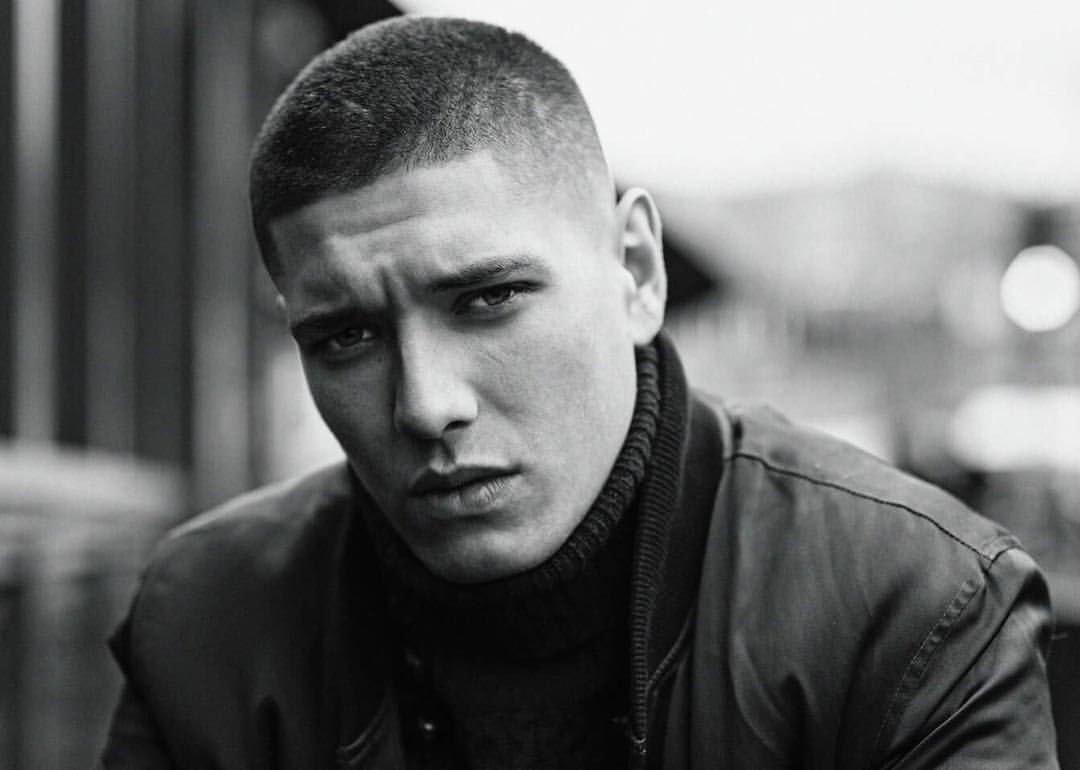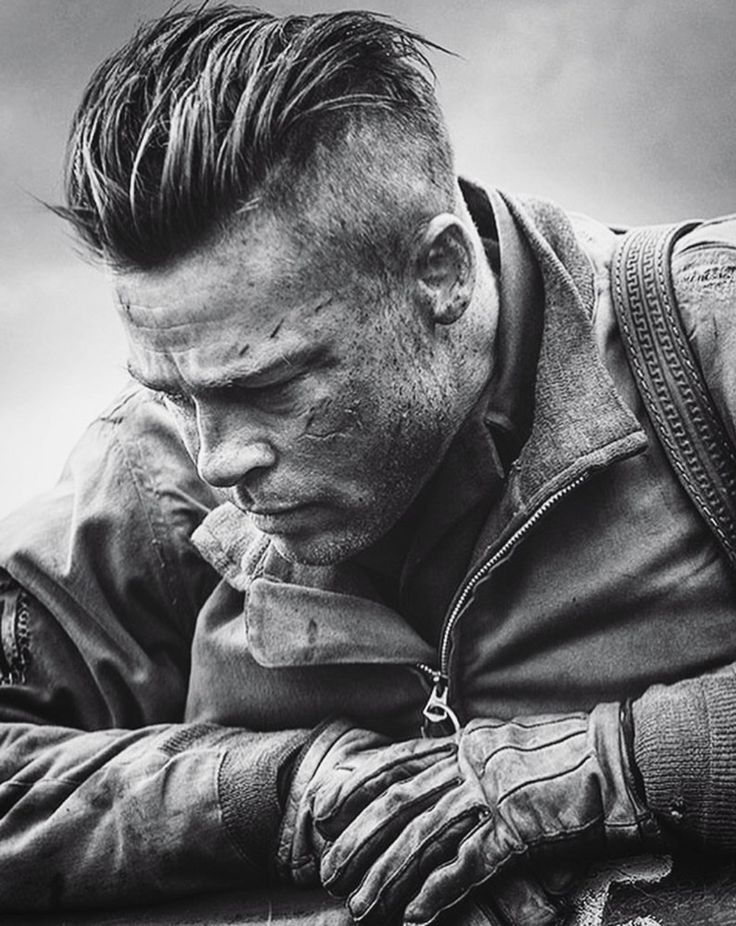
Half the “military haircut” lists online are the same six cuts wearing different names. Recon cut, skin fade crop, tactical fade — peel off the marketing name and you’re staring at a high and tight for the third time in one article. So I checked what’s written regulation versus what barbers call these cuts when you’re sitting in the chair and where the real differences sit. Walk in with the wrong name and you walk out with the wrong haircut.
Sixteen cuts here, not the usual bloated thirty plus. Every one earns its spot on this list. None of them are just the same fade wearing a new adjective.
Not Just for Guys in Uniform
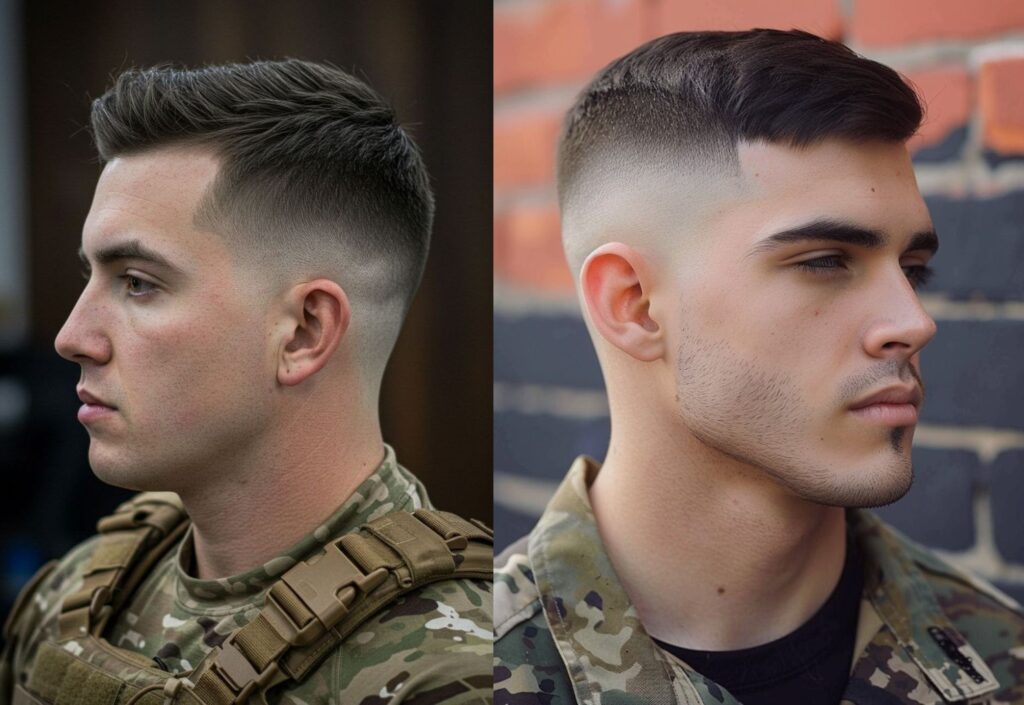
You don’t need to be enlisted to want this look. Most men typing “military style haircuts men” into Google are after the low-maintenance, sharp edged discipline of it, not the regulation that comes with it. A smaller group is heading into basic training and wants to know what’s coming. Both are covered here — I have marked which cuts stay strictly service-only and which ones any barber will hand a civilian without a second thought.
Military Haircuts: Quick Comparison
Compare guard length, maintenance and the face shapes each haircut suits best
| HAIRCUT | GUARD NUMBER | MAINTENANCE | BEST FOR |
|---|---|---|---|
| Induction Cut | 0, no guard | Extremely low | Basic training, strong bone structure |
| Buzz Cut | 1–2 all over | Very low | Square, oval faces |
| Burr Cut | 1–2 | Very low | Oval, round faces |
| Butch Cut | 3–5 | Low | Square faces |
| Crew Cut | 2–4 on sides, longer top | Low | Oval, square faces |
| High and Tight | 0–1 sides, 2–5 top | Low | Square faces, athletic builds |
| Regulation Cut | Varies by style | Low-medium | Most face shapes |
| Flat Top | 1–2 sides, level top | High | Square faces |
| Ivy League | 2–3 sides, finger-length top | Medium | Oval, heart-shaped faces |
Sixteen, Explained One at a Time
Not every entry here is regulation compliant and not every cut a barber calls “military” started in the military. I have kept the service cuts and the civilian versions built off them separate, so you are not guessing which is which.
1. Induction Cut
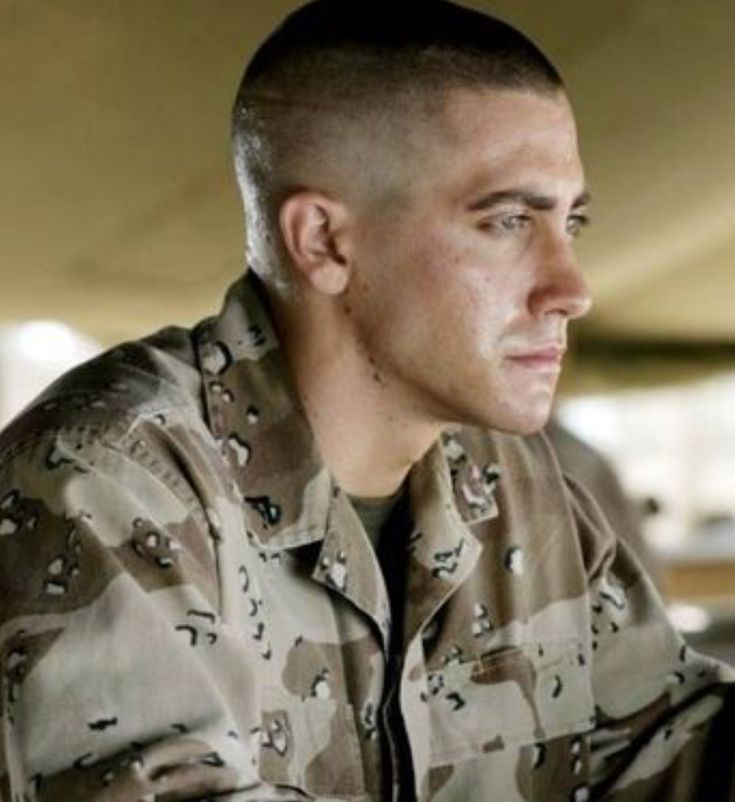
This is the one you get on day one of basic training. Clippers with no guard, straight to stubble. Some guys call it “the floor cut” because that’s roughly how much hair ends up there. It isn’t really a style choice — it’s what happens before you’re issued a style choice. Keep it separate from a fully shaved head, which is a razor taking hair past stubble down to bare skin. An induction cut still leaves clipper-length growth you can feel; a shaved head doesn’t.
Guard: 0 or no guard
Best for: Strong jawline and skull shape, since there’s nowhere to hide either
Product: None needed
2. Buzz Cut
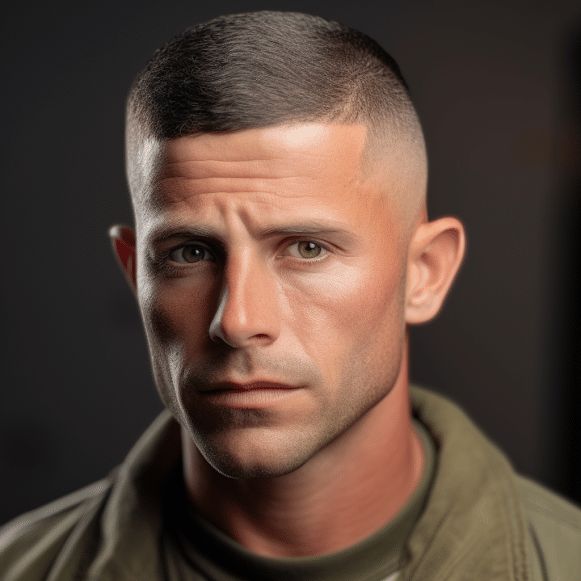
The buzz cut is the induction cut’s civilian cousin and it’s what most guys mean when they say “military haircut” without thinking too hard about it. Same length everywhere, guard 1 or 2 instead of bare skin. It grows out evenly and that’s the whole reason it’s stuck around for 80 years — there’s no bad phase between cuts. It also doubles as one of the more practical summer haircuts for men, since there’s nothing on top to trap heat.
Guard: 1–2 all over
Best for: Square and oval faces
Product: A small amount of matte clay if you want any texture at all, though most guys skip product completely
3. Burr Cut

Softer than an induction cut, shorter than a buzz cut with a guard 3. It’s the middle setting nobody talks about because it doesn’t photograph as dramatically as the other two, but it’s what a lot of guys ask for once they’ve had the induction cut and decided guard 0 was a bit much.
Guard: 1–2
Best for: Oval, round faces
Product: None
4. Butch Cut
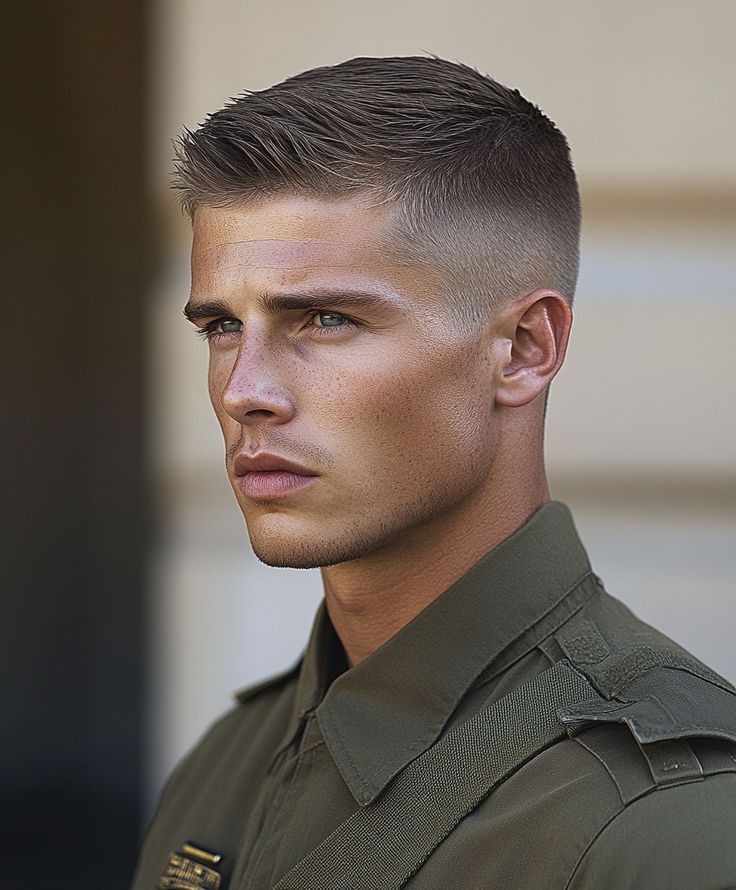
Same idea as a burr cut, just longer — guard 3 to 5 instead of 1 to 2. This is where a military-style cut starts to look less severe and more like an ordinary short haircut that happens to be even all over.
Guard: 3–5
Best for: Square faces
Product: A touch of pomade for a slight forward direction at the front
5. Crew Cut
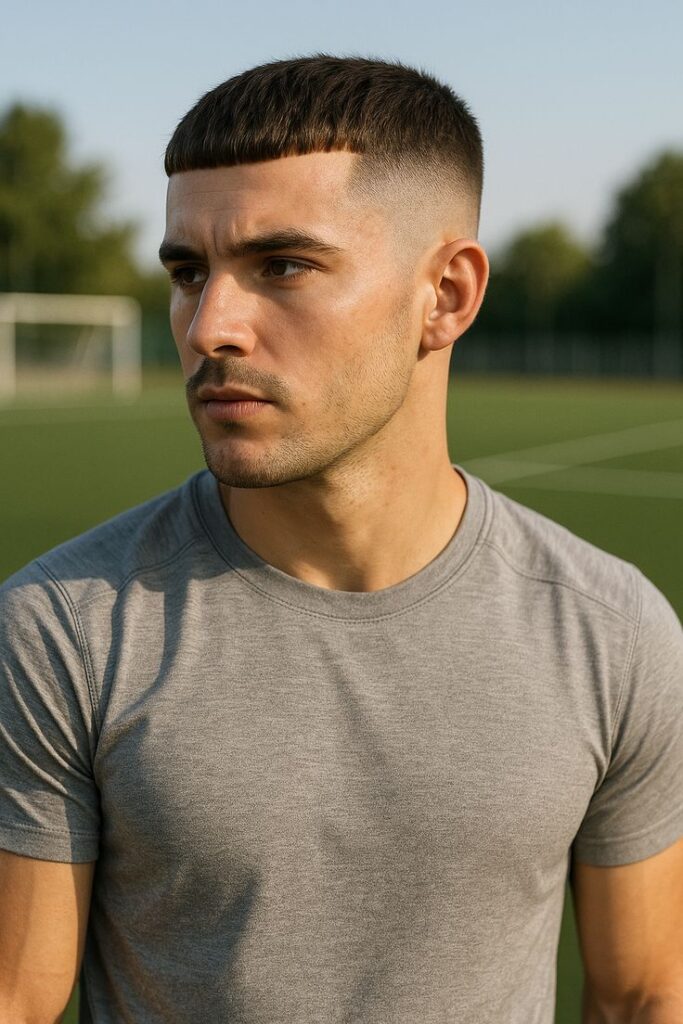
The crew cut is the first one on this list with real shape — short sides tapering into a slightly longer top instead of one flat length. WWII troops popularized it and it’s still the cut most business-casual offices consider safe. Ask for a guard 2 to 4 on the sides with the top left long enough to run product through. It’s also a fixture on any broader short haircuts for men list, military-linked or not.
Guard: 2–4 sides, longer top
Best for: Oval, square faces
Product: Matte clay for texture on top
6. High and Tight

This is the one most people picture when they hear “military haircut,” and it’s a genuine Marine Corps signature. Sides shaved to skin or guard 0, with an oval patch on top left at a guard 2 to 5 — barbers call this the “landing strip.” There’s a harder version too, sides shaved completely with zero blending into the top, which newer guides market as a “recon cut.” It’s not a different haircut. It’s a high and tight with the fade skipped. David Beckham has worn versions of it and Brad Pitt’s Fury haircut pulls from the same high-fade family — which is a fair chunk of why barbers say they get more requests for it from guys with no service background at all.
Guard: 0–1 sides, 2–5 top
Best for: Square faces, athletic builds
Product: Small amount of pomade on top only
7. Regulation Cut
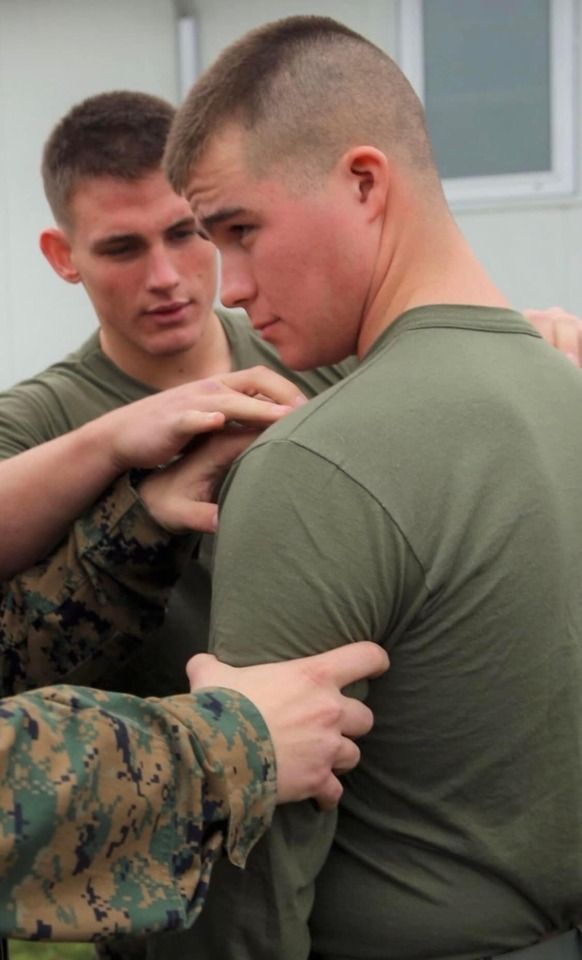
Confusingly, “regulation cut” doesn’t mean “a haircut that follows regulations” — it’s a specific style. Sides and back shaved close enough to show scalp, called a “whitewall,” top parted cleanly to one side.
How high that whitewall runs gives you low, medium or high regulation. It dates back to WWI, when soldiers needed short hair under heavy helmets in the cold.
Guard: Sides shaved close (whitewall height varies), top left for a side part
Best for: Most face shapes
Product: A firm-hold pomade to keep the part crisp
8. Flat Top
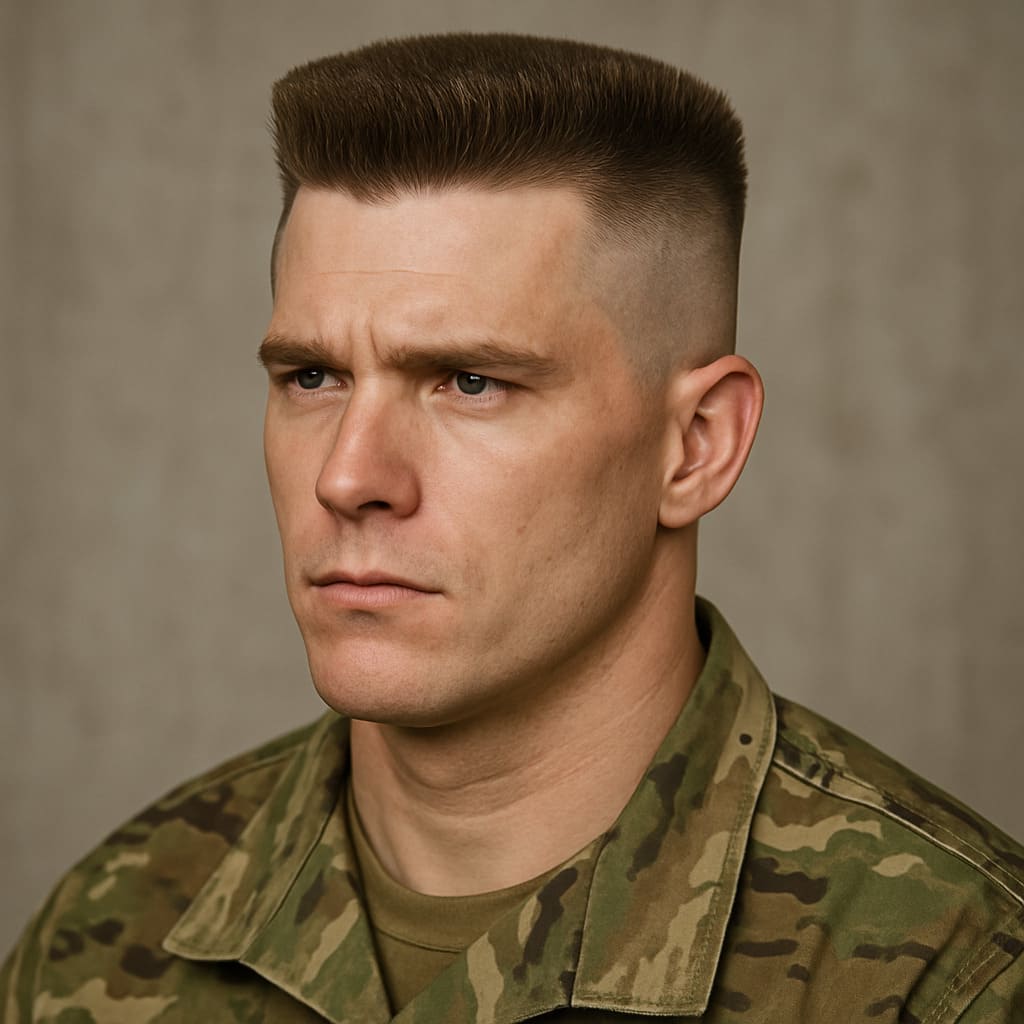
The flat top is the highest-maintenance cut on this list by a wide margin and it takes the most skill from your barber to pull off. The top is cut level and squared off, sides tapered tight underneath. It stands out more than anything else here, so it needs trimming every two weeks — skip that and a flat top stops looking sharp fast.
Guard: 1–2 on sides, level cut on top
Best for: Square faces
Product: Strong-hold gel or wax to keep the top standing
9. Ivy League

Take a crew cut, leave a bit more length on top and you’ve got the Ivy League. It got its name from 1950s college students who wanted something short but not military-strict and that’s still the appeal — polished enough for an office, relaxed enough to part or brush forward. It’s also a staple of the old money hairstyles look, for the same reason: short, deliberate, never trying too hard.
Guard: 2–3 sides, finger-length top
Best for: Oval, heart-shaped faces
Product: Light hold cream, worked through slightly damp hair
10. Low and Tight
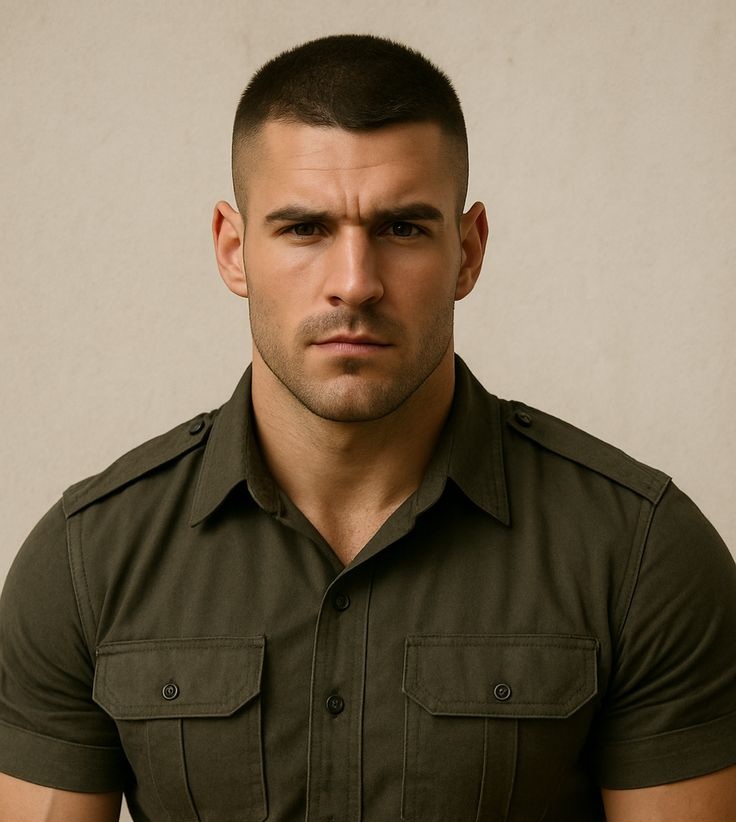
A high and tight where the fade starts lower on the head instead of above the temple. Less severe, easier to wear day to day, still unmistakably military-adjacent. If a high and tight feels like too much commitment, ask for this instead.
Guard: 1–2 sides fading low, 3–5 top
Best for: Round, oval faces
Product: Minimal — a bit of clay if the top has enough length
11. Skin Fade with Buzzed Top
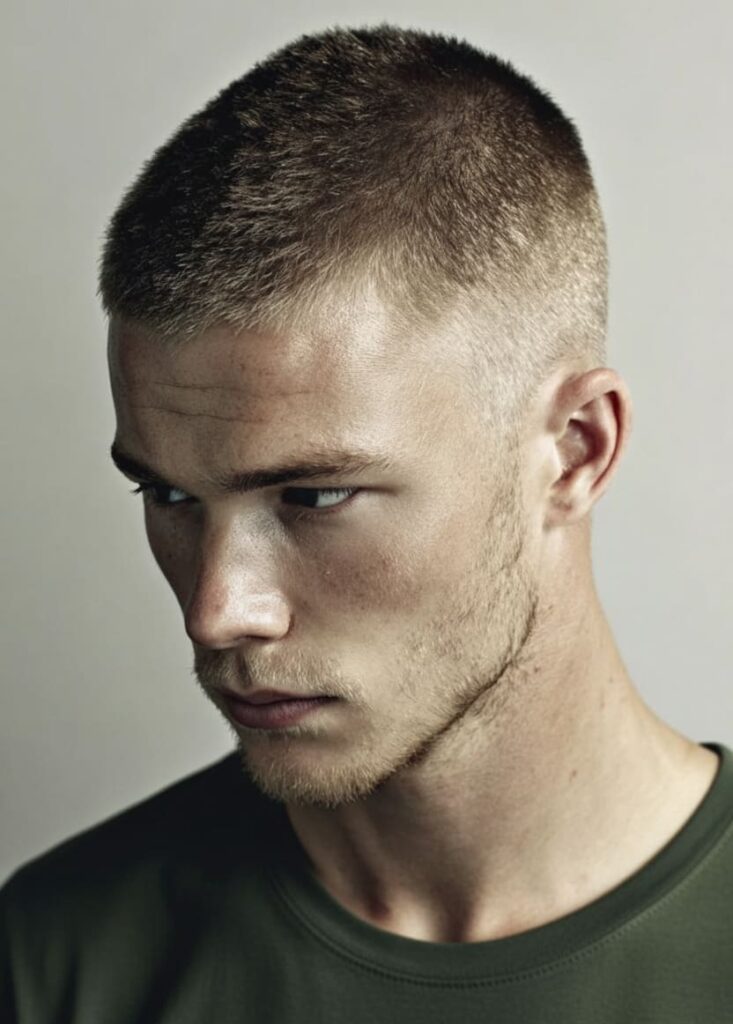
The modern gym-and-barbershop take on a military cut — a short buzzed top, guard 1, paired with a fade that runs all the way to skin on the sides. The contrast reads more current than a classic buzz cut, without giving up the low-maintenance part.
Guard: 1 top, skin fade sides
Best for: Round faces, since the fade adds definition
Product: Light matte cream
12. Tapered Buzz Cut

A buzz cut with a natural taper around the neckline instead of a hard line. Small detail, but it’s the difference between a buzz cut that still looks fresh after three weeks and one that looks fresh for three days. Ask for “a taper, not a line-up” — barbers default to hard lines unless told otherwise.
Guard: 1–2 all over with a soft taper at the neck
Best for: All face shapes
Product: None
13. Caesar Cut
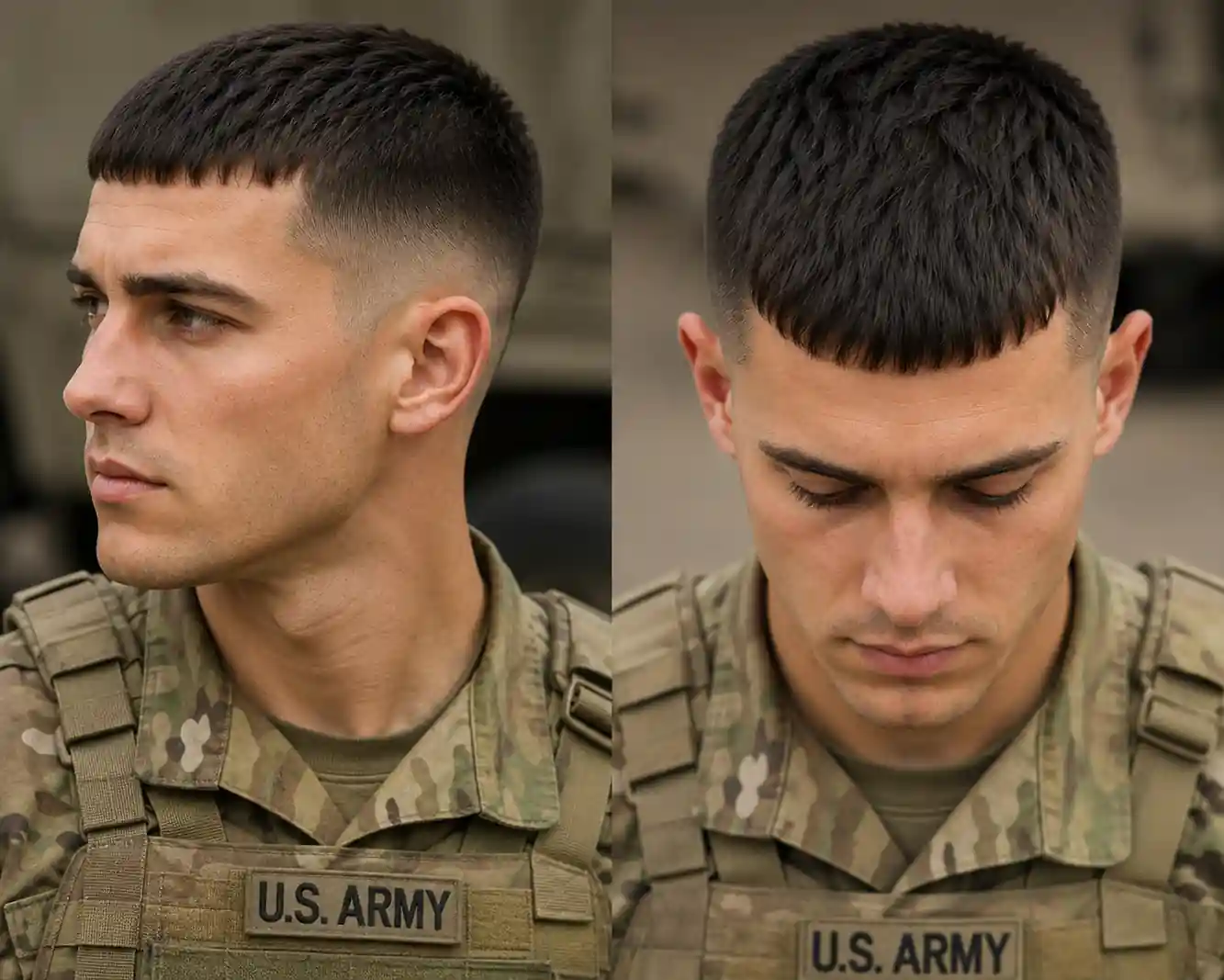
Short fringe brushed forward, evenly cropped sides and back. It’s not a military cut historically, but it lives in the same low maintenance family and it’s the one I’d point a receding hairline toward — that forward fringe does work a buzz cut can’t.
Guard: 2–3 all over, fringe left slightly longer and combed forward
Best for: Receding hairlines
Product: A small amount of matte paste to hold the fringe forward
14. Comb Over with Low Fade
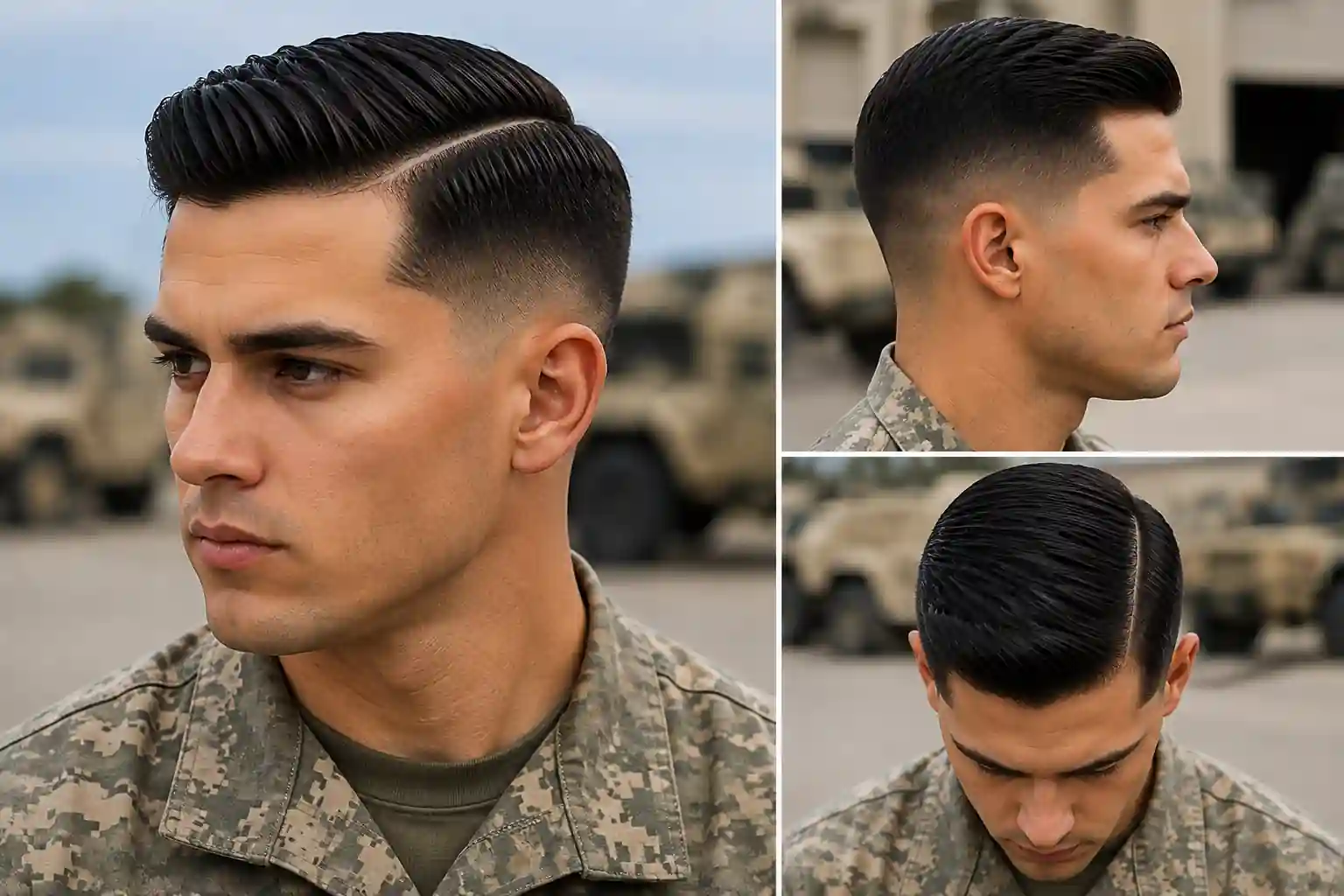
Longer hair on top with a clean side part, fading low on the sides instead of high. The most office-friendly cut on this list, since it doesn’t read “military” at all — it borrows the low-maintenance backbone and wears it like a standard business haircut.
Guard: Low fade, top left long enough for a comb part
Best for: All face shapes
Product: Firm-hold pomade for the part
15. Undercut with Shaved Sides
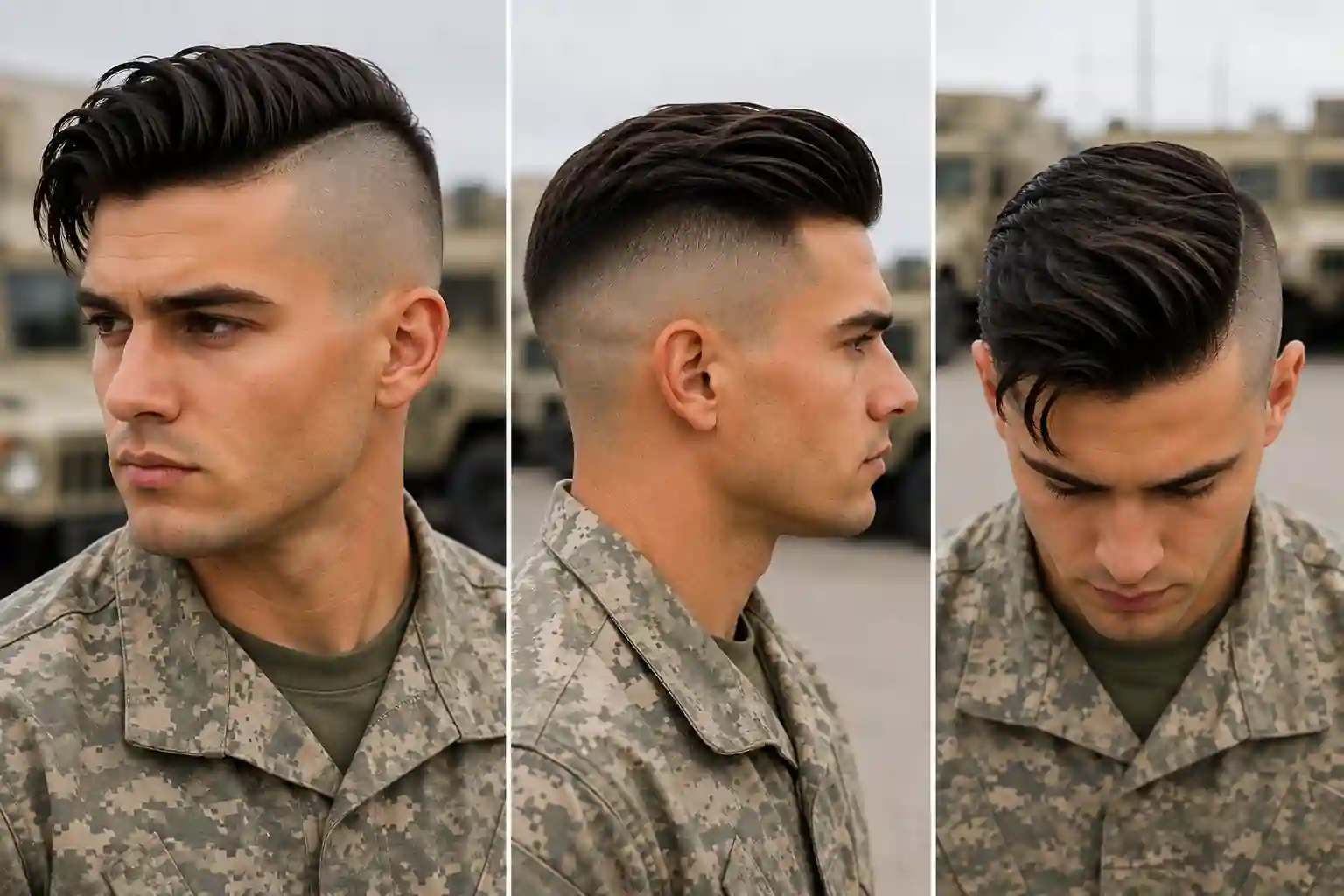
The most dramatic contrast on this list — sides shaved completely, top left long enough to sweep or style. It’s the furthest from a strict regulation cut and the closest to a modern streetwear haircut, though the shaved-sides discipline still traces back to the same military root as everything above it. Popularity has swung both ways — Brad Pitt’s Fury haircut is a version of it and the style dipped for a stretch after picking up unwanted associations online, before working its way back into mainstream barbershops with a softer finish.
Guard: Shaved sides (0), top left 2+ inches
Best for: Oval, heart-shaped faces
Product: Medium-hold styling cream
16. Korean Military Haircut
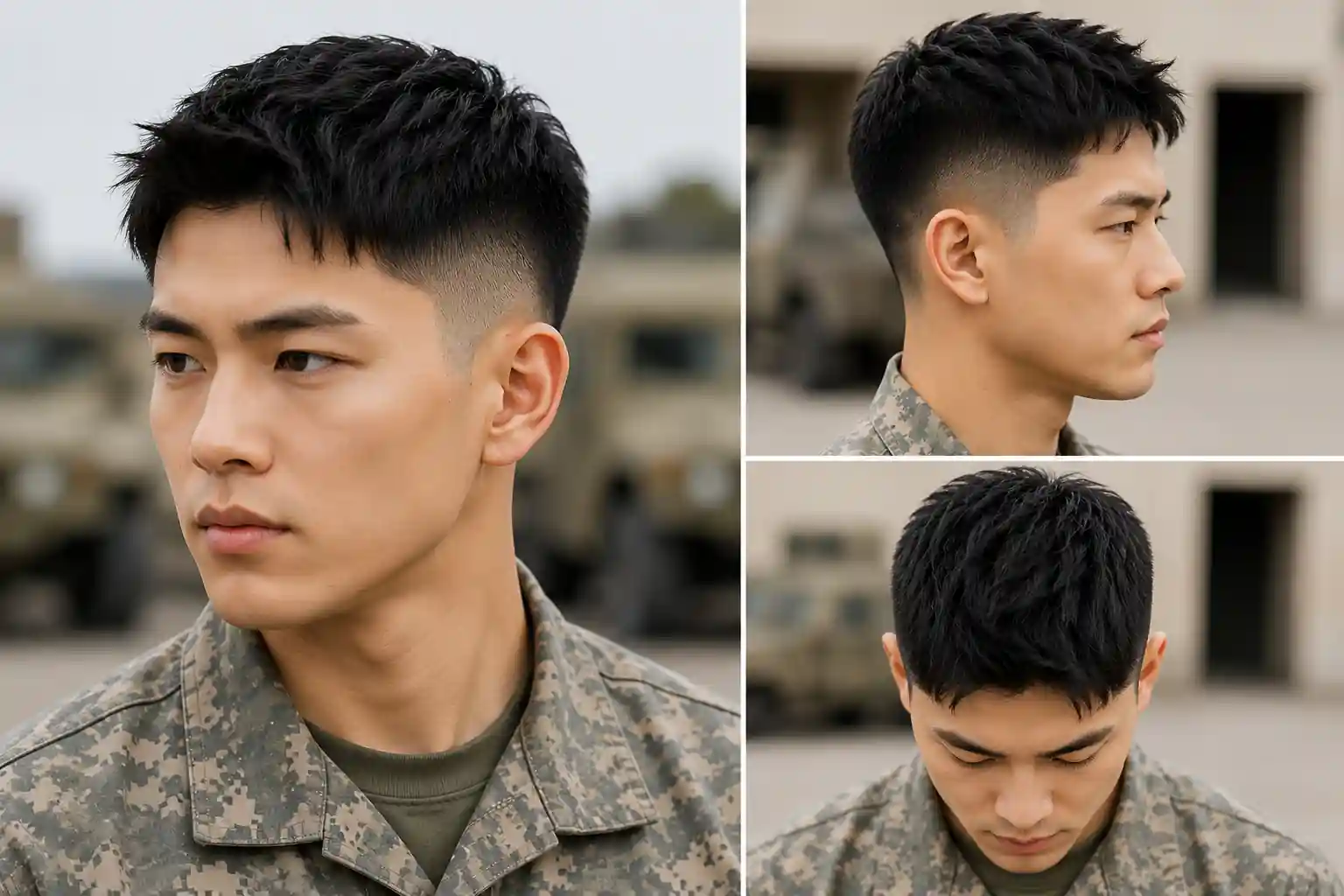
Shorter sides than a crew cut, with enough length on top for real shape and a bit of natural movement instead of lying flat. It’s turned into its own search term over the last couple of years, distinct from the harsher Western high and tight — reads younger and softer while keeping the same short-sides backbone.
Guard: 2–3 sides, 3+ top
Best for: Oval, round faces
Product: Light molding paste worked through with fingers, not a comb
Regulation, Real Rules and Where They Bend
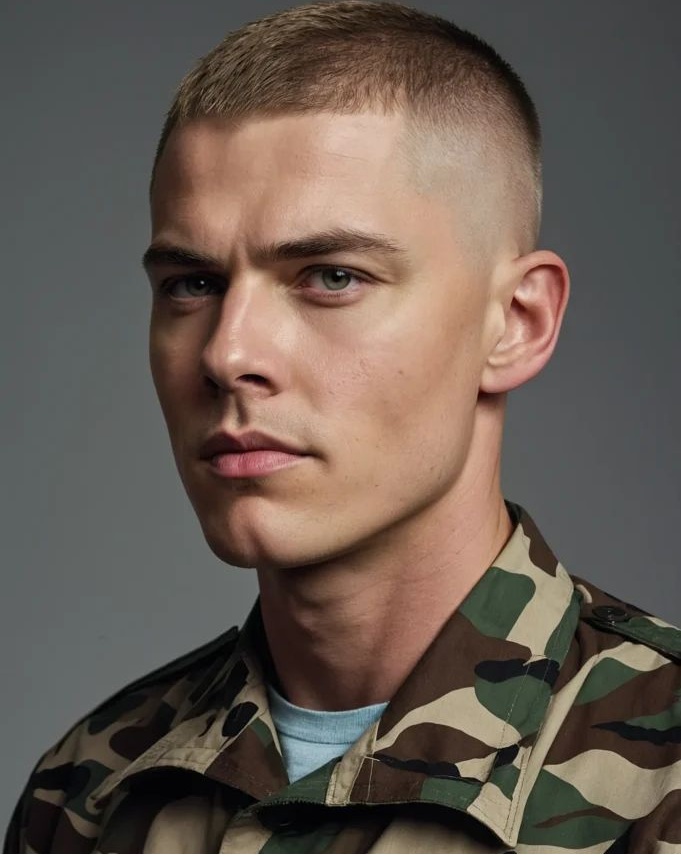
Recruits don’t get to pick — basic training starts with the induction cut, then whatever the branch allows. US Army rule AR 670-1 keeps it simple: neat and conservative, with room to style within that. The Air Force wants a tapered look with no spiking. British and Indian forces leave similar room, with one real exception in both — Sikh soldiers can keep long hair under a turban, beard included. Indian Army rules require short hair everywhere except the Sikh Regiment. RAF personnel can also keep neat dreadlocks under standard headgear.
None of this applies once you’re a civilian. Walk into any barbershop — Delhi, London, New York — and ask for a high and tight or flat top and you’ll get the same cut regardless of regulation limits. The buzz cut and induction cut are the only two here that stay tied almost entirely to service; everyone else on this list wears the rest without a second thought.
How to Choose by Face Shape

Square faces already carry strong angles, so a buzz cut, flat top or high and tight works with that instead of fighting it. Oval faces have it easiest — crew cut, Ivy League or regulation cut all sit well and grow out evenly, which leaves the most room to experiment. Round faces need contrast and that’s why a skin fade or low and tight outperforms anything with one even length all over. Heart-shaped faces do better with weight left on top — an Ivy League or undercut balances a narrower chin against a wider forehead in a way a burr cut never will.
Matching the Cut to Your Hair Type
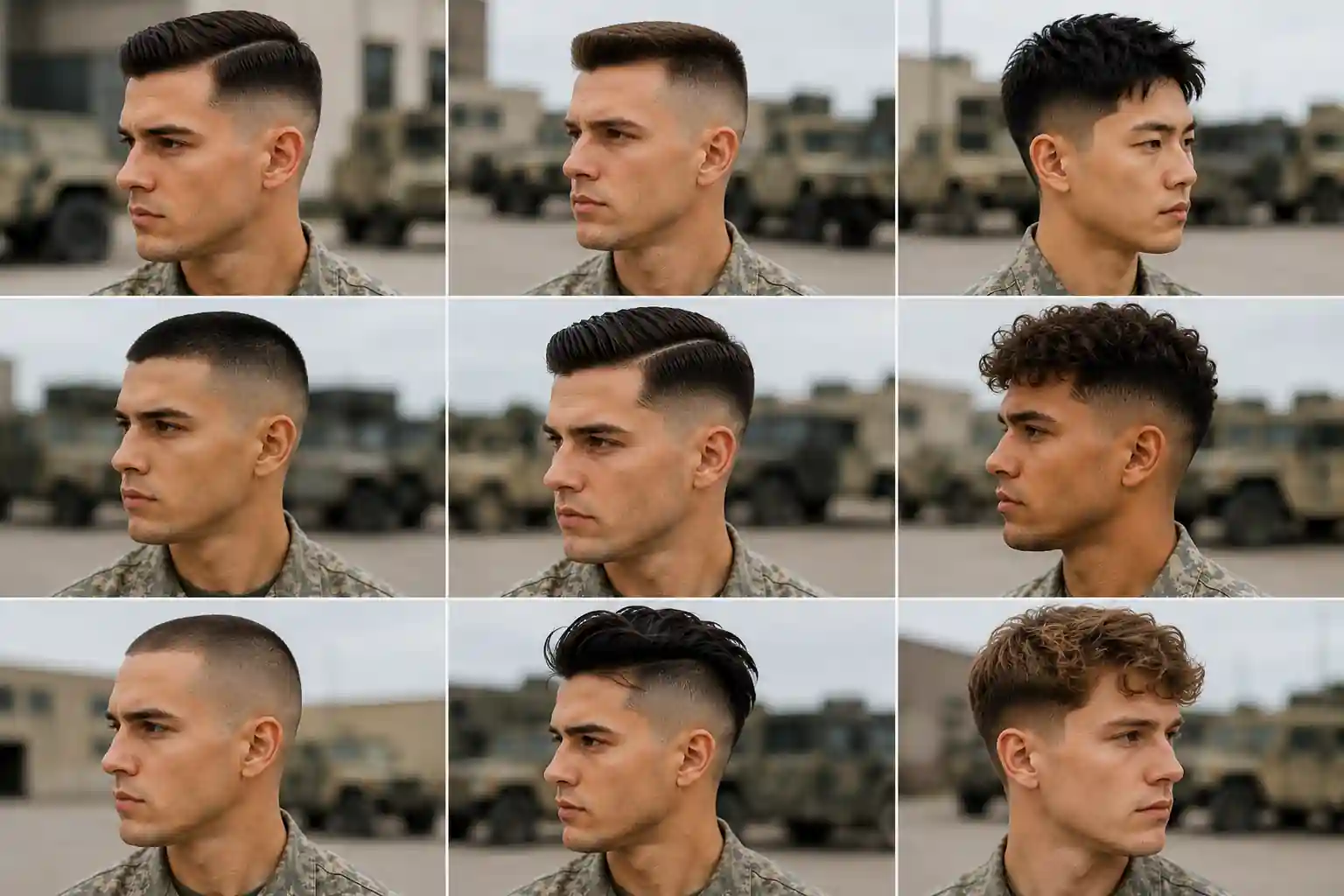
Face shape gets all the credit, but hair type is doing more work than people realise. Straight hair is where a crew cut or flat top really earns its keep — the edges stay razor-crisp instead of softening by day three. Thick, coarse hair barely needs help either; a regulation cut holds its shape on density alone, no product required. Curl is the one texture everyone gets wrong.
Buzz it down too short and the curl pattern goes patchy instead of clean, so an Ivy League or Korean military cut is the smarter call — enough length on top for the curl to actually show, instead of fighting it. None of this rules anything out. It just changes how much effort the top needs to look like you meant it.
If you are coloring on top of any of these, the dirty blonde hairstyles guide covers how that pairs with a few of the shorter styles above.
Getting the Style Right After the Cut
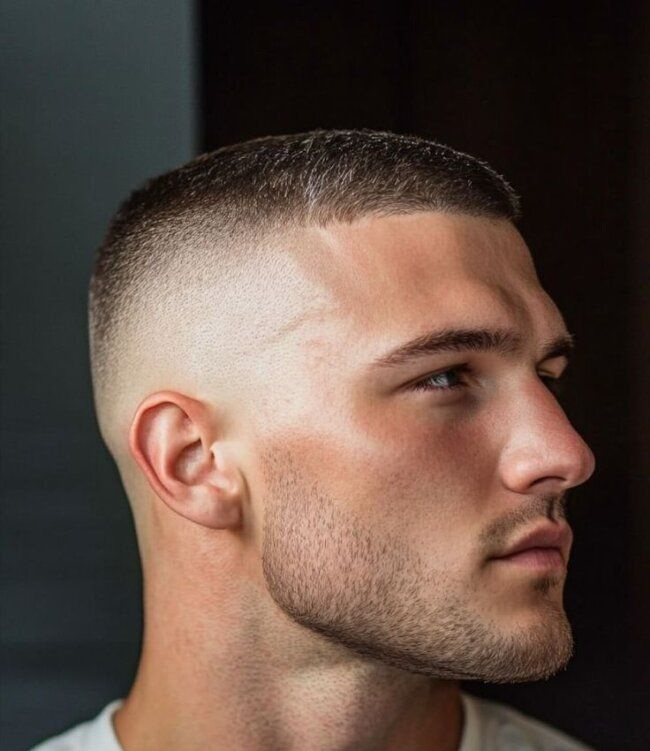
Most of these need almost nothing, which is the point, but anything with length on top follows the same order. Start with clean, towel-dried hair — product goes on damp, not soaking or it slides instead of holding. Work a small amount through the top with your fingers rather than a comb, unless you’re setting a hard side part.
Comb over, slick back and regulation cuts are the exception there, since those rely on a fine-tooth comb for a clean line. Less product than you think you need is usually the right call — most of these cuts are built to look like they took no effort.
What to Tell Your Barber
Vague requests get vague results. Lead with the guard number, not the style name — “guard 1 on the sides, guard 3 on top” removes ambiguity that “military cut” alone doesn’t. If you want a fade instead of a hard line, say that up front, since most barbers default to a line-up unless told otherwise. Mention whether you want the top blended, scissor cut or left textured too — that one detail decides how the cut looks two weeks after you leave the chair.
Maintenance Schedule
- Induction, buzz, burr: every 2–3 weeks
- Butch, crew, high and tight: every 3–4 weeks
- Ivy League, comb over, undercut: every 4–5 weeks
Flat tops break the pattern — they need attention every 10 to 14 days to hold their shape, which is usually what pushes guys toward a lower-maintenance cut on this list sooner or later.
Frequently Asked Questions
Is a military haircut the same thing as a buzz cut?
No. A buzz cut is one style within a much broader category. A high and tight, flat top and regulation cut all count as military-style haircuts, but plenty of them aren’t buzz cuts.
Can I ask for a “military haircut” and expect a specific result?
Not reliably. The term covers at least a dozen distinct cuts. Naming the style — high and tight, crew cut, flat top — gets a far more predictable outcome than the generic term on its own.
Do these haircuts work with thinning hair?
Yes, often better than longer styles do. Shorter length narrows the visual gap between thinning patches and thicker ones, which explains why the buzz cut and burr cut both stay popular with men managing hair loss.
Picking One Before Your Next Cut
Military style haircuts men search for usually come down to the same short list dressed up in different marketing names. Once you know a high and tight and a “recon fade” are the same haircut and that the buzz cut is the only one on here that’s truly zero-effort, picking gets a lot easier.
First match it to your face shape, hand your barber the guard numbers instead of a style name alone and you’ll leave with the cut you asked for instead of the closest guess. If short and disciplined isn’t the direction you’re after at all, the Viking haircuts for men guide sits at the opposite end of the spectrum.

Deepak Bhandari has spent 10 years in personal styling, helping men dress with more confidence and less guesswork. He’s the founder of Deepu Fashion, where he writes about style, grooming and everyday outfit ideas that actually work in real life. Follow him on Instagram for daily style tips and inspiration.