
Most short men blame the jeans. The real problem is usually the length. Cutting jeans shorter also makes the bottom of the leg narrower, since denim tapers as it goes down. That small change can throw off the whole look and most guys never find out why.
Jeans for short men come down to four things. The rise. The leg opening. The length and how much the jeans stand out against the top you wear with them. Get those four right and the brand does not matter much.
Start With the Rise, Not the Brand
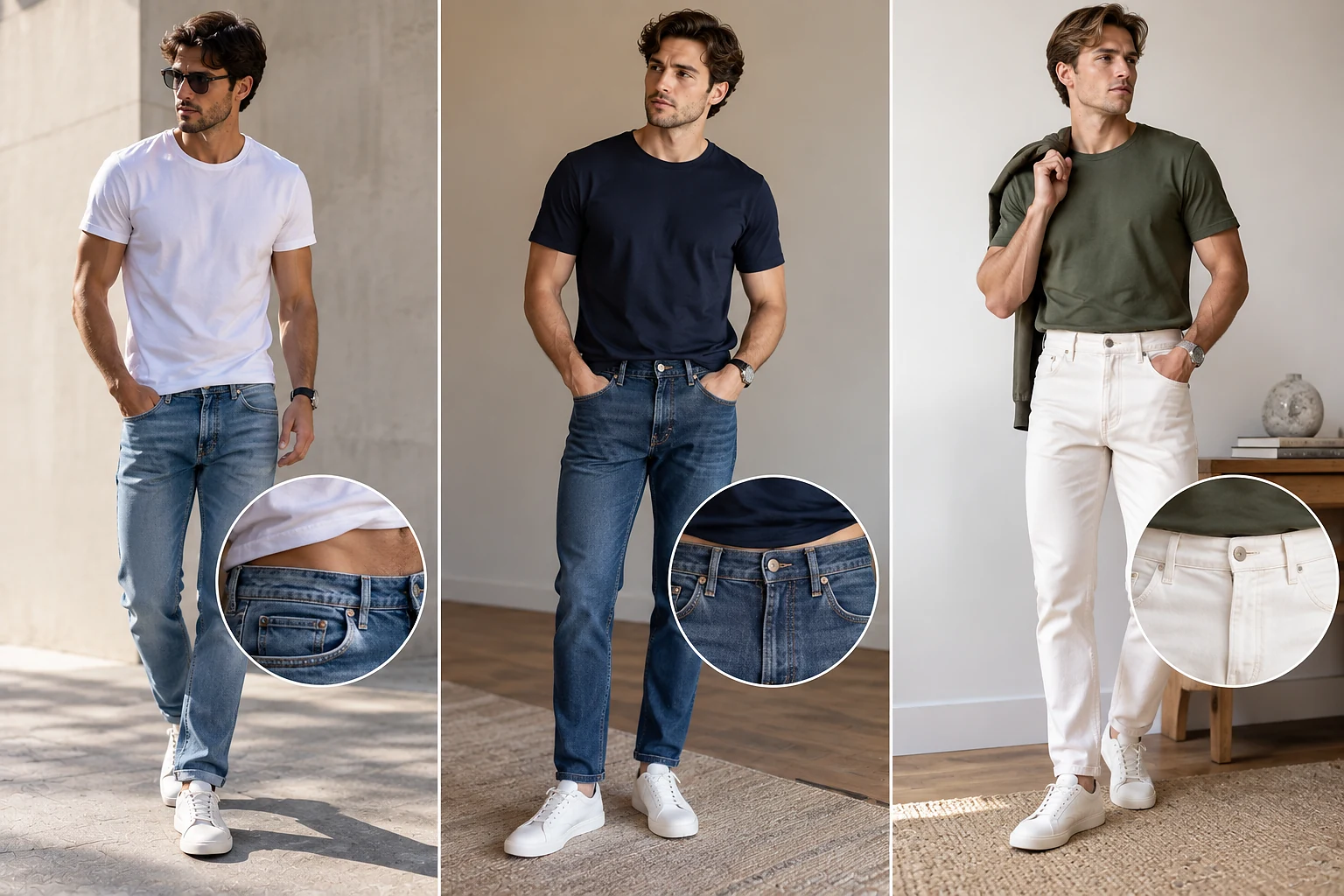
Rise is where the waistband sits and it changes your shape more than anything else on this list. Low rise sits near the hip bones. It tends to shorten your leg line, which works against a short frame. High rise sits near the navel and can add length to the leg, but it needs to sit right so it does not dig in when you sit down. Getting this one detail right changes how even a simple date night outfit looks.
Mid rise is the safe choice. It sits at your natural waist. It works on most body types and rarely looks wrong. Start here if you are not sure.
Leg Opening Matters More Than Most Guys Think
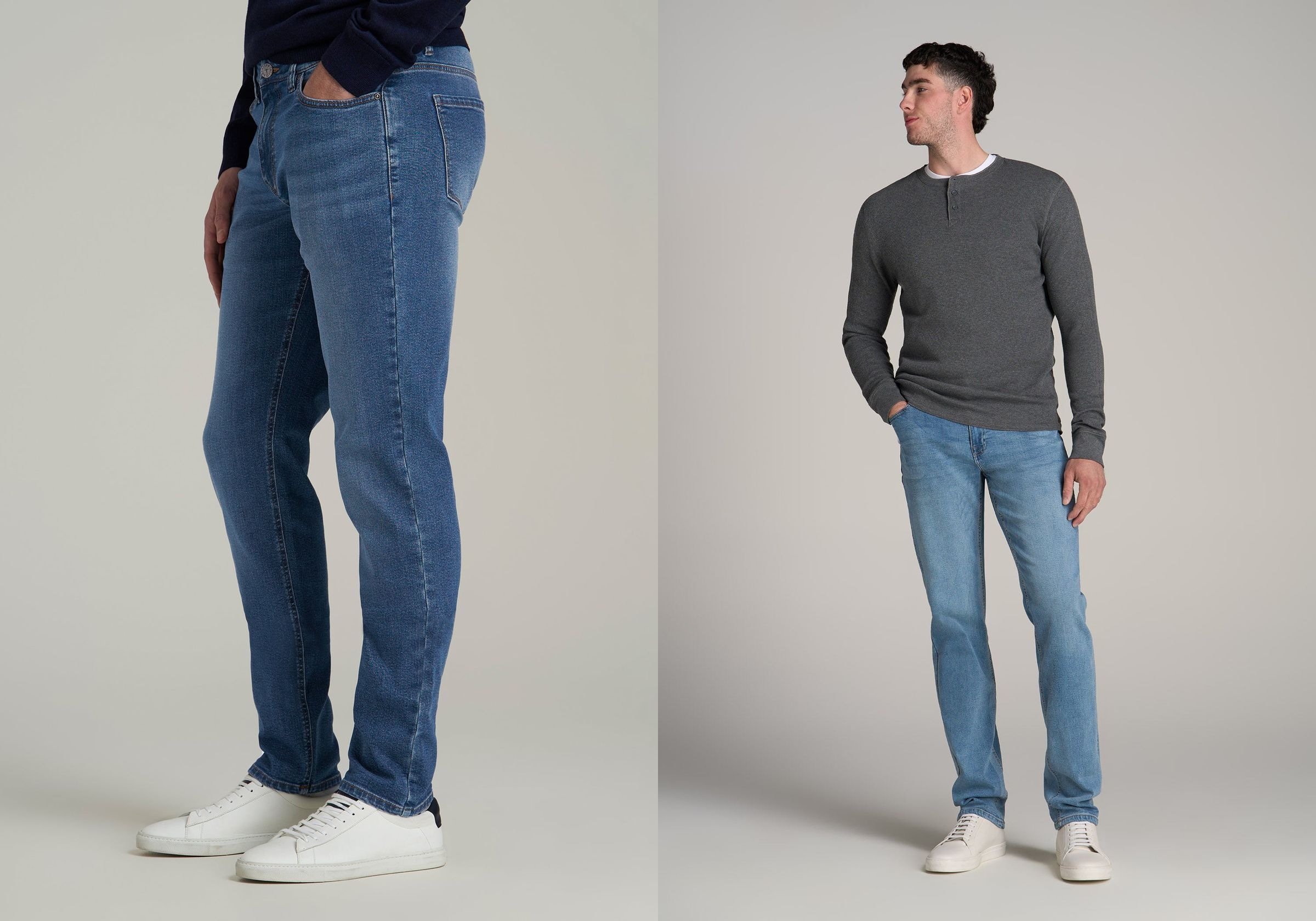
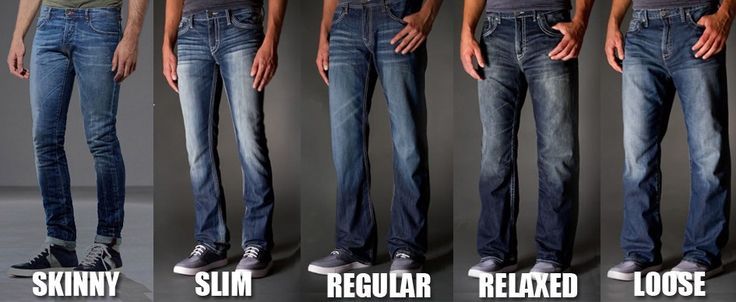
The leg opening is how wide the jeans are at the ankle. Most guys never think about it. A straight fit leg opening is about 30 percent wider than a slim fit. That sounds small, but you will see the difference once the jeans sit over your shoes.
A narrow leg opening keeps a clean line from knee to ankle. A wide one adds bulk right where you do not want it. That bulk cuts your visible leg length, which is the opposite of what you want.
The Leg Opening Changes the Whole Look
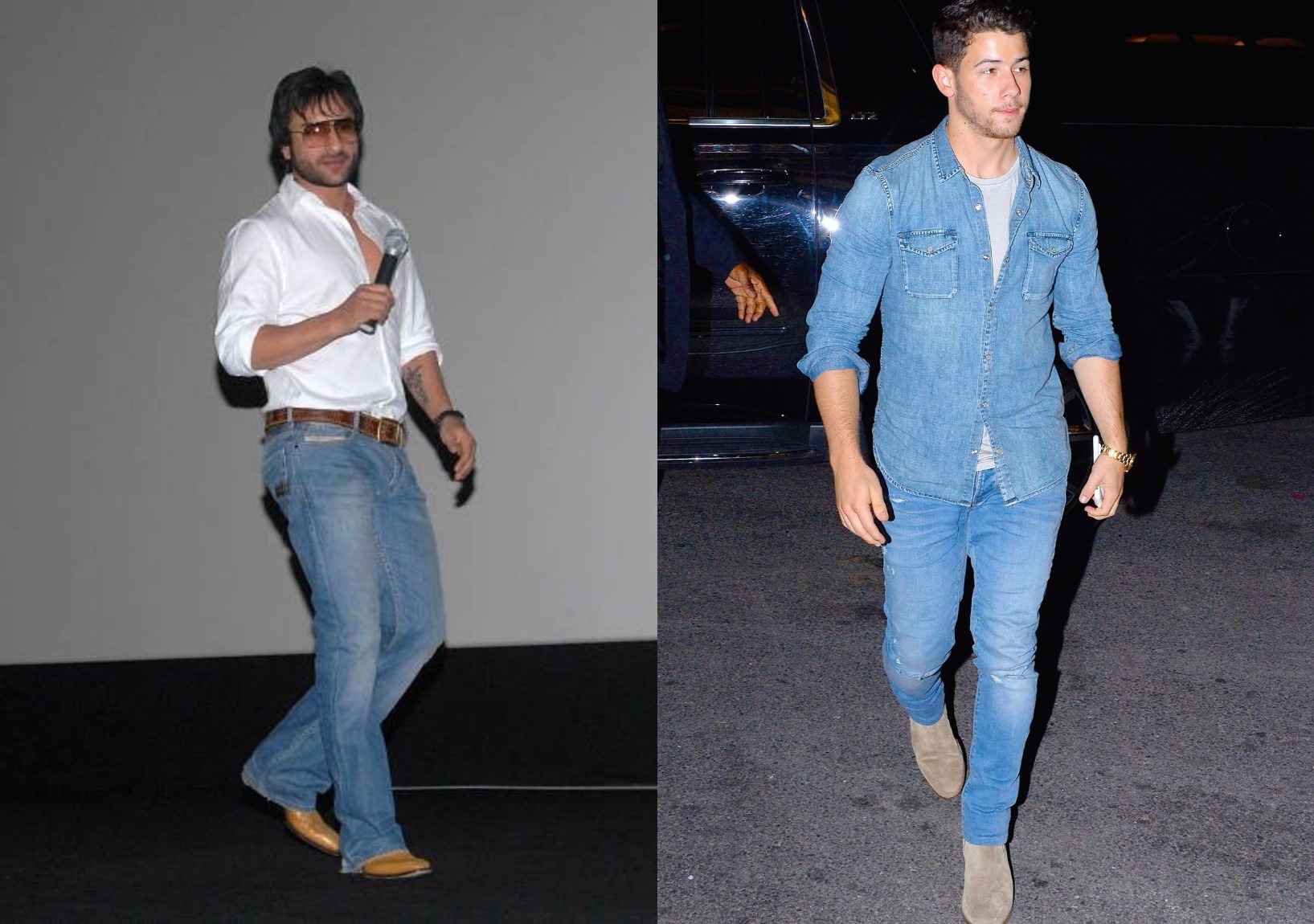
Jeans that pool at the ankle create folds. Those folds shorten your leg line. This is the most common mistake short men make with jeans. The fix seems simple: get them hemmed. But hemming comes with a catch.
Cutting the bottom off a pair of jeans also narrows the leg opening, since the leg gets thinner toward the bottom. Hem two inches off and the ankle often ends up tighter than it was meant to be. It can end up looking altered instead of naturally short. Buying the right length from the start skips this problem completely.
An inseam of 26 to 28 inches works for most short men. A few brands make jeans built for men 5 feet 8 inches and under, so this length is available without any tailoring. Check the inseam number before you check the brand name. It saves a trip to the tailor.
Slim, Straight or Tapered

Slim jeans follow the leg closely and keep the line clean. That is why they come up so often in this kind of advice. Straight jeans still work, but the wider leg opening means they need to stay close to the leg at the thigh, or the extra fabric works against you. Slim fit tapered jeans sit in the middle. They give more room at the top and stay narrow at the ankle. Tapered jeans breaks this fit down further if you want to try it first.
Short and Broad? Start Here
Most jeans advice assumes a lean build. It falls apart for anyone carrying more weight through the waist or thighs. The fix is not a looser jean. A straight or slim straight cut with some shape to it, in a dark wash, does more for a broader short frame than a loose fit ever will. Loose cuts add width exactly where a shorter, broader build does not need more of it.
Dark wash helps here too. It reads as one solid line instead of breaking the leg into pieces. This is the same trick that makes a sharp looking business casual outfit work — a belt and shoes that match keep the eye moving in one line instead of stopping short.
Color and Contrast
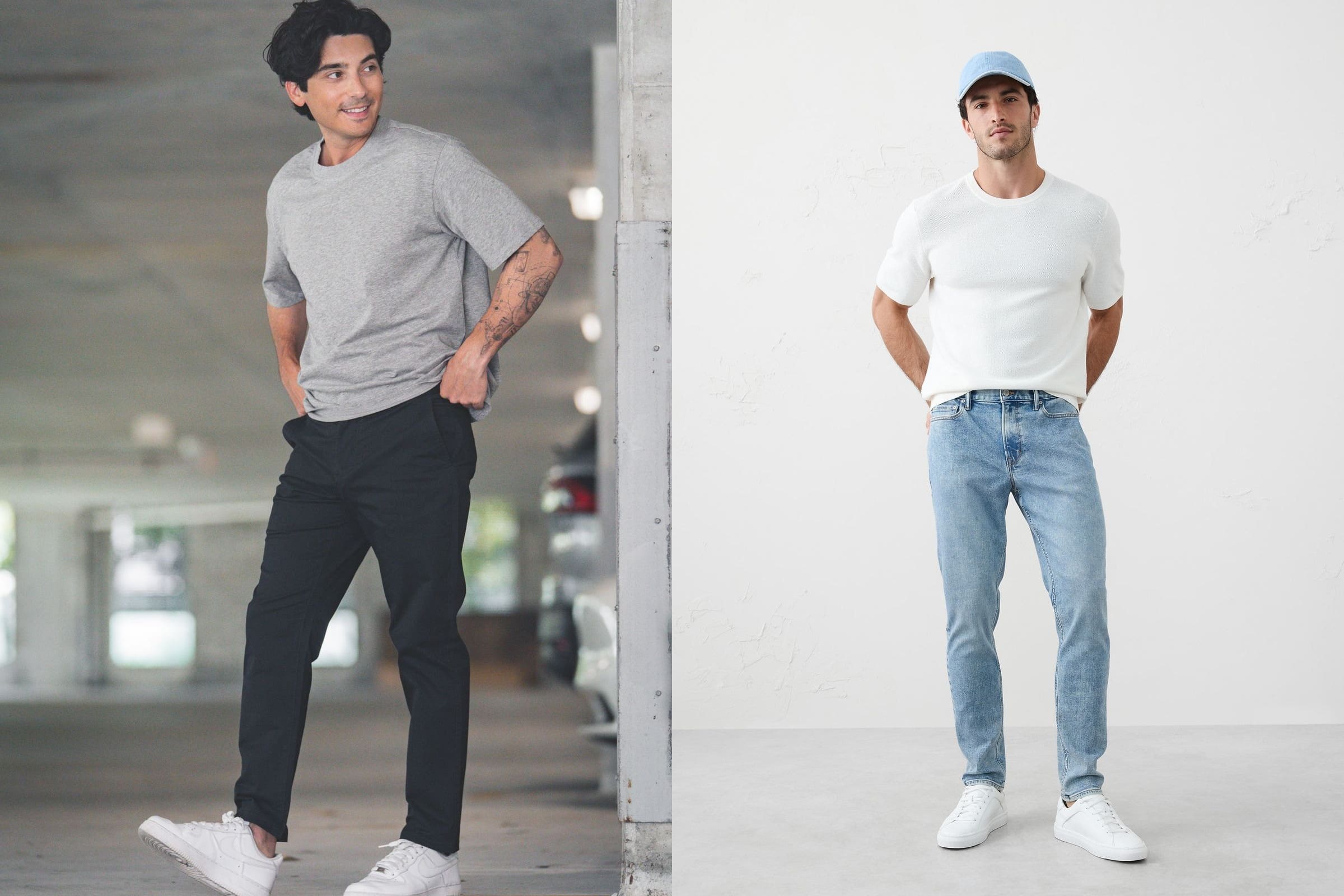
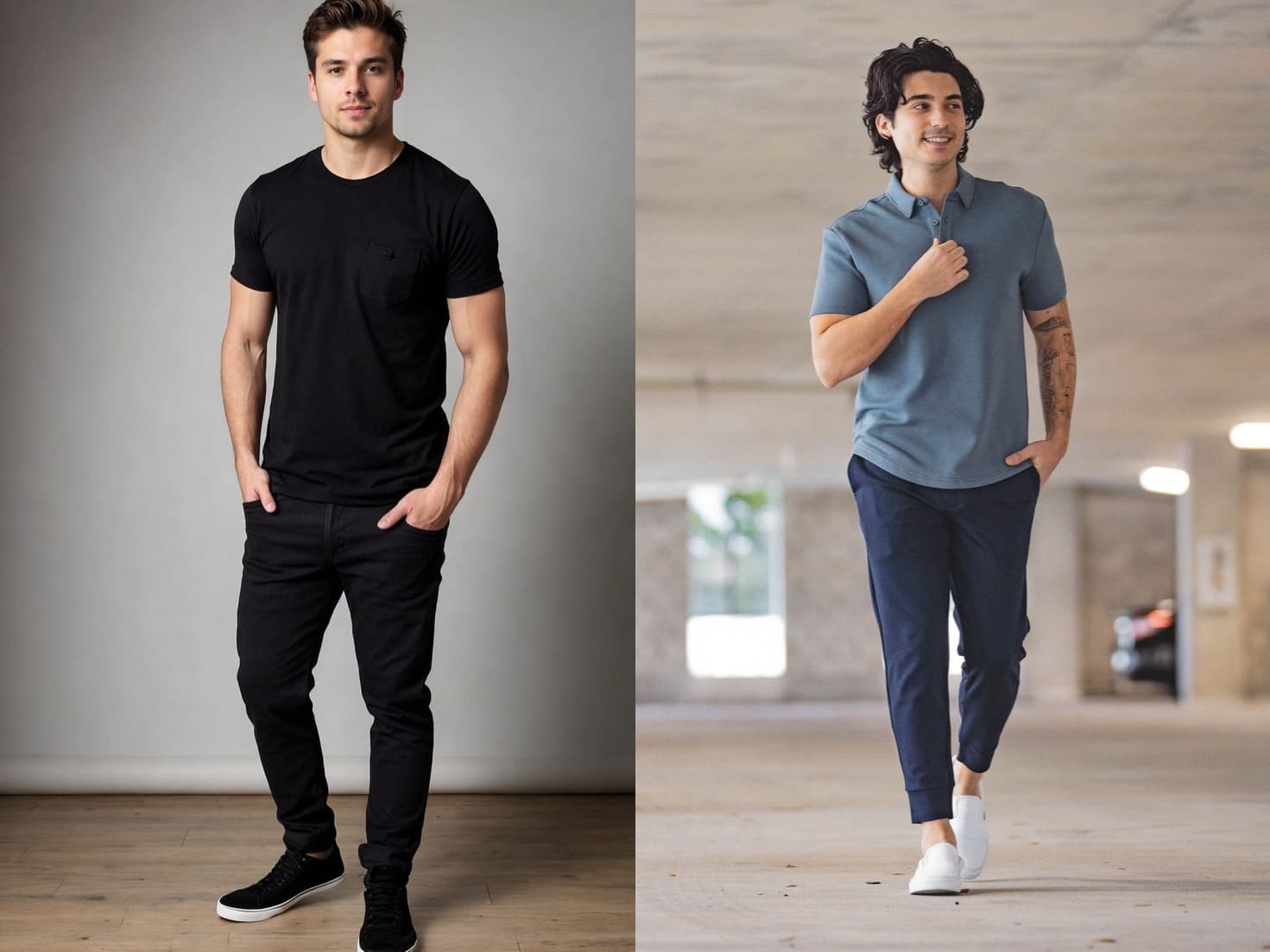
Once the fit is right, color finishes the job. Dark jeans with a light top, like a white t-shirt, give you just enough contrast without cutting the leg line. You will see this same combination all over any solid capsule wardrobe, because it barely takes any effort to get right. Staying in one color family, like black jeans with a black tee, removes contrast completely. It reads as one shape instead of two halves.
Shoes work the same way. Pick a shoe color close to your jeans and the leg line stays in one piece.
A pale shoe under dark jeans breaks that line right where you do not want a break. It is a small detail, but it changes more than people expect. Wearing boots with jeans often makes this easier, since most boot colors sit close to denim already.
A blazer changes the equation a little. Dark jeans under a polo and blazer still keep the leg line sharp and the combination reads smart without trying too hard.
If a shirt feels better than a t-shirt, a few white shirt outfit ideas show how well plain white pairs with dark jeans, using the same contrast rule from above.
What to Ask For Instead of Hemming
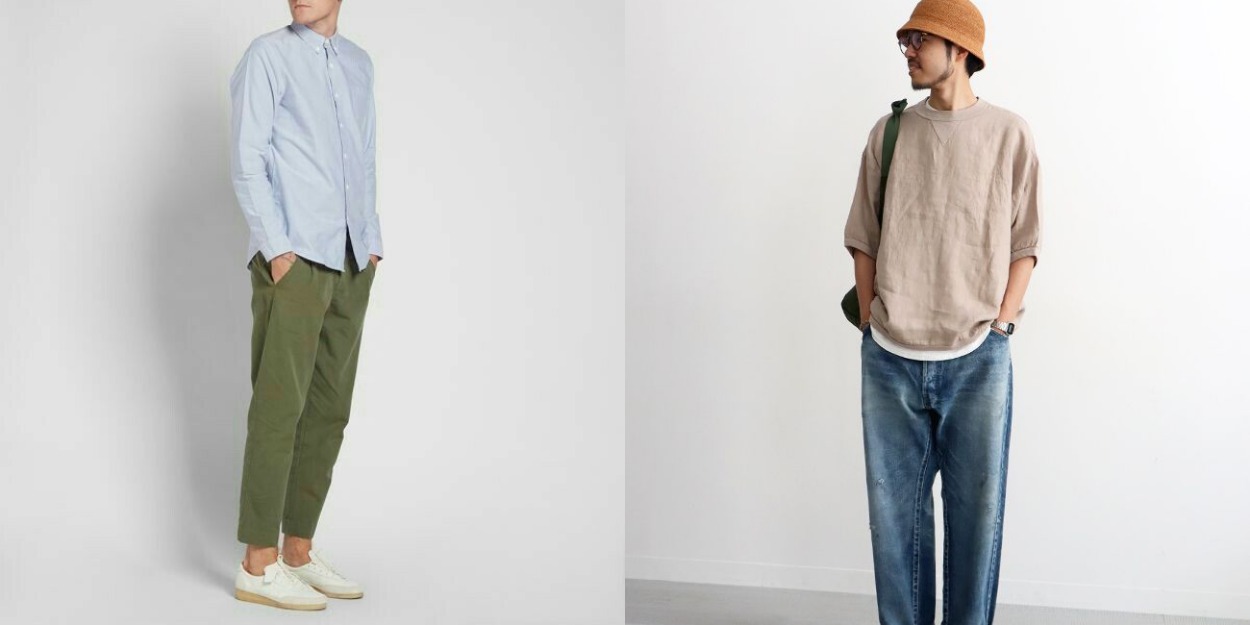
If your jeans already run long, ask a tailor to taper the leg opening a little while shortening the length. This avoids the boxy look a plain hem often leaves. It costs more than a basic hem job, but the shape stays closer to how the jeans were designed to fit.
Cuffing is the other option. It works best on a slim cut, not a wide leg opening. One clean fold looks like a choice you made on purpose. A few thick folds look like the jeans were simply too long. Getting a trouser break right matters just as much with grey trousers and white pants, where the same length rules apply.
The Biggest Mistakes
Stacking at the ankle is the biggest and most visible mistake here. Low-rise jeans come next, since they shorten your leg before you have even picked a shirt. A leg opening that is too wide adds bulk in exactly the wrong spot. And pale shoes under dark jeans break the leg line and undo the rest of the outfit.
Sticking to a few classic shoe styles sidesteps this problem, since their neutral tones already sit close to most denim washes.
Real Questions About Jeans and Height
What jeans are best for short men?
Slim or tapered jeans in a mid-rise, with a leg opening that stays close to the ankle instead of stacking over it.
Do dark jeans really make you look taller?
They help. Dark denim looks like one solid shape instead of splitting the leg into pieces, which adds to the feeling of length more than color alone.
Is hemming jeans a good idea for short men?
It works, but it changes the leg opening as a side effect. Buying the right length to begin with, or asking a tailor to taper instead of just cut, usually gives a cleaner result.
It All Comes Down to Fit
No single brand fixes this on its own. Rise, leg opening, length and color do almost all the work. That is really the whole system behind jeans for short men — a $40 pair that gets those four things right will beat an expensive pair that gets them wrong, every time.
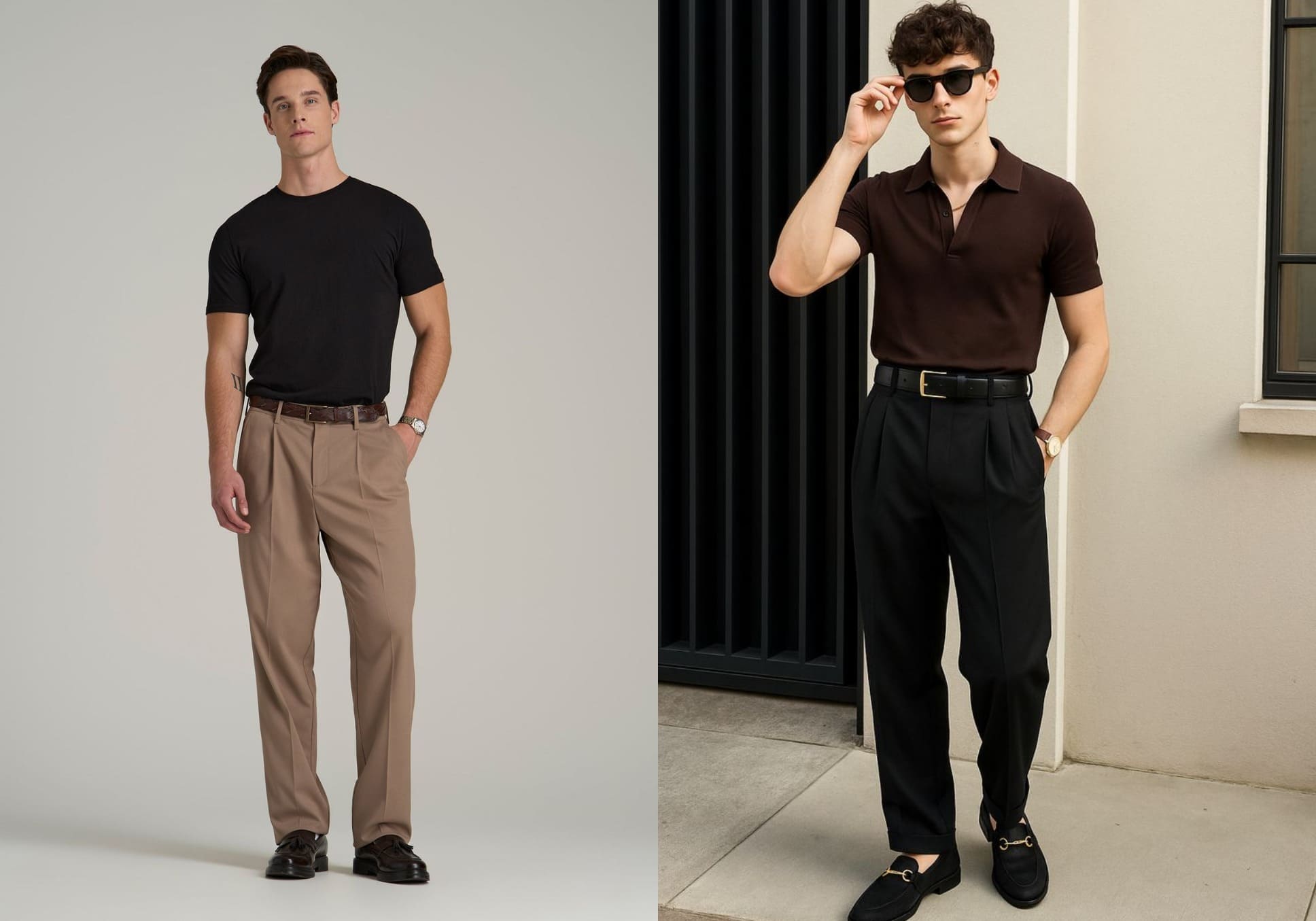
Jeans are not the only pants that follow these rules. The same care around leg opening and length pays off with khaki pants too.
Gurkha pants follow a similar pattern. The fit through the seat and the break at the ankle matter just as much as they do with denim.
And if color is still the hard part, a look at shirt colors for dark skin picks up right where the contrast tips above leave off.



Deepak Bhandari has spent 10 years in personal styling, helping men dress with more confidence and less guesswork. He’s the founder of Deepu Fashion, where he writes about style, grooming and everyday outfit ideas that actually work in real life. Follow him on Instagram for daily style tips and inspiration.