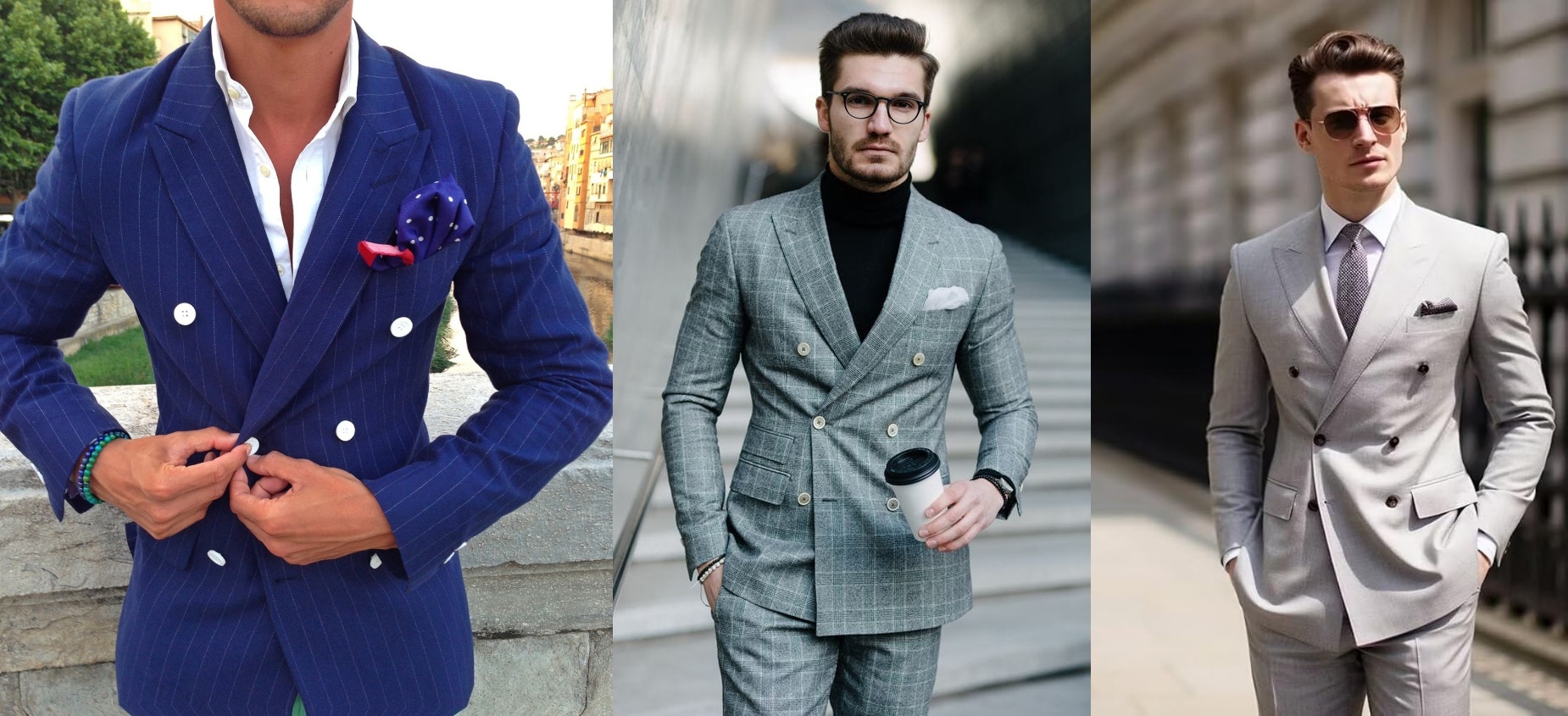
The relaxed double breasted suit fixes that — but only when you actually understand what “relaxed” means. It’s not just a looser cut off the rack. It comes down to construction, fabric weight, jacket length and even which buttons you fasten. Get those wrong and a relaxed DB looks sloppy instead of intentional. Get them right and it becomes the easiest suit in your closet to wear well.
Getting the Fit Right on a Relaxed Double Breasted Suit
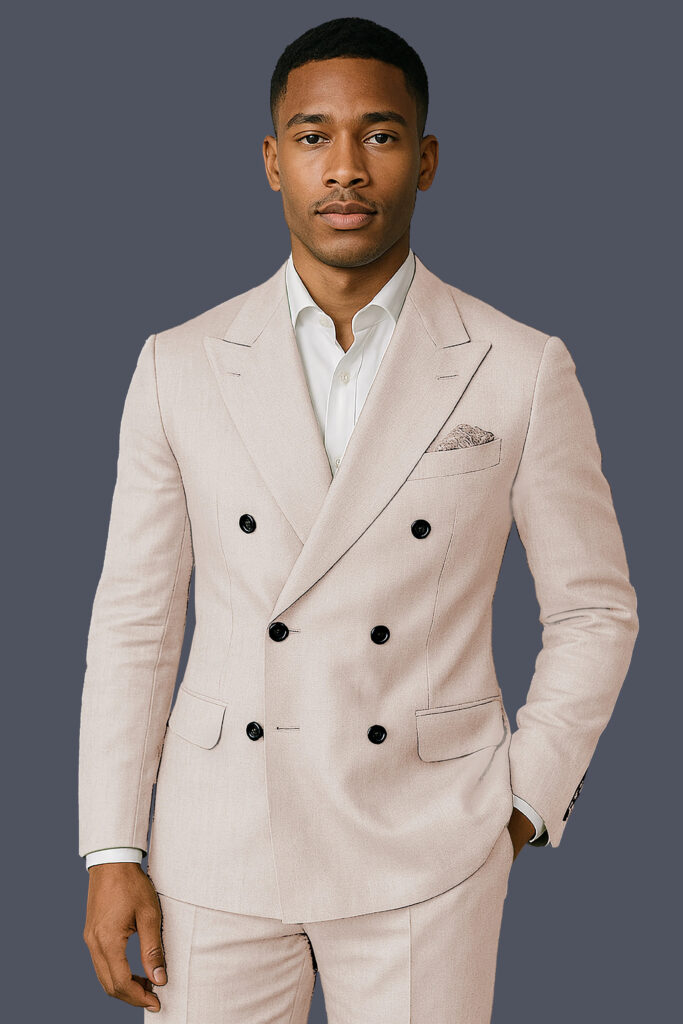
Shoulders should end exactly where your shoulder ends — not before, not after. On a relaxed cut, even half an inch of overhang collapses the silhouette into “wearing your brother’s jacket” territory instead of intentional drape.
Chest: close the jacket and place a flat hand between the lapel and your shirt. You should fit one hand, no more. Tighter than that and the lapel roll won’t sit right when you unbutton; looser and you lose the shape that makes it read as tailoring instead of a coat.
Jacket length: relaxed DBs run longer by design — aim for the hem to hit mid-palm, arms hanging naturally. This is different advice than you’d give for a single-breasted or structured DB, where hip-bone length is standard. The extra length is what lets the drape actually happen instead of getting cut off mid-motion.
Sleeve length: show a quarter to half inch of shirt cuff — slightly more than the classic formal rule. Shorter sleeves on a relaxed DB look accidental, not deliberate.
Lapel width: relaxed DBs are being cut with slightly wider peak lapels than the slim-lapel DBs of the 2015–2020 era. A too-narrow lapel on a roomier jacket looks unbalanced — proportion between lapel width and jacket volume matters as much as any single measurement.
Which Body Types Suit a Relaxed Double Breasted Suit
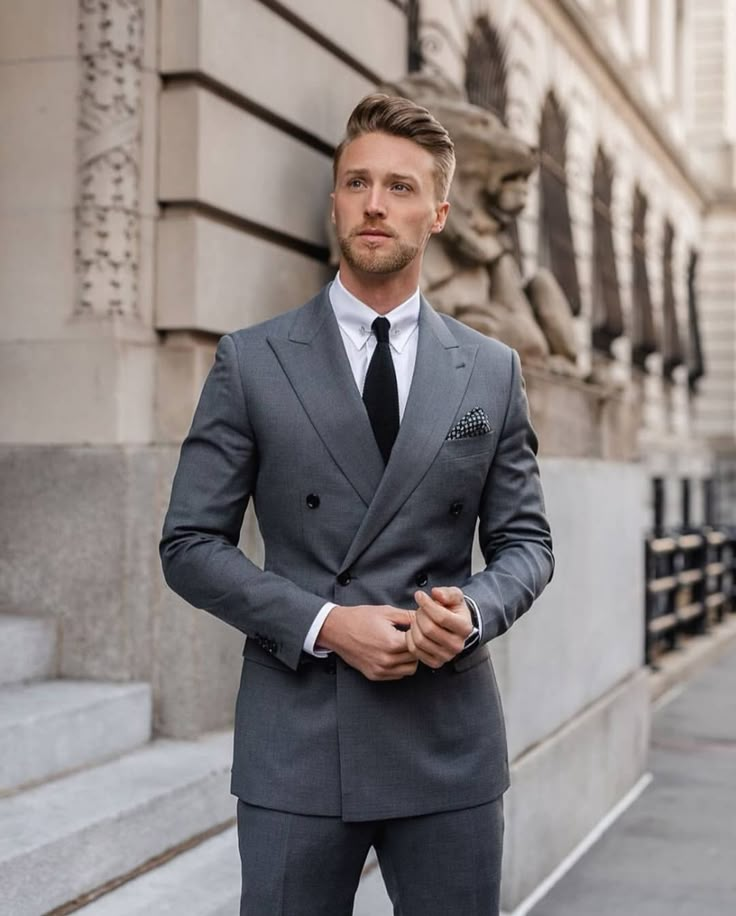
Average-to-tall, athletic-to-average build: the easiest fit. On this frame, the jacket’s mid-palm hem length lands right where it’s designed to — long enough to show drape, short enough not to visually cut the leg line.
Shorter builds (under 5’8″): not off-limits, but needs adjustment — a tailor should shorten the jacket length by roughly half an inch to an inch below the standard mid-palm rule. Left at full length, the extra fabric that reads as “drapey” on a taller frame starts to visually swallow a shorter one. Keep the trouser break minimal too, not a full break, so the leg line stays intact.
Broader/larger builds: genuinely flattering — the soft shoulder avoids the bulk that structured padding adds and the drape skims rather than clings.
Very slim builds: the biggest risk category. Without structure, an oversized relaxed cut on a narrow frame doesn’t read as intentional — it reads as ill-fitting. The tell is the shoulder seam: if it visibly droops past your actual shoulder point, the jacket is too big, no matter how “relaxed” the label says it’s supposed to be. Slimmer men should size down one size from what feels naturally roomy and let a tailor take in the waist slightly.
Choosing Fabric by Season and Climate
This is the section most guides skip entirely and it’s where buyers actually go wrong.
Flannel and high-twist wool (240–320 gsm) — the weight range most made-to-measure tailors work within for relaxed jackets. Best for cooler months, holds drape without being heavy, the most forgiving fabric for a first relaxed DB.
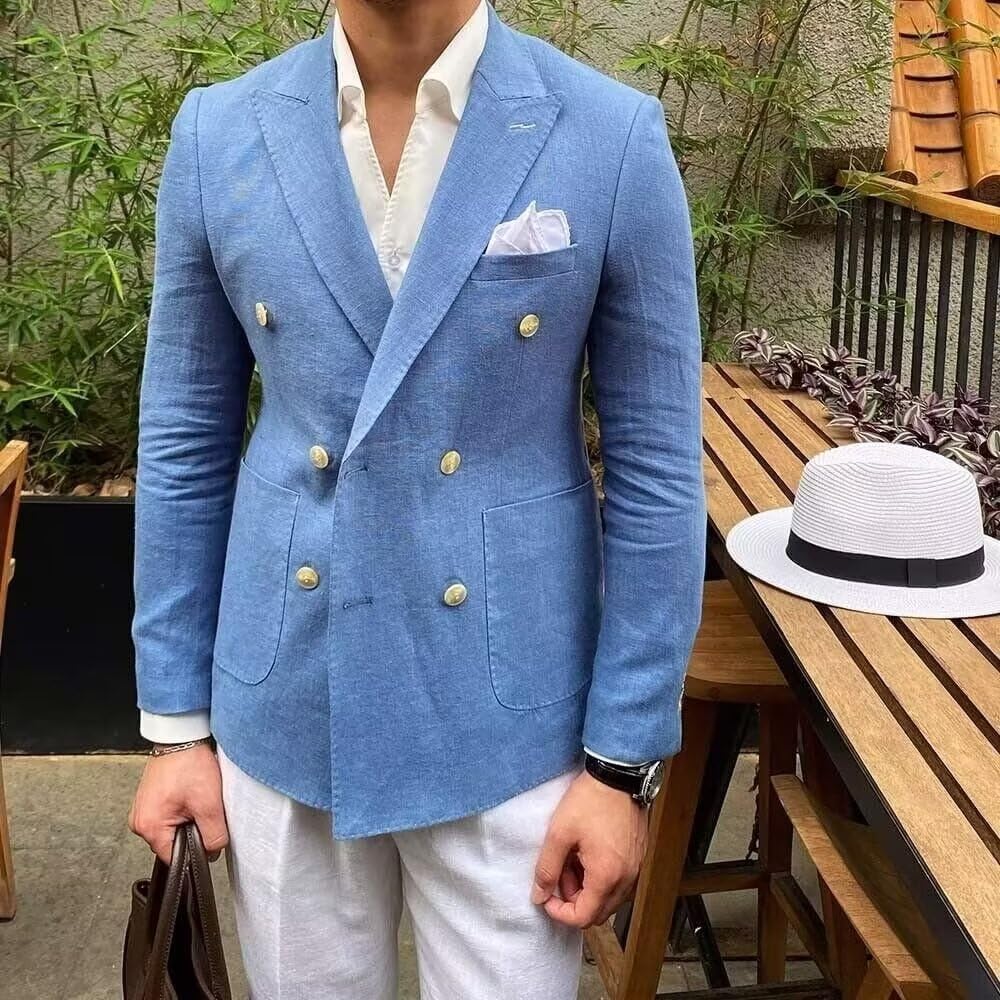
Wool-linen blends (60/40 or 55/45 wool-linen) — the right call for humid or hot climates. Pure linen DB jackets wrinkle too aggressively for a tailored silhouette to hold up through a full day; the wool content keeps enough structure that the jacket doesn’t collapse by noon.
Tropical wool / fresco weave — the most underused option. Open-weave, breathable, holds a crisp line even in heat — worth seeking out specifically if you live somewhere genuinely hot, since flannel will be unwearable most of the year.
Fabric weight, not color, is the real decision that determines whether this jacket gets worn twelve times a year or twice.
Best Colors for a Relaxed Double Breasted Suit
| Color | Vibe | Goes Perfectly With |
| Tobacco / Camel | Effortless cool | White tee + loafers |
| Chocolate Brown | New evening black | Cream roll-neck |
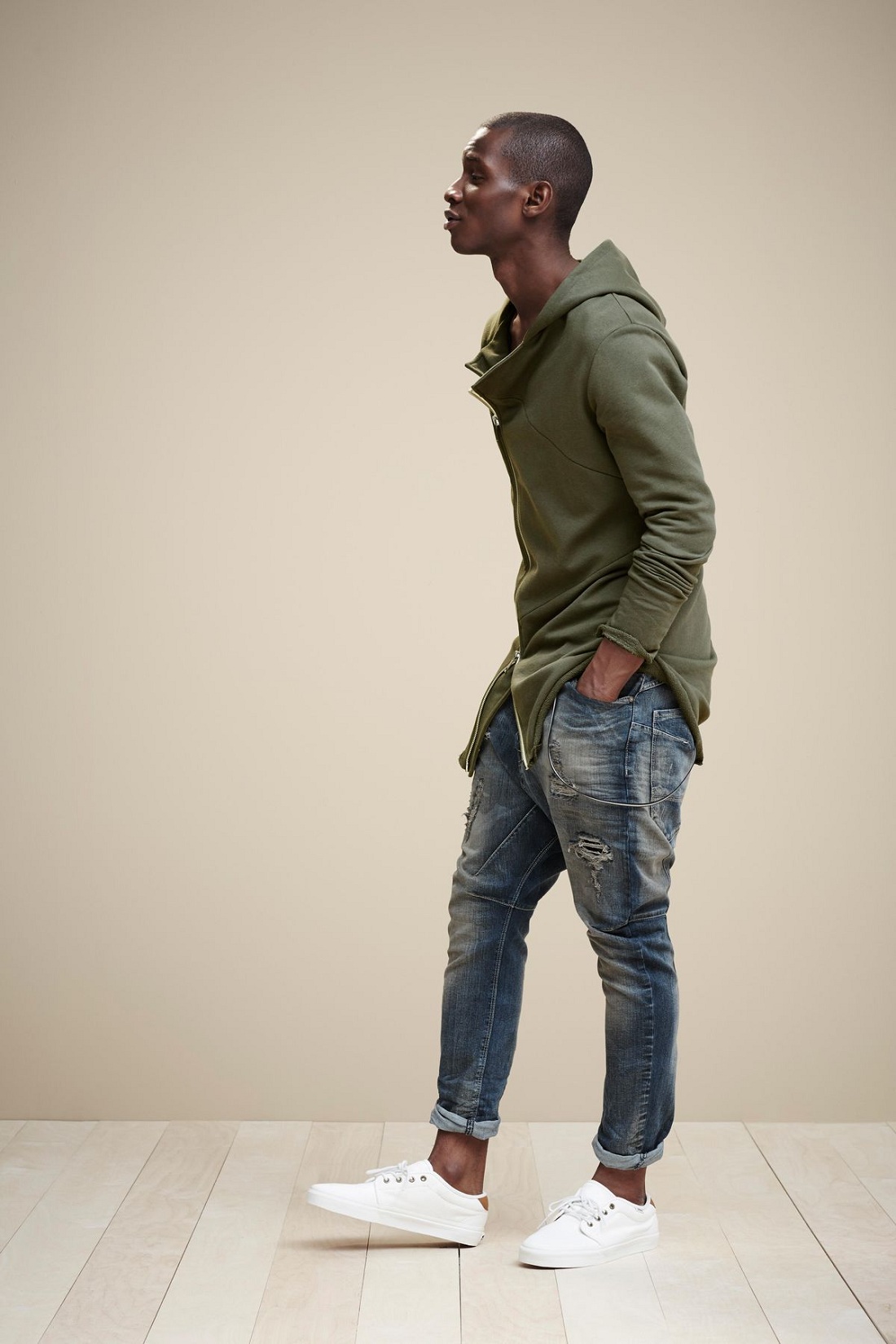
| Mid-Grey Flannel | Weekend-friendly | Hoodie + sneakers |
| Olive | Unexpected flex | Tan suede boots |
| Cream / Off-White | Bold but easy | Navy knit + white sneakers |
Color choice decides your best shirt colors underneath. Tobacco and olive pull warm — pair best with off-white or cream shirting, since anything stark white can look clinical against warm tones. Grey flannel and chocolate run cool, which is where you have the most room to experiment with pattern without clashing.
Styling Formulas by Occasion
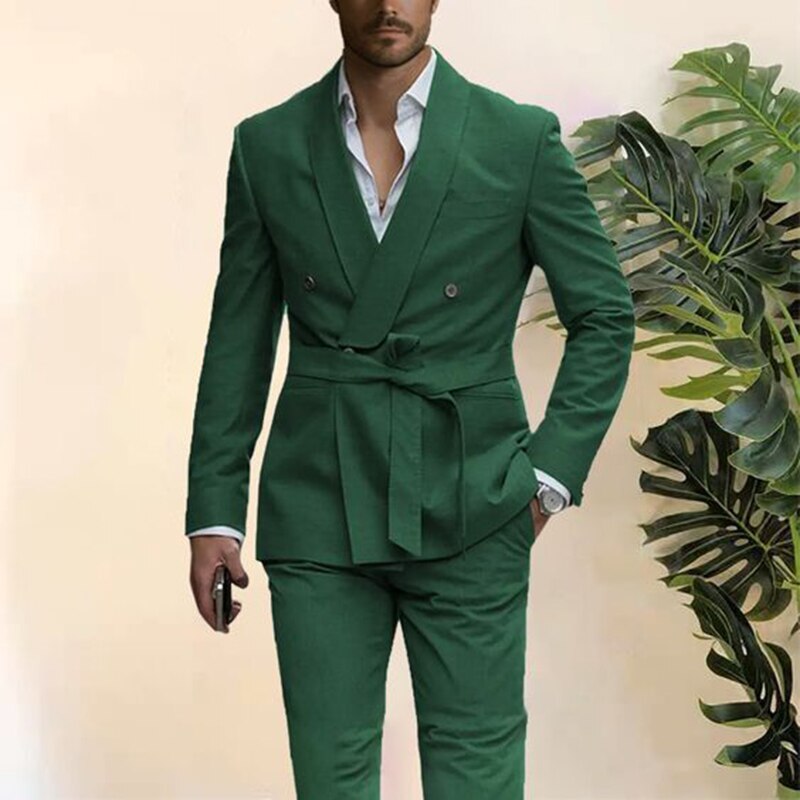
Office / smart-casual workday: Chocolate or grey flannel DB, worn buttoned, over a white shirt, no tie, pleated trousers in a matching or contrasting neutral, leather loafers.
Weekend / off-duty: Tobacco DB worn open, plain white tee underneath, cream chinos or linen trousers, suede loafers with no socks.
Date night: Chocolate or olive DB, cream mock-neck or soft-collar knit instead of a shirt, clean men’s casual boots — this is the combination that photographs best.
Wedding guest / semi-formal: Cream or mid-grey DB, white shirt with an open collar or soft tie, dress pants with a clean break, old money shoes — plain-toe derbies or penny loafers.
Across all four, types of shirts worn underneath is what shifts the formality up or down more than anything else — swap a dress shirt for a knit and the exact same jacket moves from wedding-guest to weekend.
Double Breasted Button Configurations Explained
This is the one thing most relaxed-DB guides skip and it changes how the jacket actually behaves — not just how it looks.
6×2 — the classic configuration: six buttons total, two functional. This is what most relaxed DBs on the market currently use, because the wider button spacing suits a longer, drapier jacket. It’s the configuration you’ll see most often if you’re shopping off-the-rack right now and the safest choice for a first relaxed DB.
4×2 — four buttons, two functional, set closer together. Reads slightly more modern and minimal than 6×2, with a cleaner visual line. Works especially well on shorter torsos, since the tighter button spacing doesn’t eat up as much vertical space.
4×1 — four buttons, only one functional, set low. This is the most casual configuration and the one most associated with the “relaxed” movement specifically — the single low button is what creates that long, open lapel line the whole trend is built around. It’s harder to find off-the-rack than 6×2, but it’s where the trend fully delivers on its promise if you can find it or have one made.
The rule stays the same across all three: whatever the top functional button is, that’s the only one you fasten standing. Everything below stays open.
Where Most Guys Get This Wrong
- Pairing it with a slim, structured shirt. A stiff, heavily-fused dress shirt fights the whole point of a relaxed jacket. The shirt underneath should be soft-collared or unstructured too — otherwise the outfit looks like two different decades collided.
- Ignoring trouser proportion. A relaxed DB jacket with slim, tapered trousers looks top-heavy and unbalanced. Trouser styles with some volume — pleated, wide-leg or straight with a proper break — are what the silhouette is actually built around.
- Buying based on chest size alone. Because the fit relies on drape and length, not just chest measurement, a jacket that “fits” in the chest can still be completely wrong in shoulder width or jacket length. Try it on, don’t just size up from your usual number.
- Skipping the tailor after buying off-the-rack. Even a good relaxed DB is cut for an average build. The one alteration worth paying for every time: a shoulder check. If the seam doesn’t sit exactly on your shoulder point, no other adjustment fixes the silhouette.
Care and Longevity
Half or full-canvas construction holds its shape far longer than fused, but only with proper care: hang on a broad wooden hanger (never wire — it distorts the shoulder line), dry clean sparingly since over-cleaning breaks down wool fiber and canvas glue faster than wear does and steam rather than iron directly to preserve the drape you paid for.
Frequently Asked Questions
Is a double breasted suit still in style in 2025?
Yes and more relevant now than the traditional structured version. The relaxed silhouette is what’s driving the current resurgence — softer canvas, longer drape and lower button stances solved the “dated” problem the boxy 80s version had.
Do you button both buttons on a double breasted jacket?
No. On a 6×2 stance, only the top button fastens while standing. The bottom stays open — a construction rule, not a style choice.
What’s the difference between a relaxed and structured double breasted suit?
Construction, primarily. A structured DB uses heavier canvas and shoulder padding for a built, formal silhouette. A relaxed DB uses lighter or half-canvas construction, which lets the jacket drape and move with the body instead of holding an independent shape.
Can you wear a double breasted suit casually?
Yes — that’s the entire premise of the relaxed cut. Drop the tie, open the jacket, swap in a knit instead of a dress shirt and it moves from formalwear into genuine smart casual outfit territory.
What shoes go with a relaxed double breasted suit?
Suede loafers for daytime and warmer weather, clean leather boots for evening. Sneakers work too — stick to minimal white leather styles, since anything chunky fights the jacket’s drape.
The Bottom Line on Wearing It Right
A relaxed double breasted suit only works when the “relaxed” part comes from construction and fit — not from buying loose and hoping it reads as intentional. Half or full canvas, the right fabric for your climate, a jacket length that matches your height and a button configuration that matches how casual you want the final look — get those right and color becomes the easy decision.
This is a suit meant to be worn often, not saved for one event a year. Fit it properly and it earns its place as the hardest-working jacket in your wardrobe.
Which color are you picking up first — tobacco, chocolate or grey? Let me know in the comments!
Deepak Bhandari has spent 10 years in personal styling, helping men dress with more confidence and less guesswork. He’s the founder of Deepu Fashion, where he writes about style, grooming and everyday outfit ideas that actually work in real life. Follow him on Instagram for daily style tips and inspiration.