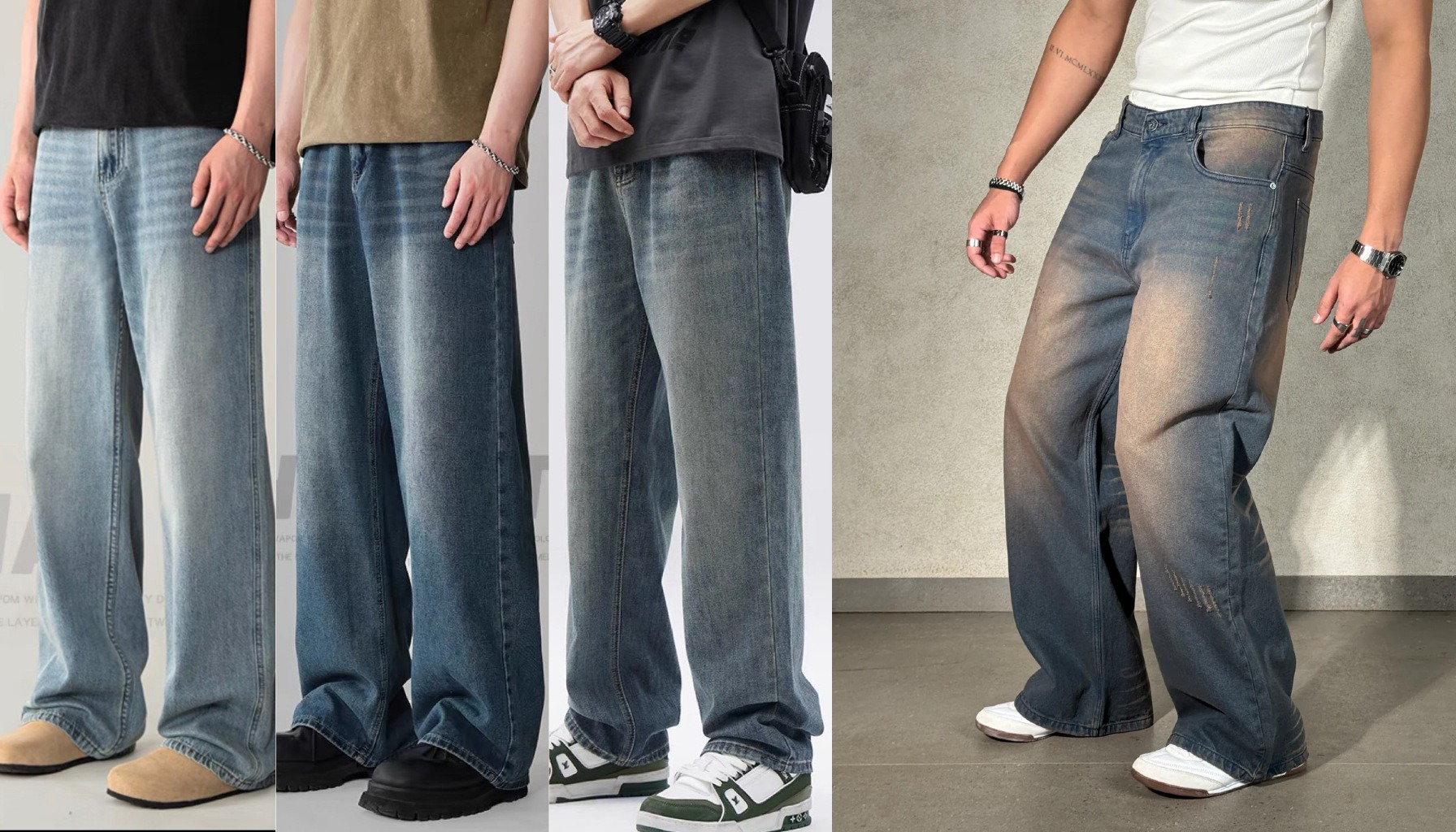
Baggy jeans have a reputation problem left over from 2003. Most men still dress around that memory instead of what the style actually looks like now. Back then, baggy meant shapeless. Today it means something closer to relaxed and deliberate, cut with enough structure to read as a choice rather than an accident. The jeans didn’t really change that much. What changed is everyone finally figured out the one rule that makes them work.
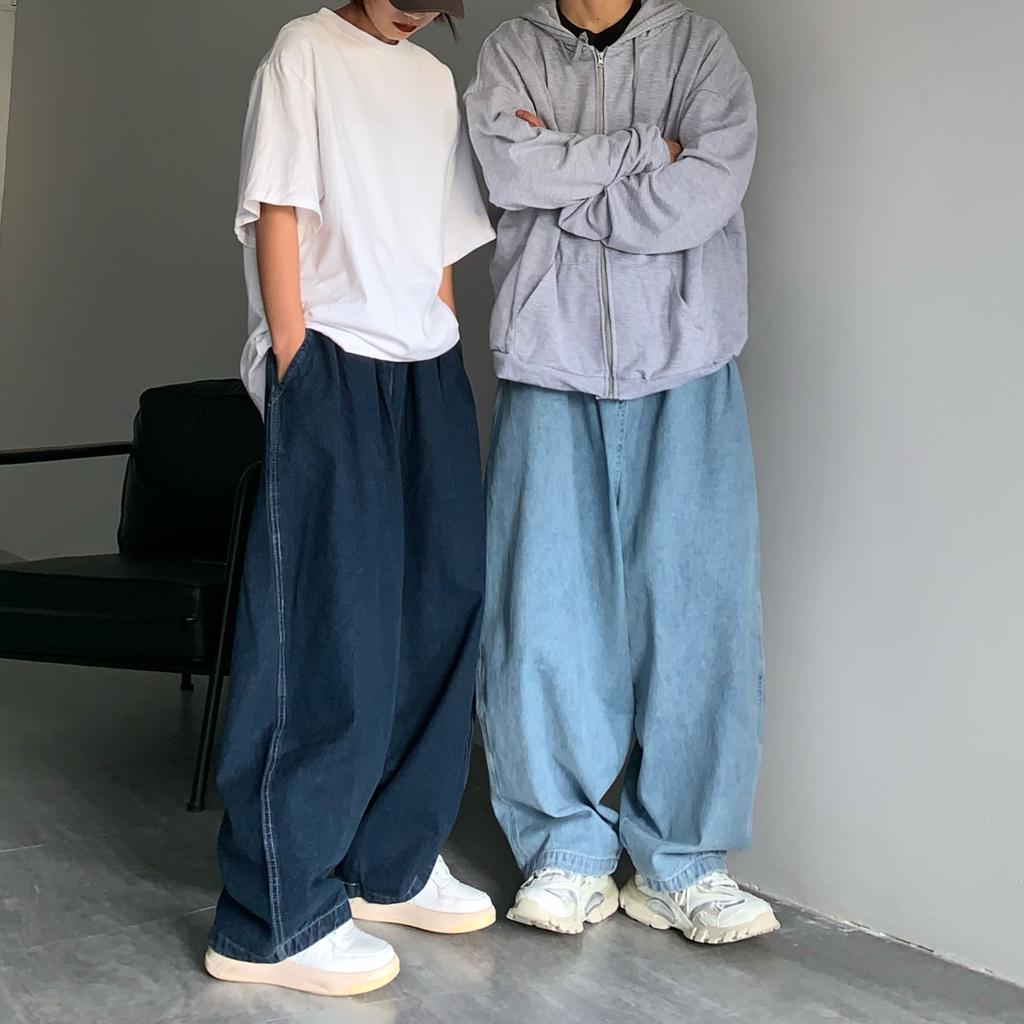
That rule is proportion, not fit. A pair of baggy jeans can be the correct size and still look sloppy. It happens when everything worn above them fights the same volume. The entire style lives or dies on the balance between top and bottom, not on getting a single measurement right.
Quick answer: To style baggy jeans for men, pair the loose leg with a fitted top — a t-shirts, tucked shirt or structured polo — then ground the look with chunky sneakers or boots for streetwear or loafers and Chelsea boots for smart casual. Keep the hem at a slight break, not dragging and let the jeans carry the volume while everything else stays controlled.
Here’s the real breakdown: why baggy jeans earned a bad name, how to actually balance an outfit around them, which fit suits which build and the shirt, shoe and jacket choices that keep the whole thing looking intentional instead of thrown on.
Why Baggy Jeans Got a Bad Reputation
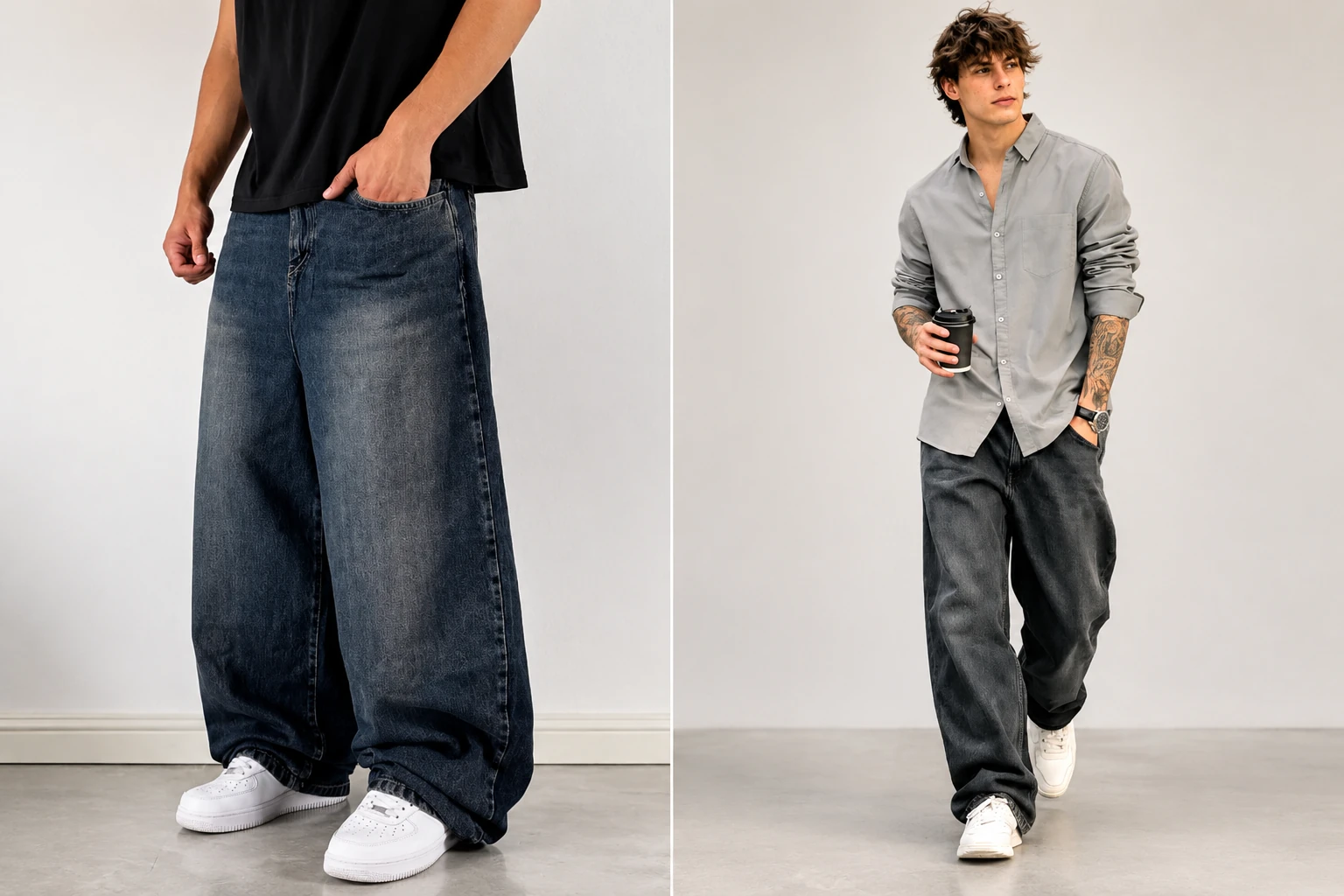
The 90s and early 2000s version of baggy denim had almost no structure. Fabric pooled everywhere. Waistbands sat low without anything to anchor them. The silhouette read as oversized rather than relaxed. That’s the image most men still associate with the word “baggy” and it’s fair — plenty of it genuinely looked careless.
Modern baggy jeans for men fix that with cleaner construction. Waist height stays at a normal rise instead of dropping low. Ankle taper is more deliberate and the fabric tends to be heavier denim that holds its shape instead of collapsing. The volume is still there. It just has an actual shape now instead of none.
Baggy Jeans, Wide Leg and the Rest of the Family
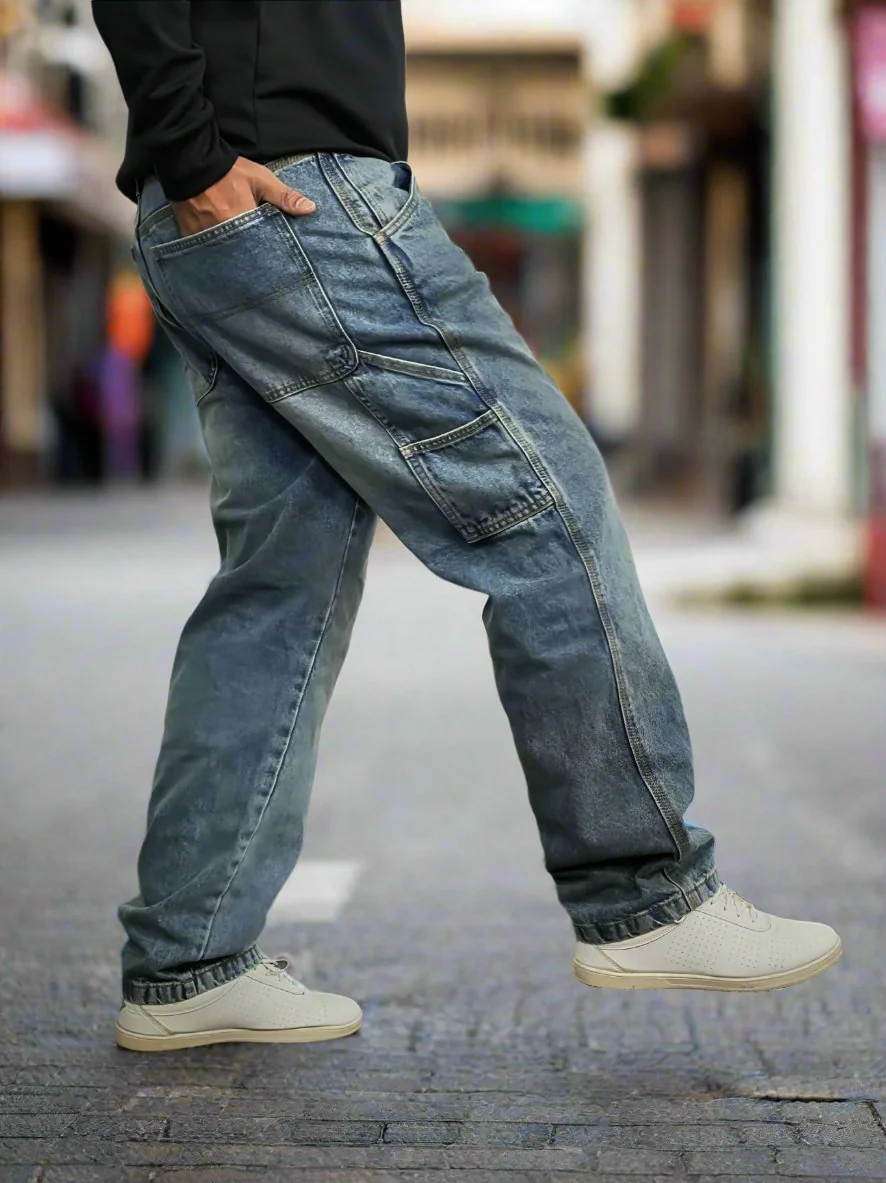
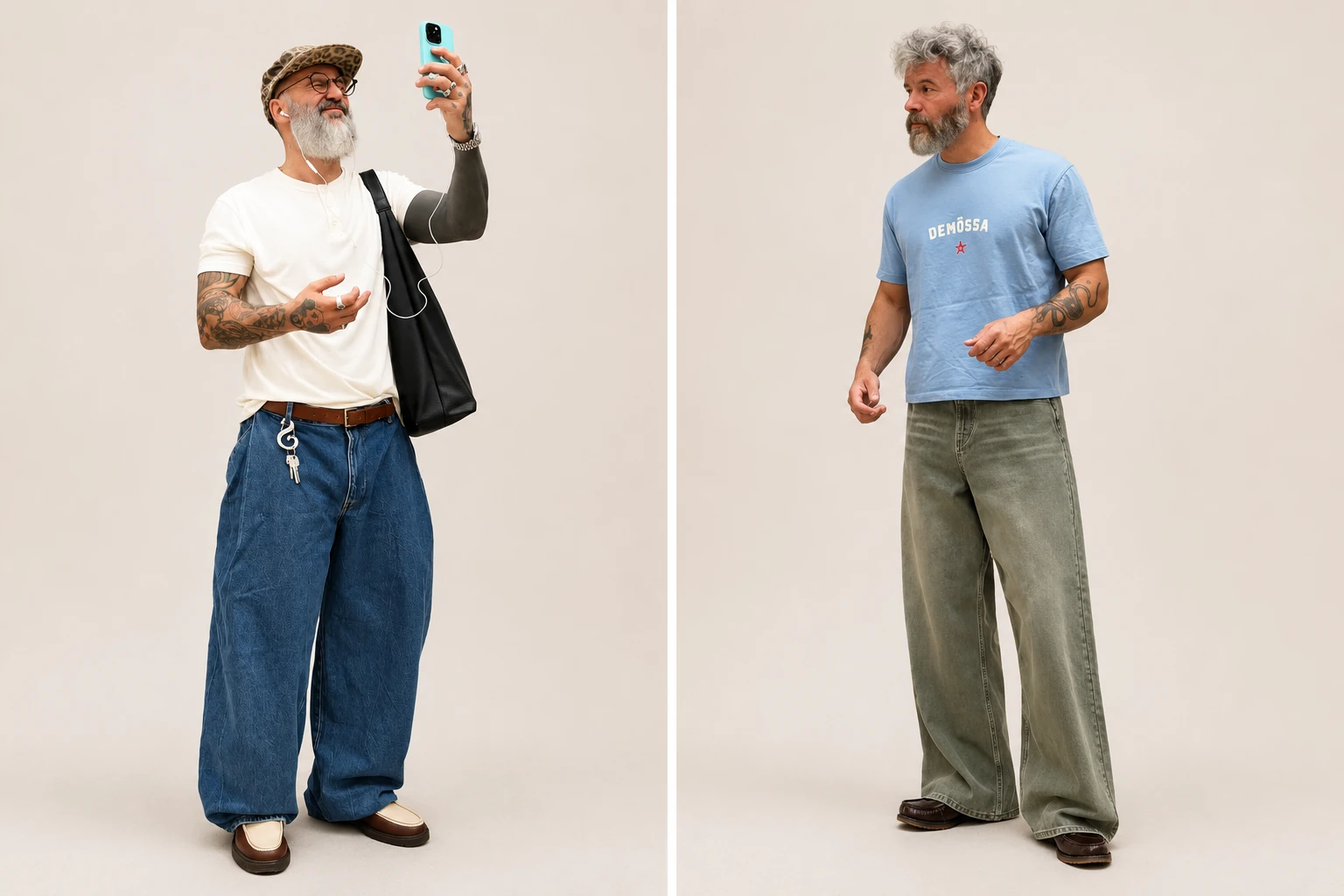
Not every loose pair counts as baggy, either. Relaxed fit jeans add a little room through the thigh without much extra volume elsewhere. Wide leg jeans stay consistent in width from hip to hem, a step further into the relaxed direction than baggy. Baggy jeans specifically carry noticeably more room through the thigh and leg while still tapering somewhat at the ankle — more volume than relaxed fit, more shape than a full wide leg cut.
Y2K inspired baggy denim and hip hop style jeans lean into the widest, most exaggerated version of the cut, often in a lighter vintage wash. That’s closer to the streetwear end of the spectrum. Korean streetwear styling tends to go the opposite direction — a straighter, cleaner baggy leg paired with minimal, monochrome tops. Both are valid entry points into the style. They just sit at different ends of how much volume a man actually wants to wear.
Streetwear, Smart Casual and Everywhere Between
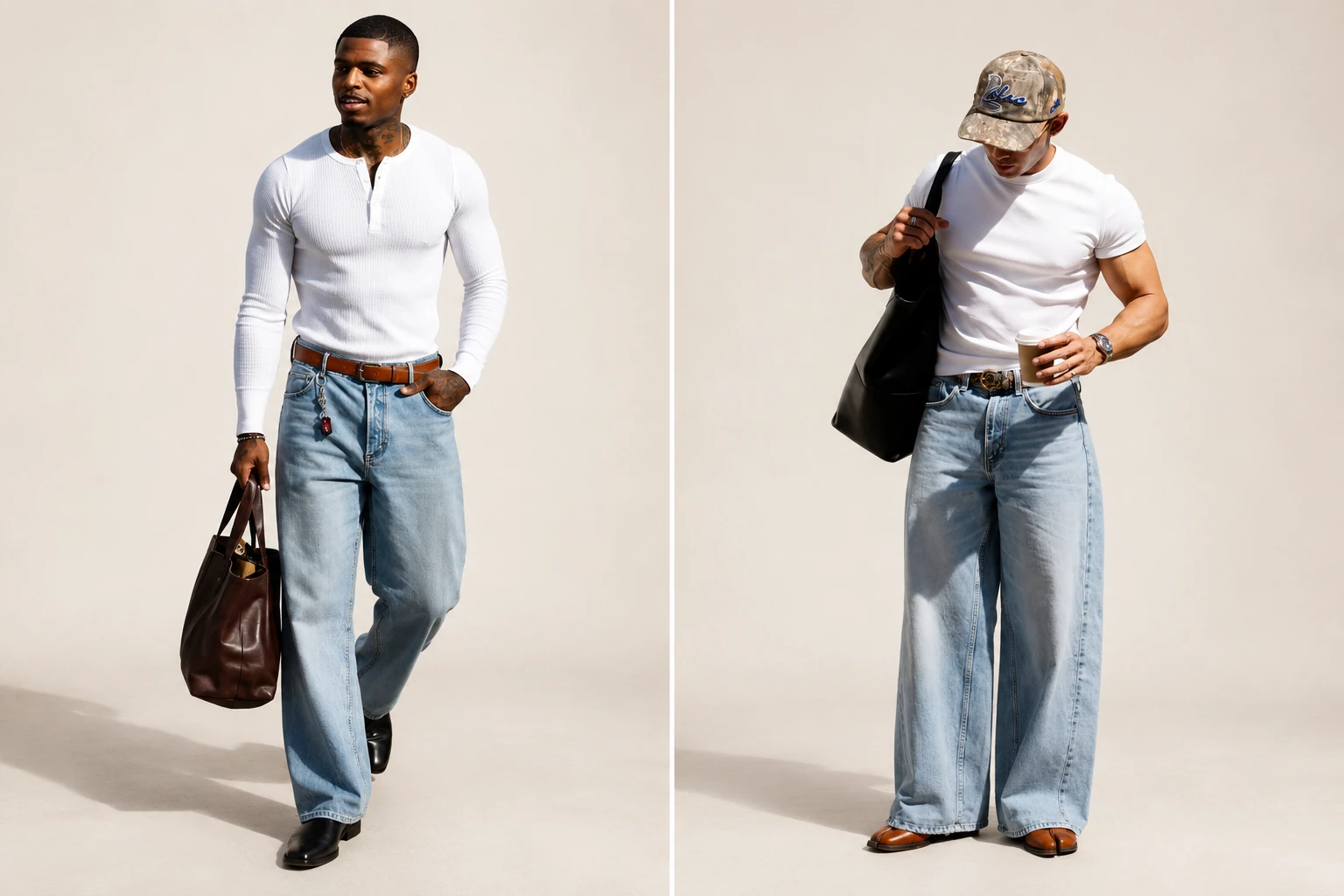
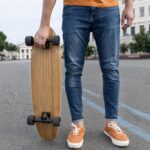
Streetwear is still the natural home for this cut. A graphic tee or a plain oversized tee with baggy jeans and chunky retro sneakers is the easiest version to get right. It’s forgiving of small proportion mistakes because the whole look is meant to read as relaxed. A hoodie with baggy jeans is one of the most reliable cold weather combinations in this category. Oversized on top still balances out once heavier footwear grounds the silhouette, as long as the hem length stays in check.
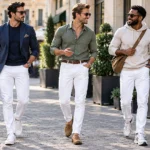
Smart casual is where the style gets more interesting and it’s the gap most guides skip entirely. A well fitted button down or a structured polo, tucked or half tucked, tightens the top half enough that baggy jeans read as a deliberate silhouette rather than a streetwear statement. Add a clean pair of minimal leather sneakers or loafers and the same jeans that worked for a skate park work for a casual dinner too. This is close to how a good smart casual outfit gets built generally — fitted where it counts, relaxed where it doesn’t.
Double denim is worth trying at least once. A denim jacket over a plain tee, paired with a different wash of baggy jeans, works best when the two washes contrast rather than match. A lighter jacket over darker jeans or the reverse, keeps the outfit from reading as one flat block of denim.
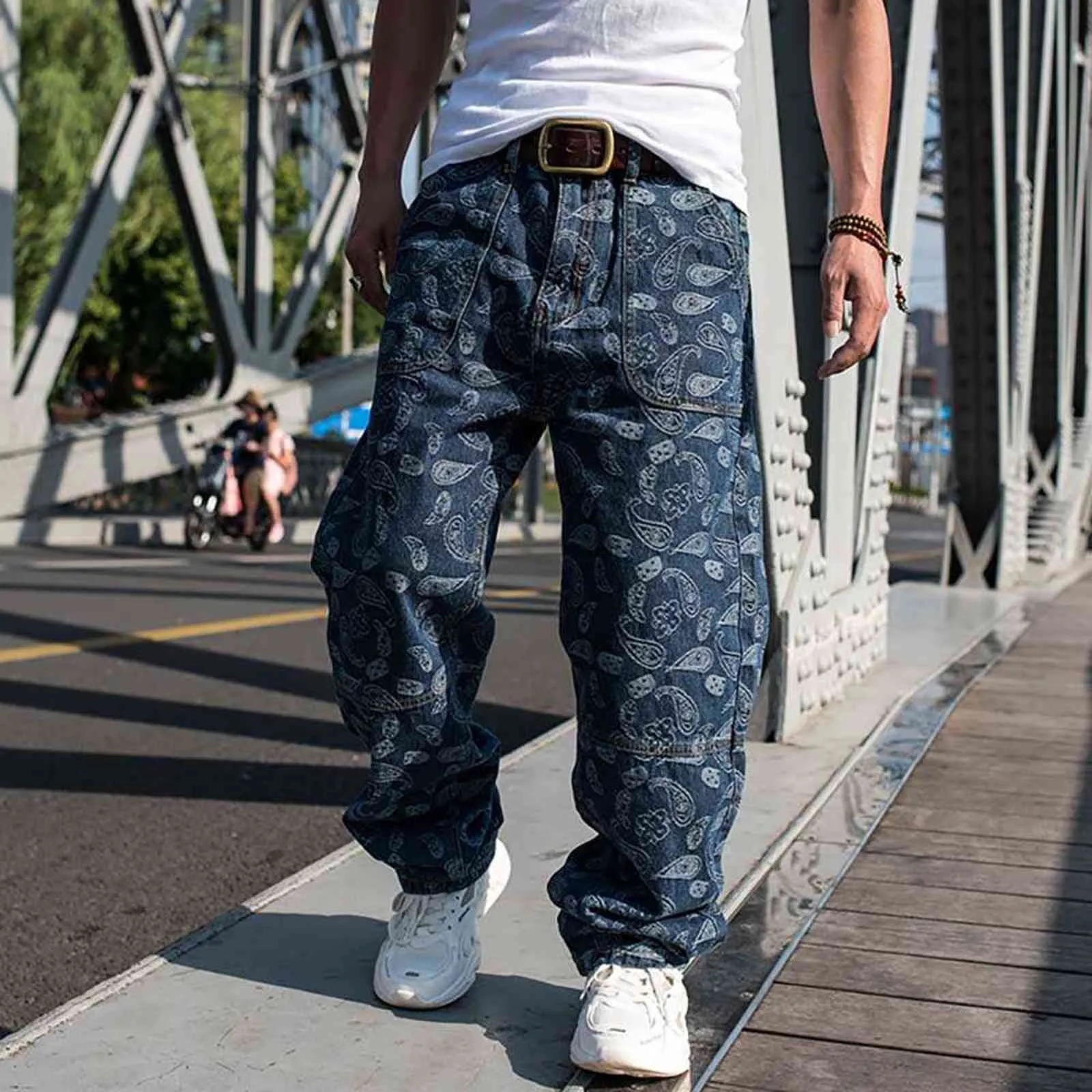
Cargo styling deserves its own note, since it’s the version most likely to look bulky if handled carelessly. Darker cargo washes with simple, flat pockets keep the leg looking sharp rather than cluttered. Anything with oversized pocket flaps or heavy hardware adds visual weight exactly where the outfit already has plenty. Pair cargo style baggy jeans with a fitted t-shirt and clean footwear, not another loose layer on top.
The One Rule Every Outfit Comes Down To
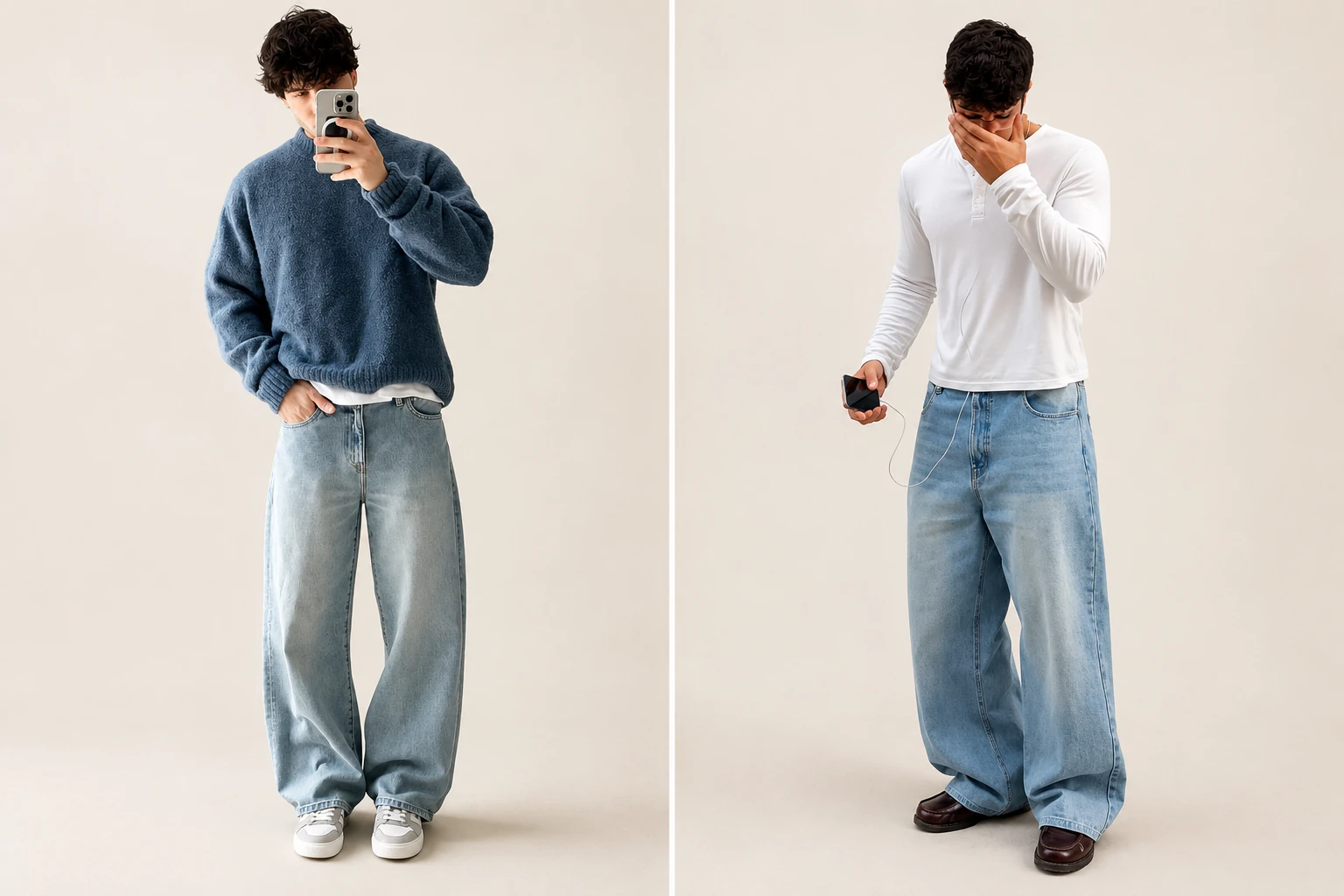
This is the part almost no guide explains properly. Baggy jeans add visible volume to the lower half of an outfit. If the top half adds volume too, the whole silhouette turns shapeless — exactly the 2003 problem resurfacing. The fix is balance. Let one half of the outfit stay fitted while the other carries the volume.
A neck fitted plain tee, a clean polo or a button down cuban collar shirt with the sleeves rolled gives the shoulders and chest a defined shape. That lets the jeans carry all the visual weight below. An oversized tee or hoodie can still work, but only if the length stays controlled. A half tuck at the front keeps the waist visible and stops the outfit from reading as one shapeless block from neck to ankle.
The same logic decides which shoes work. Chunky sneakers or heavier boots give the outfit a solid base and match the volume up top. Slim leather sneakers or loafers work when the goal is a cleaner, smarter overall look. What almost never works is a flat, thin soled shoe under genuinely wide jeans. It disappears under the fabric and leaves the silhouette looking bottom heavy with nothing to ground it.
Which Cut Suits Your Build
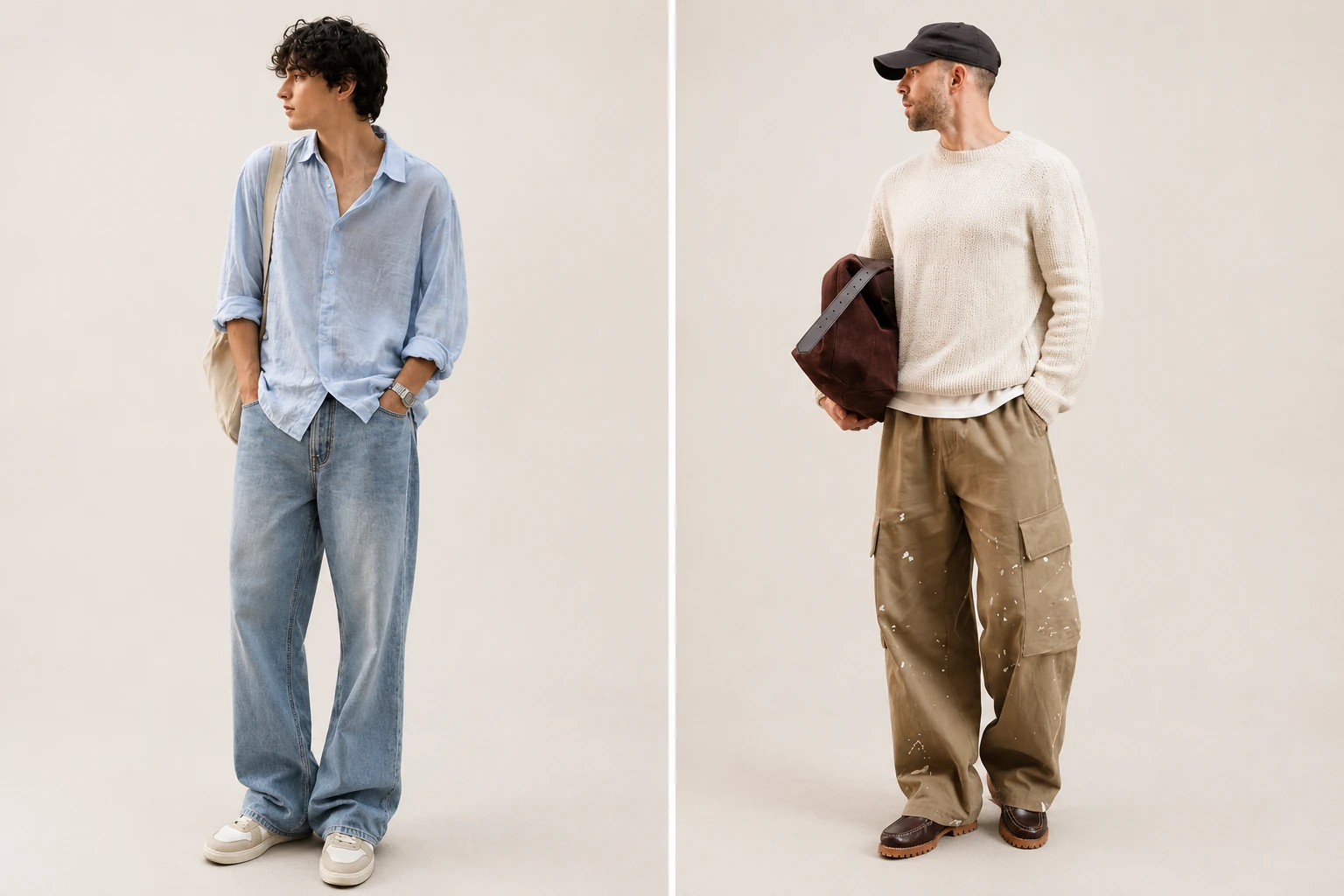
Baggy denim doesn’t flatter every build the same way. This is where most men either commit to the style properly or quietly avoid it.
Taller men can carry a fuller silhouette with the least effort. There’s simply more height to balance the added volume. A true baggy cut with structured fabric holds its shape well without overwhelming the frame. Shorter men usually do better in a more relaxed fit with a slight taper near the ankle. A full baggy leg can visually shorten the frame if too much extra fabric pools at the hem. Broader builds benefit from firmer fabrics — heavy cotton twill or stiff selvedge denim holds structure better than a soft, thin wash and keeps the silhouette from reading as bulky. Slimmer builds can lean into softer drapes and a bit more volume, since there’s less risk of the outfit reading as oversized on a narrower frame.
None of this means avoiding the style based on build. It’s about picking the right variation — relaxed, baggy or wide leg — rather than assuming one cut fits every body the same way.
Shirts, Shoes and Layers Worth Building Around
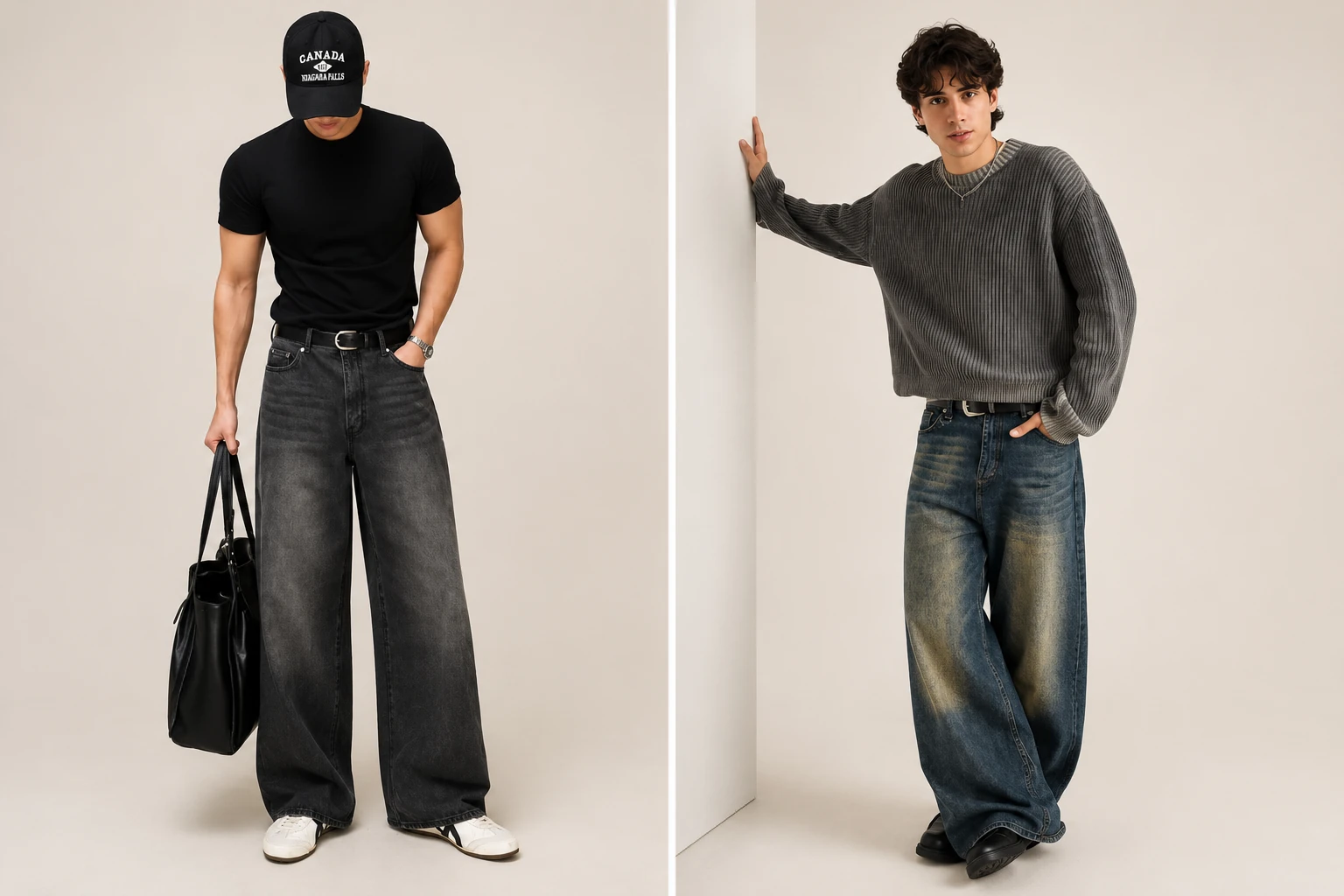
Vintage fitted tees, half sleeve shirts and fresh clean polos are the most reliable tops for this cut. They define the shoulders and chest without competing for space. A crisp white shirt with the sleeves rolled works particularly well when the goal is smart casual rather than pure streetwear.
Footwear decides the register of the whole outfit more than any other single choice. Low top sneakers keep things modern and easy. Chunky retro runners push the look toward full streetwear. Leather loafers or slim Chelsea boots sharpen the same jeans into something considerably more put together, without changing anything else about the outfit.
Outerwear matters most in colder months. A fleece jacket, an overshirt or a denim layer adds structure on top without adding shapeless volume. A cropped or slightly structured jacket works better here than anything long and loose, which would undo the top bottom balance the whole outfit depends on.
Where This Goes Wrong
Length is the most common failure point. A hem that drags on the floor doesn’t read as relaxed — it reads as ill fitting. A slight break or a clean stack at the ankle is the difference between intentional and careless.
Loud prints on the jeans themselves are the second mistake. Baggy denim already carries enough visual weight without competing patterns fighting for attention.
Jumping straight into the widest, most extreme cut is the third mistake. A moderate grey mens baggy pants fit is a much safer starting point than going straight to something closer to a wide leg cut on the first attempt.
Quick rules to keep in mind:
- Keep the top fitted if the jeans are wide
- Ground the outfit with nike chunky sneakers or boots, not thin soles
- Let the hem hit a slight break, never drag on the floor
- Start with moderate baggy before trying wide leg or extra wide cuts
- Match washes deliberately if layering denim on denim
Baggy Jeans vs. Everything Else in the Denim Drawer
Baggy jeans vs skinny jeans is really a question of era. Skinny reads tighter and more controlled everywhere. Baggy reads looser and needs the top half to compensate.
Baggy jeans vs relaxed fit comes down to how much extra room actually shows through the thigh and leg. Relaxed fit is the more forgiving, subtler version of the same idea, while true baggy commits harder to the silhouette. Neither is objectively better. The right one depends on how much volume a man actually wants to carry below the waist.
The Denim Weight Nobody Checks
Heavier denim holds a baggy silhouette better than a lightweight wash. A stiffer 12-14 oz denim keeps its shape through the day. A soft, worn in wash tends to collapse and pool at the ankle faster. That’s part of why some baggy jeans look sharp fresh out of the store and sloppy within a few wears. The fabric simply can’t hold the cut once it softens too much.
Dark and mid tone washes read cleaner for smart casual styling. Heavy distressing, faded whiskering or exaggerated fading pushes the jeans further into pure streetwear territory, which isn’t wrong, just worth knowing before building an outfit around a specific look.
Washing and Storage
Wash baggy jeans inside out and in cold water to protect the color and the wash finish. Skip the dryer’s high heat when possible — heavier denim shrinks unevenly if it’s dried too aggressively and that changes the drape the whole style depends on. Hang rather than fold for longer term storage, since folding can crease the fabric in places that fight the leg’s natural line.
Frequently Asked Questions
Are baggy jeans still in style?
Yes. Relaxed and oversized silhouettes remain one of the dominant denim trends, driven by streetwear and a broader shift away from skinny fits.
What shirts work best with baggy jeans?
Fitted tees, clean polos and button downs with the sleeves rolled. Anything that keeps the top half controlled while the jeans carry the volume.
What shoes go with baggy jeans?
Chunky sneakers or casual boots for a streetwear look. Slim leather sneakers or loafers for something closer to smart casual.
Do baggy jeans suit every body type?
Most builds can wear some version of the style. Taller and slimmer frames handle a true baggy cut more easily, while shorter or broader builds often do better in relaxed fit with a slight taper.
The Rest of the Denim Drawer
Baggy jeans are one option in a much wider range of trouser silhouettes. Knowing when to reach for them instead of chinos, dress pants or something more tailored comes down to the occasion as much as personal taste. The full breakdown of how every trouser style fits into a modern wardrobe is in the guide to trouser styles for men.
None of this is complicated once you’ve done it a couple of times. Get the proportion right and the rest of the outfit takes care of itself.

Deepak Bhandari has spent 10 years in personal styling, helping men dress with more confidence and less guesswork. He’s the founder of Deepu Fashion, where he writes about style, grooming and everyday outfit ideas that actually work in real life. Follow him on Instagram for daily style tips and inspiration.